
Novartis Secures Chinese mRNA Therapy in $7.8B Deal Amid Pipeline Pressures
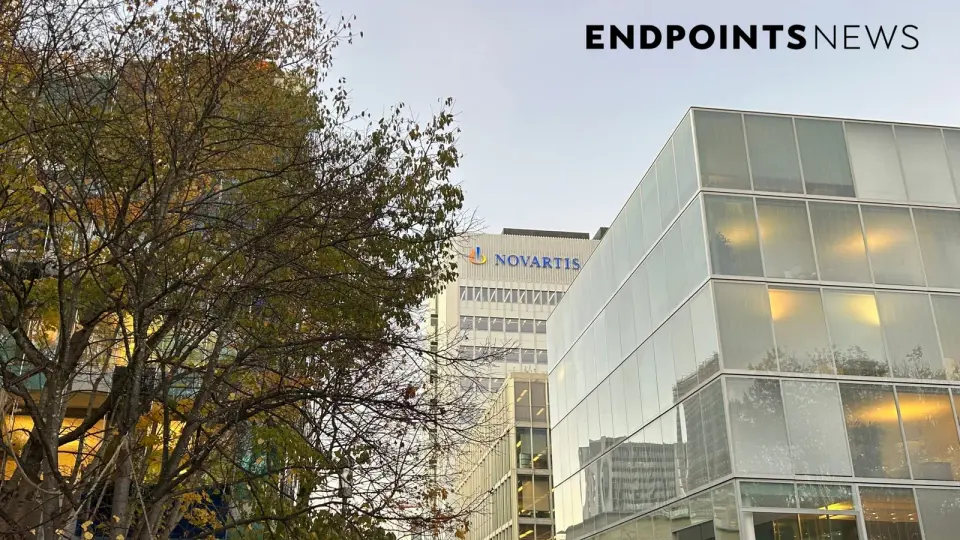
Novartis has agreed to pay up to $7.8 billion for exclusive worldwide rights to ABO2203, an early-stage mRNA-based T-cell engager developed by Chinese biotech Abogen Biosciences. The agreement includes a $575 million upfront payment and up to $7.2 billion in milestone payments. The therapy targets autoimmune diseases by depleting B cells using an in vivo approach that avoids traditional manufacturing complexities. This deal follows recent setbacks in Novartis’s own CAR-T programs and reflects a broader trend of Western pharmaceutical companies partnering with Chinese developers to secure future pipeline growth.
Key points
- Novartis will pay $575 million upfront and up to $7.2 billion in milestones for global rights to ABO2203.
- ABO2203 is a lipid nanoparticle-formulated mRNA that encodes a CD19xCD3 T-cell engager to deplete B cells.
- Early trials in immune thrombocytopenia patients showed complete B-cell depletion without cytokine release syndrome.
- The deal includes an exclusive option for Novartis to license other assets from Abogen’s RNA platform.
- This acquisition follows Novartis pausing an autoimmune CAR-T program after three patient deaths.
Background
Novartis faces significant pressure to replace expiring patents on top-selling drugs, with its shares dropping sharply in September 2026 following clinical trial setbacks. The company is actively seeking new pipeline assets to maintain growth. This deal aligns with a broader industry shift where Western pharma giants are increasingly licensing early-stage therapies from Chinese biotechs to accelerate development and reduce risk. Earlier coverage noted that Novartis had already paused its own autoimmune CAR-T program due to safety concerns, highlighting the urgency of finding alternative therapeutic approaches.
How outlets are covering it
Endpoints News focused on the financial structure of the deal, highlighting the $575 million upfront payment for exclusive worldwide rights. Fierce Biotech emphasized the scientific mechanism, noting that ABO2203’s in vivo production of T-cell engagers may offer safety advantages over traditional cell therapies, particularly in autoimmune settings. CNBC contextualized the deal within a surge of Western-Chinese biopharma partnerships, citing similar recent deals by Novo Nordisk and GSK, and noted that China is expected to account for a third of new global drug molecules by 2026. While all sources agree on the deal’s value and target, Fierce Biotech highlighted the specific clinical data from immune thrombocytopenia trials, whereas CNBC focused on the macroeconomic trend of Chinese biotech outlicensing.
Why it matters
This deal signals a strategic pivot by Novartis toward mRNA-based in vivo therapies to mitigate risks associated with traditional cell therapies. It underscores the growing importance of Chinese biotech innovation in the global pharmaceutical pipeline, as Western companies seek faster, cheaper early-stage development. The success of ABO2203 could establish a new standard for treating autoimmune diseases, potentially reducing the need for complex hospital-based procedures and premedication.
What to watch
Novartis will likely advance ABO2203 through further clinical trials, focusing on autoimmune indications. The company may exercise its option to license additional assets from Abogen’s RNA platform. Investors will watch for how this deal impacts Novartis’s pipeline stability and whether similar licensing trends continue among other major pharmaceutical companies.
- Novartis takes rights to Abogen’s mRNA T cell engager for $575M upfront Endpoints News
- Novartis strikes up to $7.8 billion mRNA deal with China's Abogen Reuters
- Novartis signs $7.8 billion drug deal with Chinese startup Axios
- Novartis pens $7.8B deal for Abogen's in vivo autoimmune T-cell engager Fierce Biotech
- Big Pharma’s China deal spree grows with latest tie-up worth up to $7.8 billion CNBC
Want the full story? Read the original reporting
Read on Endpoints News