
Silence Therapeutics reports 88% response rate for divesiran in polycythemia vera trial
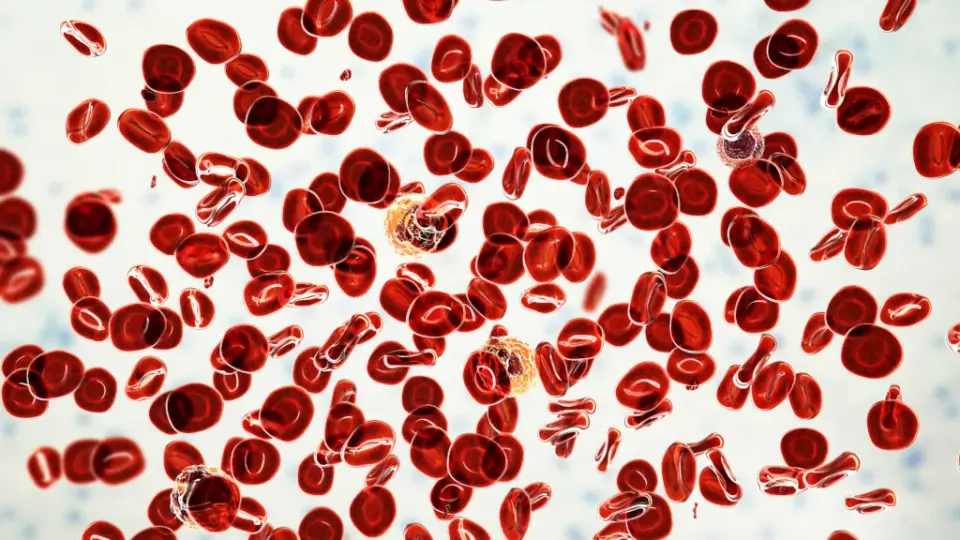
Silence Therapeutics announced that its RNA-based drug candidate, divesiran, met its primary endpoint in a Phase 2 trial for polycythemia vera, a rare blood cancer. In a 48-patient study, 88% of patients receiving the drug achieved a clinical response, compared to 19% on placebo. The therapy aims to reduce red blood cell production by silencing a specific liver protein. Silence plans to advance the drug to Phase 3, positioning it as a potential competitor to Takeda’s rusfertide, which is nearing FDA approval. The new data highlights a key differentiator: divesiran is designed for dosing every six to 12 weeks, whereas rusfertide requires weekly injections.
Key points
- In a 48-person Phase 2 trial, 88% of patients treated with divesiran achieved a clinical response, versus 19% for the placebo group.
- The drug works by silencing the TMPRSS6 protein in liver cells, which redirects iron delivery away from the bone marrow to slow red blood cell production.
- Silence Therapeutics plans to begin Phase 3 trials in the first half of 2027, using a 12-week dosing schedule.
- The primary competitor, rusfertide from Takeda and Protagonist Therapeutics, is expected to receive FDA approval in the third quarter of 2026.
- Divesiran showed a significantly lower phlebotomy rate (0.2) compared to placebo (2.1) and demonstrated improvements in iron markers and patient-reported outcomes.
Background
The oncology sector has seen significant consolidation in rare blood cancers, as evidenced by Ipsen’s $450 million acquisition of Kartos Therapeutics in June 2026 to bolster its portfolio. Silence Therapeutics, which held $70.1 million in cash as of March 2026, is entering a competitive landscape where Takeda recently paid $300 million to Protagonist for rusfertide. While other biotech firms like MoonLake are advancing nanobodies in autoimmune conditions, Silence is focusing on RNA interference (siRNA) to address the unmet needs of patients with polycythemia vera who currently rely on frequent blood draws.
How outlets are covering it
STAT and Fierce Biotech both emphasize the strong efficacy of divesiran, noting the 88% response rate as a major milestone. However, Fierce Biotech provides a more detailed comparison with rusfertide, highlighting the strategic advantage of Silence’s less frequent dosing regimen (every 12 weeks) versus rusfertide’s weekly injections. Endpoints News confirms the move to Phase 3 but offers less detail on the competitive landscape. All outlets agree that while Silence has achieved a clinical win, Takeda’s rusfertide has a head start in the approval process, creating a race to market for the first effective therapy for this rare condition.
Why it matters
The success of divesiran offers a potential alternative to the current standard of care, which involves painful and frequent blood draws (phlebotomy). If approved, a therapy requiring injections only every six to 12 weeks could significantly improve the quality of life for patients with polycythemia vera. The competition between Silence and Takeda will determine which approach—RNA silencing or hepcidin mimicry—becomes the preferred treatment for this rare but serious blood cancer.
What to watch
Silence Therapeutics will initiate Phase 3 trials in the first half of 2027. Takeda and Protagonist expect to receive FDA approval for rusfertide in the third quarter of 2026. Silence will need to demonstrate that its dosing convenience and efficacy can overcome rusfertide’s earlier market entry.
- Silence Therapeutics aims at Takeda with new data in rare blood cancer STAT
- Silence brings the noise to Takeda with phase 2 blood cancer win Fierce Biotech
- Silence spells out Phase 2 success for gene-silencing drug in rare blood cancer Endpoints News
- Divesiran Meets Primary Response End Point in Phlebotomy-Dependent Polycythemia Vera onclive.com
- Silence posts mid-stage polycythemia vera win, preps for Phase III FirstWord Pharma
Want the full story? Read the original reporting
Read on STAT