
AstraZeneca and Bristol Myers Squibb Weigh $400 Billion Merger Amid Antitrust and R&D Concerns
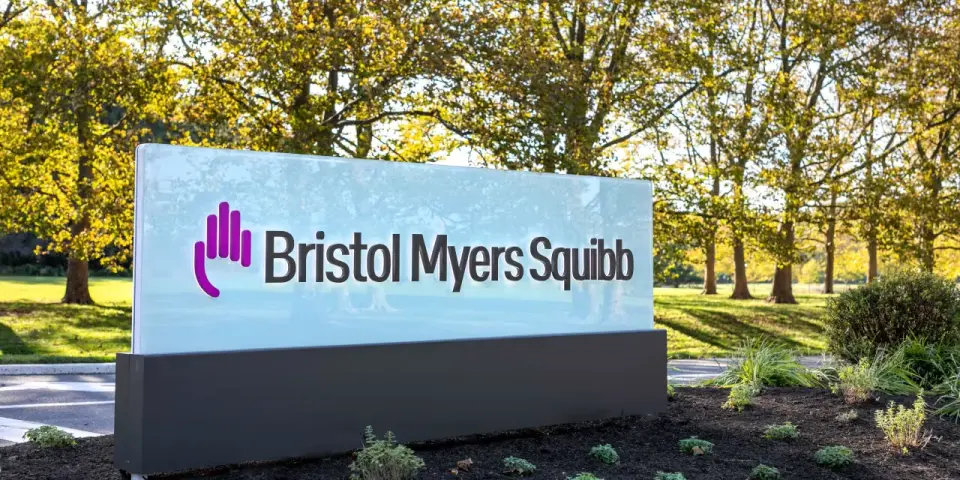
AstraZeneca and Bristol Myers Squibb are reportedly in talks for a merger valued at nearly $400 billion, which would create one of the world's largest pharmaceutical companies. While the deal could bolster oncology portfolios and U.S. presence, analysts warn of significant antitrust hurdles, potential R&D stagnation, and job cuts. Neither company has confirmed the discussions, and the outcome remains uncertain.
Key points
- Financial Times reports that AstraZeneca and Bristol Myers Squibb have held merger talks in recent months, potentially resulting in a deal valued at $400 billion.
- Bristol Myers Squibb shares jumped 4.3% to $68.12, while AstraZeneca ADRs fell 5.7% to $160.08, marking their worst session since April 2025.
- The combined entity would have approximately $115 billion in 2027 revenue, but faces antitrust scrutiny due to overlapping oncology products like Opdivo and Imfinzi.
- Analysts from UBS and Jefferies question the strategic rationale, citing potential R&D productivity stagnation and the availability of alternative growth strategies for AstraZeneca.
- Bristol Myers Squibb faces patent cliffs for key drugs like Eliquis and Opdivo, while AstraZeneca aims to reach an $80 billion revenue target by 2030.
Background
This potential merger follows a trend of large pharmaceutical acquisitions in the late 2010s, such as AbbVie's acquisition of Allergan and Bristol Myers Squibb's purchase of Celgene. AstraZeneca recently pursued a direct U.S. listing to capitalize on higher valuations, while Bristol Myers Squibb has been actively acquiring smaller companies to expand its cancer treatment portfolio.
How outlets are covering it
Barron's and CNBC highlight the market reaction and the scale of the potential deal, noting it would be one of the largest in history. The Financial Times provides detailed analysis on the strategic rationale, including U.S. expansion and cost synergies, while also noting the uncertainty of the talks. Fierce Pharma strongly opposes the merger, arguing it would lead to job cuts, R&D disruptions, and antitrust nightmares, suggesting that both companies could achieve their goals through smaller, targeted acquisitions. UBS analyst Matthew Weston questions the deal's impact on R&D productivity, while Jefferies analysts express skepticism about the strategic benefits for AstraZeneca shareholders.
Why it matters
The potential merger would significantly reshape the global pharmaceutical landscape, creating a dominant player in oncology and other therapeutic areas. However, the deal faces substantial regulatory and strategic challenges that could delay or prevent its completion, impacting investor confidence and industry consolidation trends.
What to watch
Investors will monitor for any official announcements from AstraZeneca or Bristol Myers Squibb, as well as regulatory developments from the Federal Trade Commission and other bodies. The outcome of the talks will likely be influenced by upcoming trial results and market reactions, with potential updates expected before the Q3 2026 results in late October.
- Bristol Myers Squibb Stock Jumps on Report of $400 Billion Merger Talks With Big Rival Barron's
- AstraZeneca investors balk at $400 billion Bristol Myers tie-up reports Reuters
- Struggling to make sense of AstraZeneca-BMS Financial Times
- Editor’s Corner: Why an AstraZeneca-Bristol Myers Squibb merger is a bad idea Fierce Pharma
- AstraZeneca in talks with Bristol Myers Squibb on $400 billion megadeal, FT reports CNBC
Want the full story? Read the original reporting
Read on Barron's