
Detroit Automakers Scale 3D Printing to Slash Costs and Speed Production
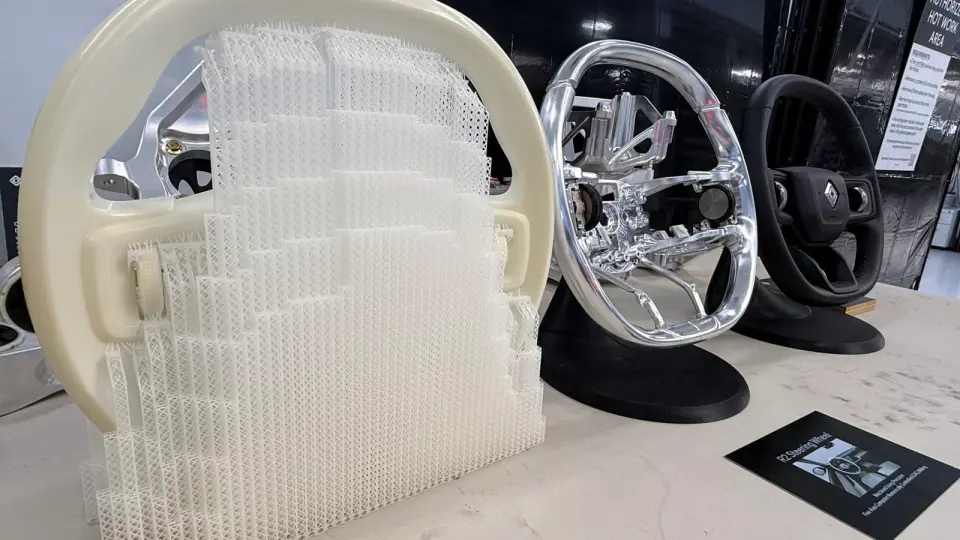
Major automakers are expanding 3D printing beyond prototyping to produce factory tools and vehicle parts. Rivian, Ford, and General Motors report that additive manufacturing reduces costs, accelerates production cycles, and improves supply chain flexibility.
Key points
- Rivian has invested over $5 million in 3D printing equipment, with annual material costs reaching $1.7 million. The company states that machines typically recoup their costs within a year by cutting production times from weeks to days.
- Ford is deploying 3D printing labs at more than 23 plants by the end of 2026. The company currently operates over 200 machines, using a vending machine system at its Dearborn, Michigan, facility to distribute tools for F-150 production.
- General Motors utilizes 3D printing for low-volume production, including 135 components for the Cadillac Celestiq and specific parts for the Cadillac Blackwing sedans. GM has expanded its use of industrial Stratasys printers to standardize and scale the technology.
- Additive manufacturing allows companies to create custom tools on demand, such as torque bit sockets and hood jacks, reducing reliance on traditional supplier tooling and logistics. This approach helps maintain assembly line operations during parts shortages.
Background
This expansion follows a broader trend in automotive manufacturing toward flexible, cost-effective production methods. While 3D printing has existed for decades, its adoption in the automotive sector is accelerating as material properties improve and equipment becomes more accessible. Recent developments in electric vehicle infrastructure, such as Ford’s upcoming Fathom truck with integrated inverters, also reflect the industry’s push for integrated and efficient technological solutions, though 3D printing specifically targets internal manufacturing efficiency rather than consumer-facing features.
How outlets are covering it
CNBC provides detailed operational insights, highlighting specific financial figures for Rivian and the logistical innovations at Ford, such as the parts vending machine. Pluang offers a market-oriented perspective, noting that Rivian’s stock rose 6.20% to $12.16 on October 31, 2026, suggesting investor interest in the company’s operational improvements. While CNBC focuses on the technical and financial benefits of the technology, Pluang frames the news within the context of stock performance and broader market trends, indicating that these manufacturing shifts may influence investor sentiment.
Why it matters
The shift toward 3D printing represents a significant change in automotive manufacturing, moving from traditional mass production to more agile, on-demand production. This reduces dependency on external suppliers, shortens development cycles, and lowers costs for both tools and parts. For investors and industry observers, this signals a move toward greater operational efficiency and resilience in the face of supply chain disruptions, potentially impacting the profitability and competitiveness of major automakers.
What to watch
Ford expects to have 3D labs deployed at more than 23 plants by the end of 2026. Rivian plans to continue expanding its 3D printing capabilities, including new machines for flexible silicone parts and additional bays at its Normal, Illinois, plant. General Motors is likely to continue standardizing and scaling its use of industrial 3D printers, particularly for low-volume and bespoke vehicle components. The industry may see further integration of 3D printing into mainstream production as technology becomes faster and more economically viable.
Want the full story? Read the original reporting
Read on CNBC