
Ferrari Luce Auction Shatters Records, Defying Initial Market Backlash
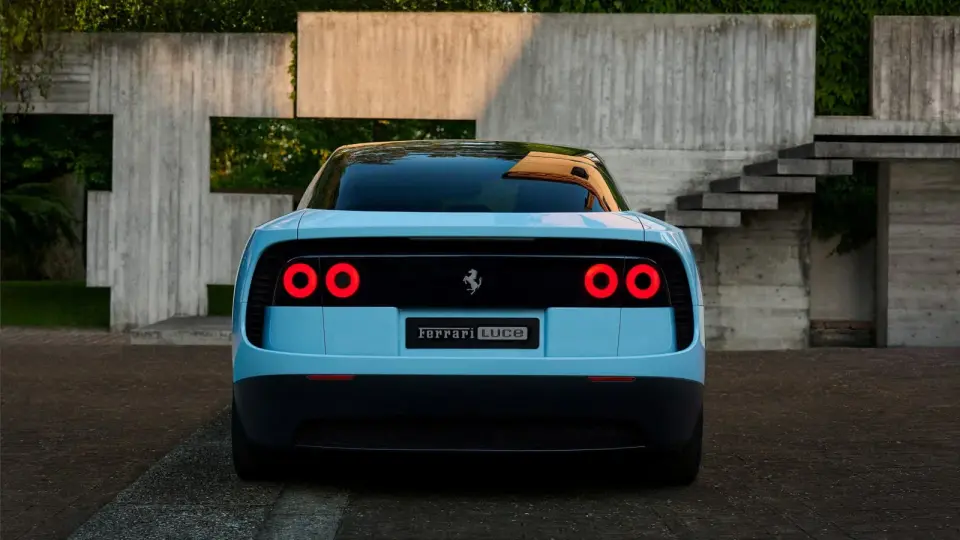
A bespoke Ferrari Luce, the brand’s first electric vehicle, sold for $40 million at a charity auction, setting a new record for a new car. This sale follows a controversial launch that initially depressed stock prices, but Ferrari has since raised its 2026 guidance due to strong demand.
Key points
- The first production chassis of the Ferrari Luce sold for $40 million at RM Sotheby’s in California, setting a record for a new car at auction.
- The sale price is approximately 35 times the standard retail price of 550,000 euros (roughly $640,000).
- Proceeds from the sale will be donated to the Ferrari Foundation’s educational programs.
- The Luce’s May 2026 unveiling triggered a negative market reaction and stock price drop due to design criticism and skepticism about EVs.
- Ferrari recently raised its full-year 2026 guidance after beating second-quarter earnings expectations, citing strong personalization demand.
Background
The Ferrari Luce represents the luxury automaker’s first entry into the fully electric vehicle market, a sector dominated by Tesla and Chinese manufacturers. The car was designed by Sir Jony Ive, known for iPhone design, and features a five-seat configuration that departed from traditional Ferrari aesthetics. The vehicle was unveiled in May 2026, with Italian President Sergio Mattarella and Pope Leo invited to view it. This auction follows a period of market skepticism, where competitors like Porsche and Lamborghini scaled back EV plans due to weak demand. Ferrari’s stock has since recovered, rising nearly 12% this year.
How outlets are covering it
CNBC emphasizes the financial success of the auction and Ferrari’s subsequent guidance increase, framing the sale as a vindication of the EV strategy. BBC highlights the cultural backlash, noting criticism from Italian Deputy PM Matteo Salvini and former Ferrari chairman Luca Cordero di Montezemolo, who called the car a risk to the brand’s legacy. BBC also notes that Ferrari met its sales targets thanks to strong demand in China, a detail not emphasized by CNBC. duPont REGISTRY News and Road & Track provide minimal commentary on the Luce itself, focusing instead on other automotive news, but confirm the auction’s record-breaking status. All sources agree on the $40 million price and the charity aspect, but differ in their framing of the car’s market reception: CNBC focuses on financial recovery, while BBC focuses on the initial controversy and eventual acceptance.
Why it matters
The $40 million sale demonstrates that high-end EVs can command premium prices despite initial skepticism, potentially influencing the EV strategies of other luxury automakers. It also highlights the growing value of bespoke, limited-production vehicles in the luxury market. For Ferrari, the sale and subsequent guidance increase suggest that the Luce is performing well commercially, even if its design remains controversial. This could impact future EV development across the industry, as competitors may reconsider their EV plans in light of Ferrari’s success.
What to watch
Ferrari will likely continue to market the Luce to new buyers, as CEO Benedetto Vigna suggested the EV would attract new clientele. The company may also expand its personalization program, given the strong demand cited in its guidance increase. The auction proceeds will fund educational programs, potentially enhancing Ferrari’s brand image. Future developments may include further EV models or hybrid options, depending on market reception and competitor actions.
- Ferrari Luce: Polarizing EV becomes a $40 million collector’s item CNBC
- Ferrari's first ever electric car sold for record $40m at auction BBC
- RM Sotheby's | The Monterey Auction 2026: Top 10 Results & Highlights duPont REGISTRY News
- First Ferrari Luce Production Chassis Sells For $40 Million at Auction in Monterey Road & Track
- Someone Just Spent $40,000,000 On The First Ferrari Luce, Making It Likely The Most Expensive Electric Car Ever Sold The Autopian
Want the full story? Read the original reporting
Read on CNBC