
Record Fuel Costs and Driver Shortages Threaten Holiday Stock of Big-Ticket Items
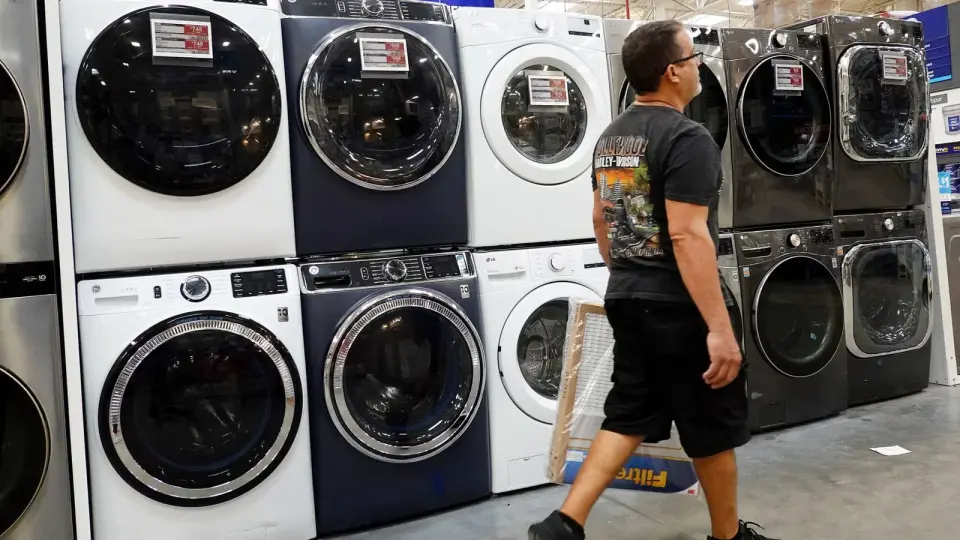
High diesel prices, rising trucking rates, and elevated capital costs are forcing retailers to hold minimal inventory for large holiday items. Experts predict shortages for TVs and appliances, though deeper discounts may appear later as stores clear stock. Delivery methods are shifting toward gig workers and drones to manage peak demand.
Key points
- General trucking rates have risen over 47% year-over-year, driven by a federal crackdown on non-citizen drivers that has created a capacity crunch.
- Fuel surcharges have spiked 64% year-over-year as diesel prices hit record highs, partly due to the U.S.-Israel war with Iran.
- Inventory holding costs are at multi-decade highs, linked to the 10-year Treasury yield exceeding 5% in October.
- Retailers are adopting a wait-and-see approach, delaying peak season forecasts until late October to avoid excess inventory costs.
- Logistics firms expect 2.4 billion package deliveries during the 2026 holiday peak, a 4% increase, driving greater use of gig delivery and drones.
Background
Recent coverage noted that small retailers are already absorbing record-high shipping costs driven by fuel spikes, threatening their margins. This current shortage of big-ticket items extends that pressure to large retailers, who are now strategically reducing stock to mitigate the high cost of holding inventory. While consumer demand remains strong, the logistical friction is reshaping how products reach shelves.
Why it matters
Shoppers may face limited availability for major appliances and electronics early in the holiday season. However, retailers may offer deeper discounts later to liquidate remaining stock, potentially benefiting those willing to wait. The shift toward gig and drone delivery also signals a permanent change in last-mile logistics efficiency.
What to watch
Retailers are expected to announce more price promotions closer to the holidays to clear inventory. Logistics companies will continue securing capacity through gig workers and drone partnerships to handle the 4% increase in package volume. The impact of the 10-year Treasury yield on holding costs will remain a key variable for retail profitability.
Want the full story? Read the original reporting
Read on CNBC