
Uber Cuts 10% of Staff to Flatten Hierarchy and End Remote Work
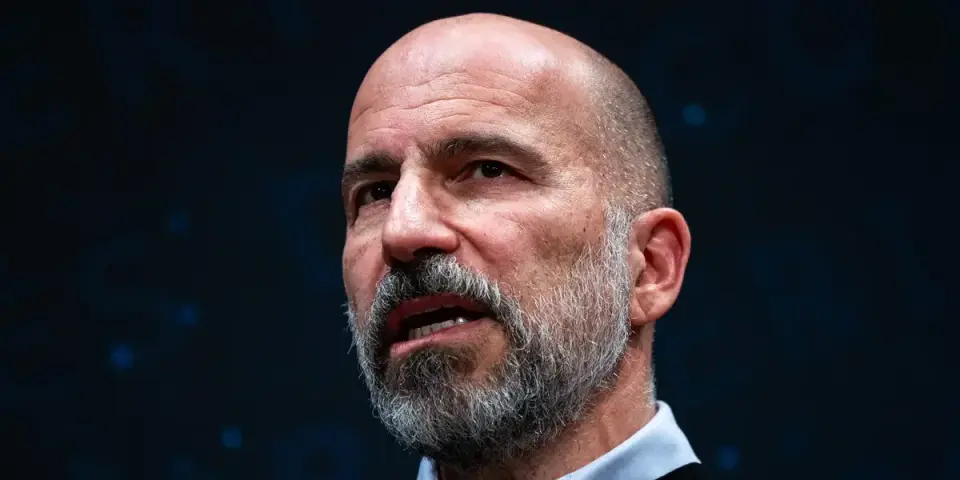
Uber is cutting approximately 10% of its workforce, or 3,300 jobs, to simplify its organizational structure. CEO Dara Khosrowshahi announced the changes on September 2, 2026, citing the need to reduce complexity after rapid growth. The company is eliminating 'micro-teams' with only one or two direct reports and reducing management layers. Additionally, Uber is ending its remote work policy, requiring nearly all employees to relocate to key hubs like San Francisco and New York. The restructuring aims to improve decision-making speed and reinvest savings into growth and autonomous technology.
Key points
- Uber is reducing its workforce by 10%, affecting approximately 3,300 employees globally.
- The company is cutting the number of 'micro-teams' (those with 1-2 direct reports) by nearly 50%.
- Uber is reducing the number of employees seven or more layers away from the CEO by 20%.
- Remote work is being eliminated; only about 1% of employees will remain remote, with most required to move to hubs in San Francisco, New York, and other regional centers.
- The restructuring is described as Uber's largest cut since 2020, with 93 employees affected in Washington state alone.
- Uber is combining fragmented teams, such as merging three Delivery Ops teams into single-threaded units, to clarify accountability.
Background
This move follows a broader trend in the tech industry where companies are restructuring to adapt to AI capabilities and post-pandemic work norms. Earlier in 2026, companies like Coinbase and Meta had already shifted toward smaller, more autonomous teams or 'player-coach' management models. Uber's decision aligns with this industry-wide push to reduce managerial overhead and increase direct contribution from leadership.
How outlets are covering it
Business Insider emphasizes the strategic shift away from 'micro-teams' and the broader industry trend of managers acting as 'player-coaches' due to AI assistance. MyNorthwest highlights the local impact in Washington state, noting that 93 workers were laid off, particularly in Seattle's engineering hub, and frames the cuts as a consequence of Uber's rapid expansion. Uber's official memo from CEO Dara Khosrowshahi focuses on the necessity of simplifying the organization to handle complexity, arguing that the previous structure created too much coordination overhead. Khosrowshahi stresses that the changes are about organizational efficiency, not individual performance, and aims to reinvest savings into future growth and autonomous technology.
Why it matters
This restructuring signals a significant shift in corporate culture for major tech firms, moving away from remote work and hierarchical management toward centralized, leaner operations. It reflects how companies are adapting to AI-driven productivity and the need for faster decision-making. The elimination of remote work also impacts the real estate market and employee lifestyle, while the reduction in management layers may affect career development and mentorship opportunities for employees.
What to watch
Uber expects to reinvest the savings from these layoffs into growth, innovation, and autonomous technology. The company will continue to enforce its hybrid work policy, requiring three days a week in the office, and will monitor the effectiveness of the new organizational structure. Employees will receive specific follow-up information from their leaders regarding their team's changes. The company aims to create a more efficient and faster-moving organization to capitalize on its current momentum and financial capacity.
- Uber is cutting many of its 'micro-teams' and giving some middle managers more reports Business Insider
- Uber layoffs hit Seattle workers The Seattle Times
- Uber laying off nearly 100 Washington workers as part of company’s largest cuts since 2020 MyNorthwest.com
- Uber to Cut 10% of Jobs, or 3,300 Roles, to Slash Bureaucracy Bloomberg.com
- Building a simpler, faster Uber Uber
Want the full story? Read the original reporting
Read on Business Insider