
Cannabis Prices Drop as 'Green Wednesday' Discounts Fuel Industry Revenue Decline
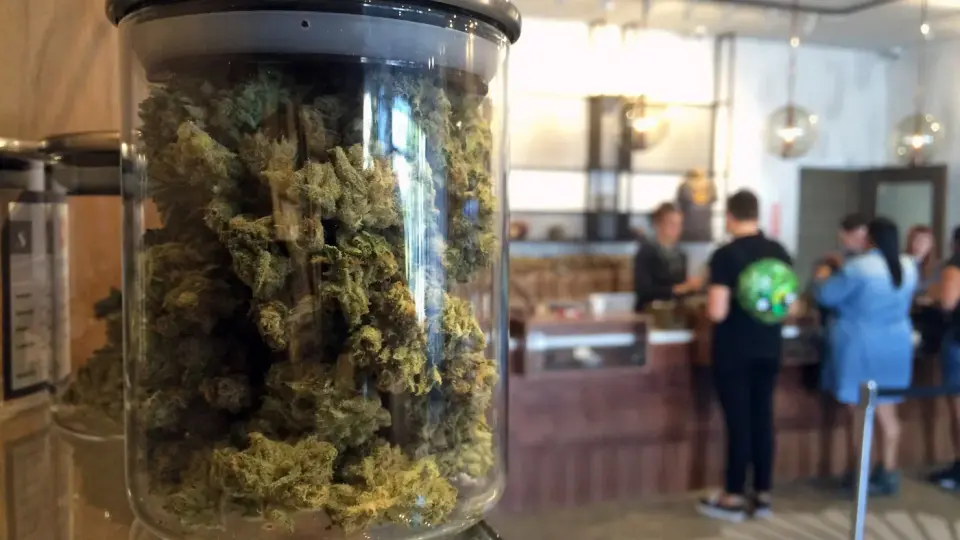
Cannabis prices are falling this Thanksgiving due to aggressive discounts and oversupply, a trend that benefits consumers but hurts retailer revenue. Known as 'Green Wednesday,' the day before Thanksgiving has become a major sales period for dispensaries, rivaling 4/20. While the U.S. cannabis industry is valued at $30 billion, 2025 saw the first revenue dip since legalization began, driven by a 'race to the bottom' in pricing. Consumers are using discounts to offset higher costs for essentials like gas and food, shifting their spending habits. Meanwhile, cultural shifts are normalizing cannabis use during family gatherings, with some users reporting improved social dynamics during the holiday.
Key points
- The U.S. cannabis industry, valued at $30 billion, saw a revenue decline in 2025 due to oversupply and deep discounts, the first drop since 2014.
- Green Wednesday, the day before Thanksgiving, has become a peak sales period for dispensaries, featuring steep deals and high foot traffic.
- Consumer behavior has shifted; shoppers now use cannabis discounts to save money for essential goods like gas and groceries, rather than increasing their cannabis budget.
- Medical cannabis was reclassified to Schedule III in 2026, while recreational marijuana remains a Schedule I drug federally.
- Cultural acceptance is growing, with some families using cannabis to ease holiday stress and improve social interactions, though experts caution that dosage and context matter.
Background
Cannabis legalization in the U.S. began in 2014 with Colorado and Washington. Since then, 24 states and the nation's capital have legalized recreational sales. The industry has generally seen revenue growth, but 2025 marked the first year of decline. This follows a period of rising inflation and essential costs, which has altered consumer spending habits. The reclassification of medical cannabis to Schedule III in 2026 reflects evolving federal policy, though recreational use remains federally prohibited.
How outlets are covering it
NPR and Whitney Economics emphasize the economic strain on retailers, noting that deep discounts have created a 'race to the bottom' that hurts operators despite benefiting consumers. RochesterFirst highlights the competitive landscape in New York, where dispensaries are offering up to 50% off to capture tax revenue and market share. Bon Appétit focuses on the cultural shift, suggesting that cannabis use during Thanksgiving may help dissolve intergenerational communication barriers and ease holiday anxiety. The State Journal-Register provides a practical perspective, recommending specific strains for different holiday activities, from cooking to post-meal relaxation. These outlets differ in focus: NPR and Whitney Economics prioritize industry economics, RochesterFirst emphasizes local business strategy, Bon Appétit explores social dynamics, and The State Journal-Register offers consumer advice.
Why it matters
The decline in cannabis prices and revenue signals a maturing market where consumer affordability is prioritized over retailer profit. This trend reflects broader economic pressures, as consumers use discretionary spending to offset rising costs of essentials. The cultural normalization of cannabis during Thanksgiving suggests a shift in social norms, potentially influencing future policy and market growth. For retailers, the challenge is to balance competitive pricing with sustainable revenue, while for consumers, the trend offers lower costs for a product that is increasingly integrated into holiday traditions.
What to watch
Forecasts for the end of 2026 and 2027 remain modest, with sales expected to increase by about 5% compared to the same period last year. Retailers will likely continue to offer deep discounts to attract customers, but the long-term sustainability of this model is uncertain. The reclassification of medical cannabis to Schedule III may lead to further regulatory changes, potentially impacting the legal market. As cultural acceptance grows, more consumers may integrate cannabis into their holiday routines, but the impact on overall industry revenue will depend on whether discounts lead to increased volume or simply lower prices.
- In a time of rising costs, one Thanksgiving commodity is cheaper: cannabis NPR
- Green Wednesday 2026: Why Cannabis Sales Surge Before Thanksgiving Forbes
- Cannabis dispensaries prepare for the Green Wednesday rush RochesterFirst
- Why Weed Is Now a Family Thanksgiving Tradition Bon Appétit: Recipes, Cooking, Entertaining, Restaurants | Bon Appétit
- These six cannabis strains can help you get through Thanksgiving The State Journal-Register
Want the full story? Read the original reporting
Read on NPR