
SPUR Report Warns Bay Area Commutes Could Double If Transit Funding Fails
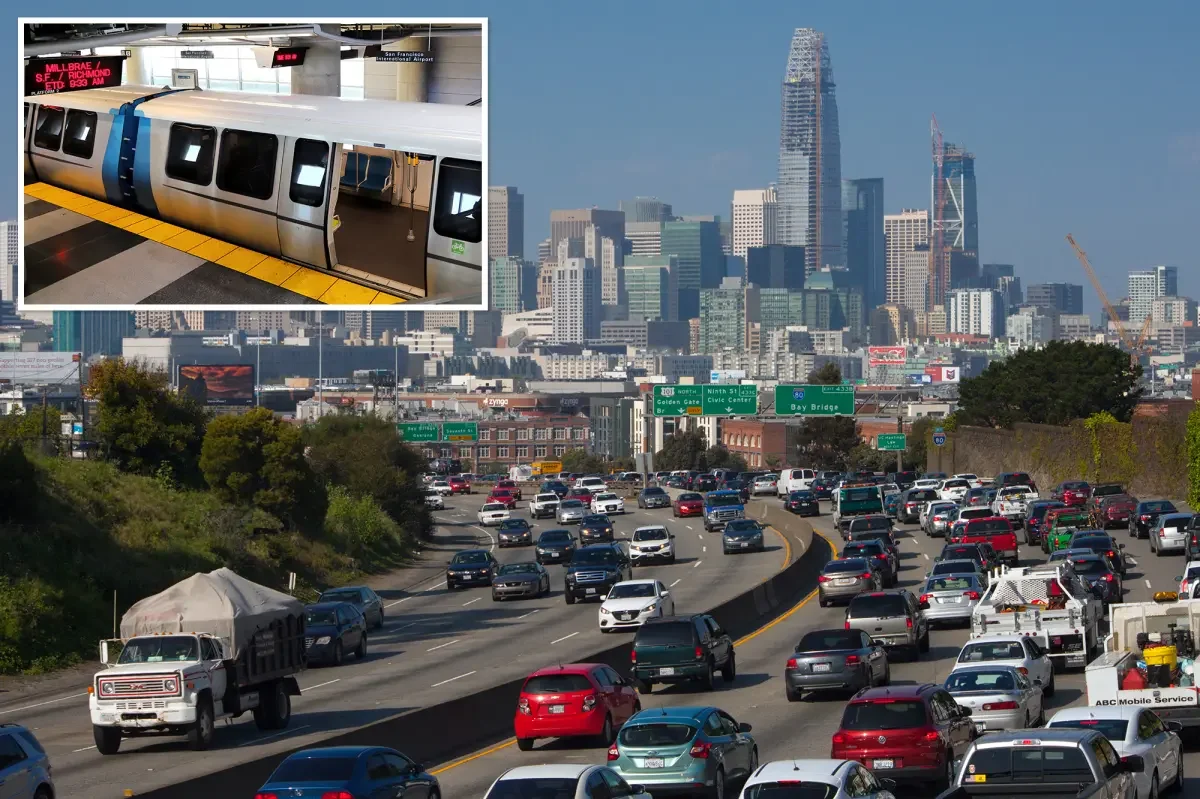
A new study by SPUR warns that rush-hour traffic delays in the San Francisco Bay Area could double if public transit systems face severe budget cuts. The report highlights potential increases of 15 to 43 minutes in travel times on major highways like the Bay Bridge and Caldecott Tunnel. These delays would result from an estimated 430,000 people losing access to BART stations, forcing them onto freeways and adding over 498 million vehicle miles traveled annually. The financial crisis stems from BART’s annual deficits of $350 million to $400 million, with potential regional deficits reaching $800 million next year. To address this, voters will decide in November on a sales tax increase to fund transit operations. While SPUR advocates for the measure, opponents dismiss the study as a scare tactic, arguing that the proposed tax would be more costly than the transit system itself. The situation underscores the critical link between public transit funding and regional traffic congestion.
Key points
- SPUR study projects 15-33 minute morning and 20-43 minute evening commute increases on key Bay Area highways if transit funding fails.
- BART faces annual deficits of $350-400 million, with potential regional deficits reaching $800 million next year.
- Potential station closures could force 430,000 people onto freeways, adding 498 million vehicle miles traveled annually.
- Voters will decide in November on a sales tax increase to fund BART and other transit systems.
- Opponents dismiss the study as a scare tactic, arguing the proposed tax would be more costly than the transit system itself.
Background
The Bay Area has faced ongoing challenges with public transit funding and ridership recovery post-pandemic. Recent reports have highlighted the financial strain on BART and other transit systems, with ridership remaining below pre-pandemic levels. The region has also seen increased traffic congestion, with studies suggesting that the San Andreas Fault's slip rate may be higher than previously estimated, potentially leading to more frequent earthquakes and further straining infrastructure. The current financial crisis for BART is part of a broader trend of budget deficits in local transportation systems, with potential cuts to services and station closures looming if new funding is not secured.
Why it matters
The potential collapse of public transit in the Bay Area could have severe consequences for daily commutes, increasing travel times and costs for residents. The financial strain on BART and other transit systems threatens to force hundreds of thousands of people onto already congested freeways, leading to significant increases in traffic delays and vehicle miles traveled. This not only impacts individual commuters but also has broader economic and environmental implications, as increased traffic leads to higher fuel costs and greater carbon emissions. The upcoming vote on a sales tax increase is crucial for determining the future of public transit in the region, with potential cuts to services and station closures if funding is not secured. The situation underscores the critical link between public transit funding and regional traffic congestion, highlighting the need for sustainable solutions to maintain efficient and accessible transportation systems.
What to watch
Voters in the Bay Area will decide in November on a sales tax increase to fund BART and other transit systems. If the measure fails, BART may close up to 15 stations, Caltrain may close 10 stations, and Muni may cut 20 routes. These cuts could lead to significant increases in traffic delays and vehicle miles traveled, as estimated by the SPUR study. The outcome of the vote will determine the future of public transit in the region, with potential consequences for daily commutes, economic activity, and environmental impact. If the measure passes, the additional funding could help stabilize transit operations and prevent the worst-case scenarios outlined in the study.
Want the full story? Read the original reporting
Read on New York Post