
Apple’s $250M Siri Settlement: How to Claim Your Share by December
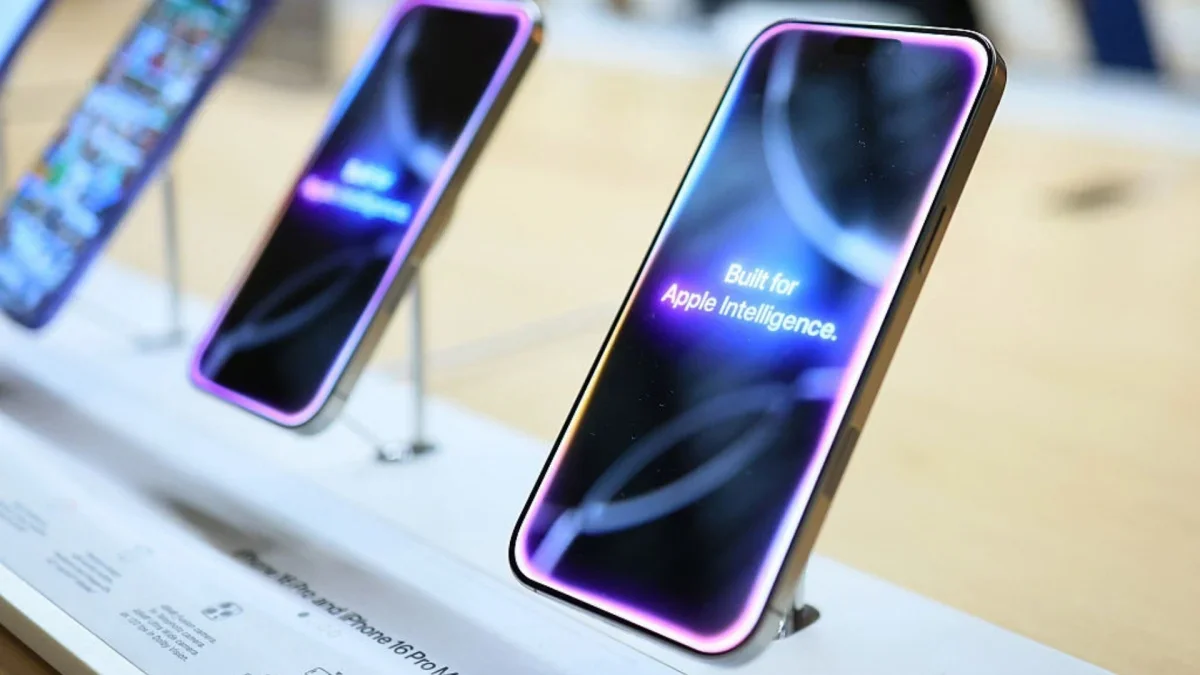
Apple has agreed to pay $250 million to settle a class-action lawsuit alleging it falsely advertised the availability of advanced AI features, specifically the revamped Siri, for the iPhone 15 Pro and iPhone 16 series. Eligible U.S. owners who purchased these devices between June 10, 2024, and March 29, 2025, can claim a share of the fund. Payouts range from $25 to $95 per device, depending on the total number of claims filed. The deadline to submit a claim or opt out is December 21, 2026, with a final court hearing scheduled for February 24, 2027.
Key points
- The settlement covers U.S. buyers of the iPhone 15 Pro, iPhone 15 Pro Max, and all iPhone 16 models (including the 16e, Plus, Pro, and Pro Max) purchased between June 10, 2024, and March 29, 2025.
- Individual payouts are estimated to start at $25 but could rise to a maximum of $95 per device, contingent on the total number of valid claims and legal fee deductions.
- Claimants must provide their device serial number or Apple Account ID to verify eligibility; the process is handled via the website SmartphoneAISettlement.com.
- Apple has not admitted fault, stating the resolution allows them to focus on product delivery, while the lawsuit alleged the company knew it could not deliver the promised AI timeline.
- The deadline to file a claim or exclude oneself from the settlement is December 21, 2026; failing to act binds users to the settlement terms without guaranteeing a payout.
Background
This settlement follows the launch of the iPhone 16 series in 2024, which was marketed with promises of enhanced Siri and Apple Intelligence capabilities. Although an updated Siri beta has recently launched, it arrived two years after initial customer expectations. Previous coverage noted that Apple’s recent hardware launches, including the iPhone 18 Pro and foldable iPhone Duo, have continued to emphasize AI integration, but the current dispute centers on the delayed delivery of features promised for the 2024-2025 product cycle.
How outlets are covering it
Mashable and WIRED provide nearly identical details regarding the eligibility window, payout range, and claim process, emphasizing the practical steps for users to file. WIRED notes that the revamped Siri is now available via iOS 27, suggesting the delay is resolved but the financial compensation remains relevant for past purchasers. WCPO 9 Cincinnati adds a consumer protection angle, warning users to verify the legitimacy of settlement emails to avoid scams, as Apple will not request sensitive data like Social Security numbers. All sources agree that Apple denies wrongdoing, framing the payment as a resolution rather than an admission of liability.
Why it matters
This settlement highlights the growing legal scrutiny of tech companies’ marketing claims regarding AI capabilities. For consumers, it offers a direct financial remedy for perceived misrepresentation, while for Apple, it sets a precedent for how delayed software features may be handled in future product cycles. The relatively low individual payout amounts underscore the scale of the affected user base, estimated at millions, and the importance of timely claim submission to maximize individual returns.
What to watch
Users must submit claims by December 21, 2026, to receive a share of the $250 million fund. A final court hearing is scheduled for February 24, 2027, to determine the fairness of the settlement. Payments are expected to be distributed several months after this hearing, potentially around Memorial Day 2027. Those who do not file a claim or opt out will be bound by the settlement terms but will not receive any compensation.
- If you have an iPhone, Apple might owe you money. Here's how to claim it. Mashable
- How to Claim Your Cut of Apple’s $250 Million Siri Settlement WIRED
- How to get a slice of the $250M Apple settlement SFGATE
- iPhone settlement could pay you up to $95 for Siri AI delays WCPO 9 Cincinnati
- Apple settlement could mean a payout for some iPhone owners Fox Business
Want the full story? Read the original reporting
Read on Mashable