
China’s emissions plateau while U.S. pollution rises amid policy shifts
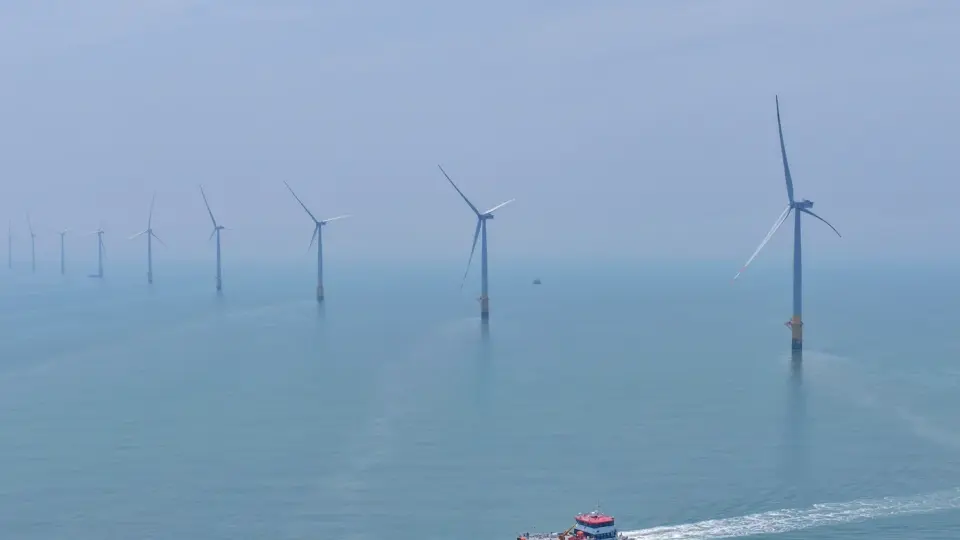
China’s greenhouse gas emissions have remained flat or declined for 2.5 years, driven by massive renewable energy deployment and electric vehicle adoption. Conversely, U.S. emissions rose in 2025 due to increased coal and oil use, marking the only major economy with significant growth. Experts attribute this divergence to China’s consistent long-term industrial planning versus the U.S. policy instability between the Biden and Trump administrations.
Key points
- China’s emissions dropped 3% in the latest quarter, the largest decline since the pandemic, as renewables displaced coal and EVs reduced oil demand.
- U.S. emissions increased in 2025, driven by higher coal power generation and fossil fuel use for heating, contrary to global trends.
- China’s success stems from 20 years of consistent five-year plans that built nationwide supply chains for solar, batteries, and wind technology.
- The U.S. faces 'policy whiplash' as the Trump administration reversed Biden-era incentives for clean energy and prioritized fossil fuel production.
- New U.S. data centers, largely powered by fossil fuels, are adding to emissions, with 400 large facilities emitting as much as Denmark.
Background
Previous coverage noted China’s Q3 2026 emissions fell 3.1%, extending a trend that began in March 2024. While China remains the world’s largest emitter, its output has stabilized. In contrast, U.S. emissions have fluctuated with political changes, lacking the sustained infrastructure investment seen in China. Recent studies also highlight the growing carbon footprint of U.S. data centers, which now rival the emissions of small nations.
Why it matters
The diverging trajectories of the world’s two largest emitters highlight how consistent industrial policy can accelerate decarbonization, while regulatory reversals can hinder progress. As COP31 convenes, China’s dominance in clean tech exports may further solidify its global market position, challenging U.S. competitiveness in the energy transition.
What to watch
U.S. emissions are projected to fall slightly this year as coal use decreases, but experts warn that without large-scale renewable deployment, reductions will be limited. China is expected to promote its clean tech trade at COP31, potentially expanding its influence in developing nations like Pakistan and the Philippines.
Want the full story? Read the original reporting
Read on NPR