
Falcon 9 Commercial Phase-Out Creates Launch Gap for Satellite Operators
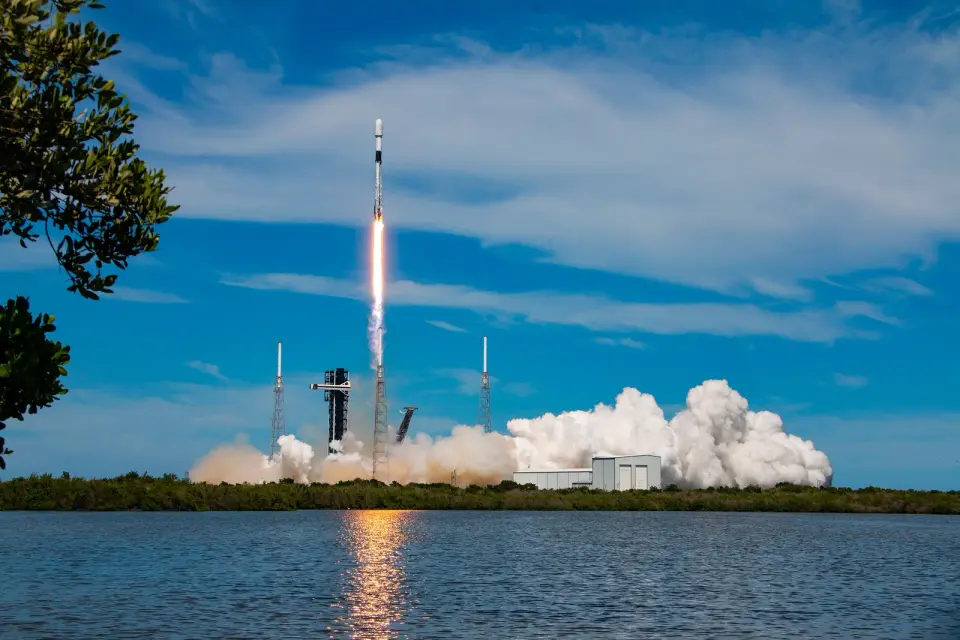
SpaceX is winding down commercial Falcon 9 operations, creating a temporary access-to-orbit gap for satellite operators. While the rocket has completed nearly 700 flights, new commercial bookings are increasingly difficult to secure. Industry leaders expect a critical transition period between 2029 and 2031 as SpaceX shifts focus to Starship and alternative providers struggle to match current launch cadences.
Key points
- SpaceX has not issued an official announcement, but industry representatives report that booking new commercial Falcon 9 missions is now practically impossible.
- The company stopped accepting applications for joint flight programs beyond late 2028 or early 2029, signaling a shift in priorities toward Starship.
- Small satellite companies face the most severe consequences, as the rideshare program was their primary, affordable path to orbit.
- Giulio Ranzo, CEO of Italian launch provider Avio, reported an influx of former SpaceX customers seeking alternatives, describing the current market situation as 'the party is over.'
- Alternative rockets, including Rocket Lab’s Neutron, Relativity Space’s Terran R, and European vehicles like Ariane 6, are in development but have not yet achieved the high flight frequencies required to fill the gap.
- Some companies are reserving capacity early; for example, Portal Space Systems purchased a Falcon 9 for its Supernova mission and is reselling spare payload capacity to other customers.
Background
Recent archive entries show SpaceX maintaining a high launch cadence in 2026, including its 700th Falcon 9 mission in September, which delivered SES O3b mPOWER satellites. The company also continued regular Starlink deployments, with one recent launch boosting the active fleet to over 11,100 satellites. These operations highlight the current reliance on Falcon 9 before the anticipated commercial phase-out.
How outlets are covering it
SpaceNews frames the situation as a significant, if temporary, gap in access to orbit, emphasizing the industry's struggle to adapt. Zamin.uz and SatNews focus on the immediate impact on commercial customers, highlighting the difficulty in securing new launches and the influx of clients to competitors like Avio. European Spaceflight underscores the competitive opportunity for non-SpaceX providers, noting that while alternatives exist, the challenge lies in scaling up flight frequencies quickly enough to meet demand. All sources agree that the transition period between 2029 and 2031 will be critical, but they differ in emphasis: some view it as a market disruption, while others see it as a catalyst for the growth of alternative launch providers.
Why it matters
The phase-out of Falcon 9 commercial operations will reshape the global launch market, forcing satellite operators to seek alternatives and potentially accelerating the development of new rocket technologies. The temporary gap in access to orbit could delay missions and increase costs, particularly for small satellite companies that relied on rideshare programs. This shift also highlights the dominance of SpaceX and the challenges faced by competitors in matching its launch cadence and reliability.
What to watch
The industry will closely monitor the launch schedules of alternative providers, including Rocket Lab, Relativity Space, and European companies, to see if they can scale up operations to fill the gap left by Falcon 9. Companies may continue to reserve capacity with remaining Falcon 9 slots or seek early contracts with new providers. The period between 2029 and 2031 will be crucial in determining whether the market can smoothly transition to new launch vehicles or if there will be a significant disruption in satellite deployment capabilities.
- Satellite industry grapples with the end of Falcon 9 SpaceNews
- A Rocket Supply Crunch Is Making It Harder to Hitch a Ride to Space WSJ
- Avio CEO Reports Influx of Customers Turned Away by SpaceX European Spaceflight
- SpaceX has stopped accepting orders for the Falcon 9 rocket Zamin.uz
- Avio Reports Influx of Commercial Satellite Customers as SpaceX Freezes New Falcon 9 Orders satnews.com
Want the full story? Read the original reporting
Read on SpaceNews