
Copper Hits Record $14,533 as Tariff Fears and Mine Shortages Tighten Global Supply
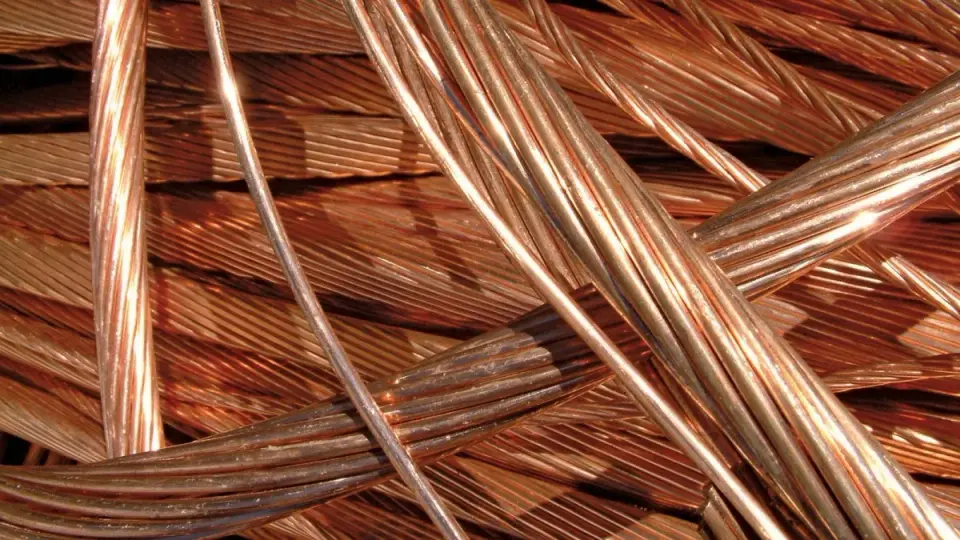
Copper prices reached a record high of $14,533 per metric ton on the London Metal Exchange (LME) in early September 2026. The surge was driven by a combination of anticipated U.S. tariffs, which prompted massive imports into American warehouses, and structural supply constraints from global mining operations. While global inventories remain high, regional shortages are tightening markets, particularly for AI and grid infrastructure demand.
Key points
- LME copper futures hit an all-time high of $14,533/ton, up nearly 1% on the day and 47% over the past 12 months.
- U.S. imports surged to approximately 200,000 metric tons in August, with September tracking at 77,000 metric tons, as buyers front-run potential tariffs.
- Global inventories are at record highs, but metal is concentrated in U.S. warehouses, creating regional deficits elsewhere.
- Mine supply is running negative year-over-year, and secondary scrap production has contracted by 50% year-over-year, further tightening availability.
- Chinese inventories are drawing down, with upstream stocks falling 41% and downstream stocks falling 8% year-over-year.
Background
Copper prices had been climbing steadily since early 2026, with our archive noting a record peak in September 2026 amid eroding smelting margins. The current surge follows a broader commodity cycle where grain and diesel prices also spiked due to similar supply constraints and policy shifts. The metal is critical for AI data centers and power grid expansions, making its availability a key factor in global infrastructure projects.
How outlets are covering it
OilPrice.com and ZeroHedge emphasize the 'physical scarcity' narrative, with strategist Jeff Currie arguing that metal locked in U.S. warehouses is unavailable globally, creating a regional deficit. Goldman Sachs' Adam Gillard notes that while global inventories are high, the price surge is driven by regional imbalances and strong U.S. imports, with option positioning remaining relatively low. StoneX Financial's Michael Cuoco highlights that strong demand growth and supply challenges will support higher prices in the future. The WSJ reports that the surge is driven by mine supply concerns and tariff fears, with buyers scrambling for the metal. All sources agree that the price spike is not solely a growth signal but a reflection of structural supply issues and policy-driven trade shifts.
Why it matters
Copper is essential for electrification, AI infrastructure, and renewable energy projects. A sustained price surge could increase costs for these sectors, potentially slowing down global clean energy transitions and data center buildouts. The regional supply squeeze also highlights vulnerabilities in global supply chains, where policy decisions in one region can create shortages elsewhere. This could lead to higher inflation in related industries and increased geopolitical tensions over critical minerals.
What to watch
Watch for U.S. tariff announcements, which could further disrupt global copper flows. Monitor LME inventory levels and U.S. import data to assess the severity of the regional squeeze. Track mine supply developments in key producing regions like Chile and the Congo, as well as changes in scrap production. The price may continue to rise if supply constraints persist, but could pull back if demand softens or if new supply sources come online.
- Copper Surges Above $14,500 as Supply Squeeze Deepens Crude Oil Prices Today | OilPrice.com
- White House copper tariff plan stalls amid affordability concerns, sources say Reuters
- AI is fueling copper demand. Kevin Simpson thinks this volatile miner is worth the risk CNBC
- LME Copper Prices Hit Record on Supply Issues, U.S. Tariff Concerns WSJ
- Metals Fall From Record High in London as Mideast Tensions Flare Bloomberg.com
Want the full story? Read the original reporting
Read on Crude Oil Prices Today | OilPrice.com