
Mosseri admits low teen uptake of safety tools in Meta trial
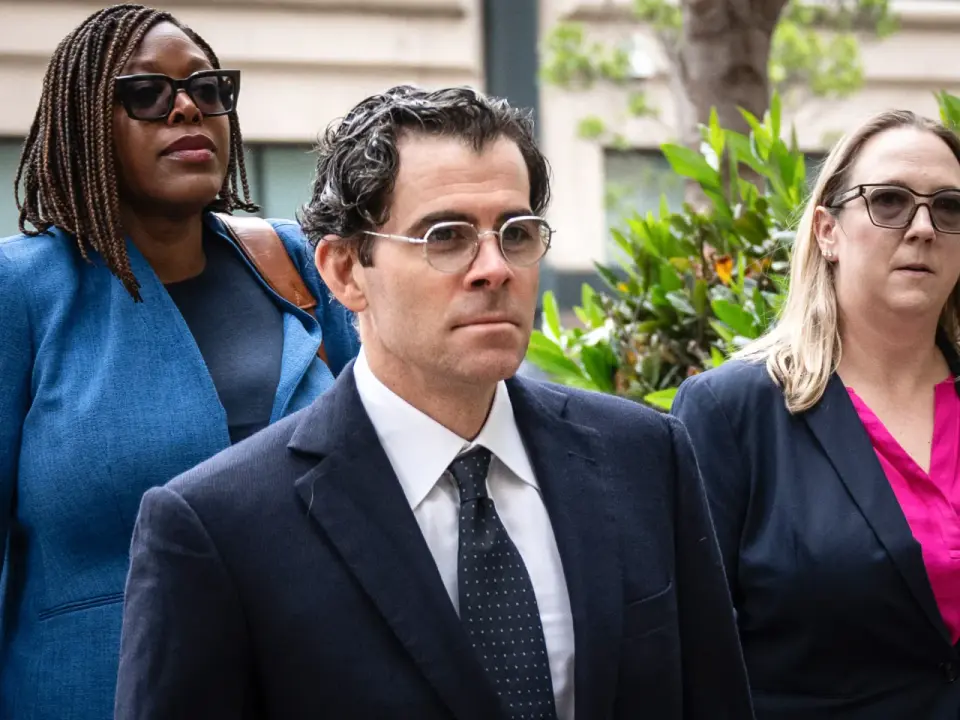
Instagram chief Adam Mosseri testified in a federal trial in Oakland, California, admitting that few teenagers used the 'Take a Break' safety feature before it was made default. He acknowledged adoption rates were in the low single digits but argued the company did not hide this data, stating, 'We don't publish every single stat.' The 29-state lawsuit alleges Meta designed addictive platforms that harmed youth mental health and improperly collected data from children under 13. The states seek approximately $200 billion in damages, while Meta denies the claims, asserting its safety teams are industry-leading. Former employees have testified that safety features were difficult to find and that leadership prioritized engagement over child safety. The trial, which could last six weeks, is a landmark test of social media's impact on young users.
Key points
- Mosseri admitted that 'Take a Break' had low adoption, with only 1-2% of teens using it before it became default in 2024.
- The 29-state lawsuit seeks $200 billion in damages, alleging Meta designed addictive features and mishandled data from under-13 users.
- Former Meta employees testified that safety tools were hard to find and that leadership declined to enable them by default due to negative impacts on engagement.
- Mosseri argued that Instagram improved teen protections over time but acknowledged there are 'no silver bullets' for these issues.
- The trial is expected to last six weeks, with an advisory verdict from jurors and a final liability decision by Judge Yvonne Gonzalez Rogers.
Background
This trial follows earlier testimony from former Meta employees who alleged that Mark Zuckerberg prioritized growth over child safety. Previous coverage noted that the lawsuit could result in damages up to $1.4 trillion, though the states are currently seeking $200 billion. The case is seen as a potential global legal reckoning for social media platforms regarding their impact on youth.
How outlets are covering it
Al Jazeera and The Guardian emphasize Mosseri's admission that adoption rates for safety features were low and his defense that the company did not intentionally hide this data. The New York Times highlights Mosseri's argument that there are 'no silver bullets' for teen safety, focusing on his claim that Instagram has improved protections over time. All sources agree on the core allegations of the 29-state lawsuit, but differ in their emphasis: Al Jazeera and The Guardian focus on the specific data points regarding feature adoption, while The New York Times frames the testimony within the broader context of evolving safety measures.
Why it matters
The outcome of this trial could set a precedent for how social media platforms design features for young users and handle data from minors. If Meta is found liable, it could face significant financial penalties and be required to change its platform design to make it safer for children, potentially impacting the entire industry.
What to watch
The trial is expected to continue for several more weeks, with additional witnesses, including Meta CEO Mark Zuckerberg, potentially testifying. Jurors will issue an advisory verdict, and Judge Yvonne Gonzalez Rogers will determine liability and any civil penalties or required changes to Facebook and Instagram.
- Instagram chief testifies at Meta trial, says few teens used safety feature Al Jazeera
- Instagram CEO denies company hid low use of teen safety feature in Meta trial The Guardian
- Instagram head Mosseri, at children's addiction trial, says few teenagers knew of safety feature Reuters
- Instagram head Adam Mosseri testifies in defense of Meta in child safety trial NPR
- Instagram Chief Says ‘No Silver Bullets’ for Teen Safety in Bellwether Trial The New York Times
Want the full story? Read the original reporting
Read on Al Jazeera