
Blood Bank Hacks and Attribution Debates Complicate European Freezer Cyber Crisis
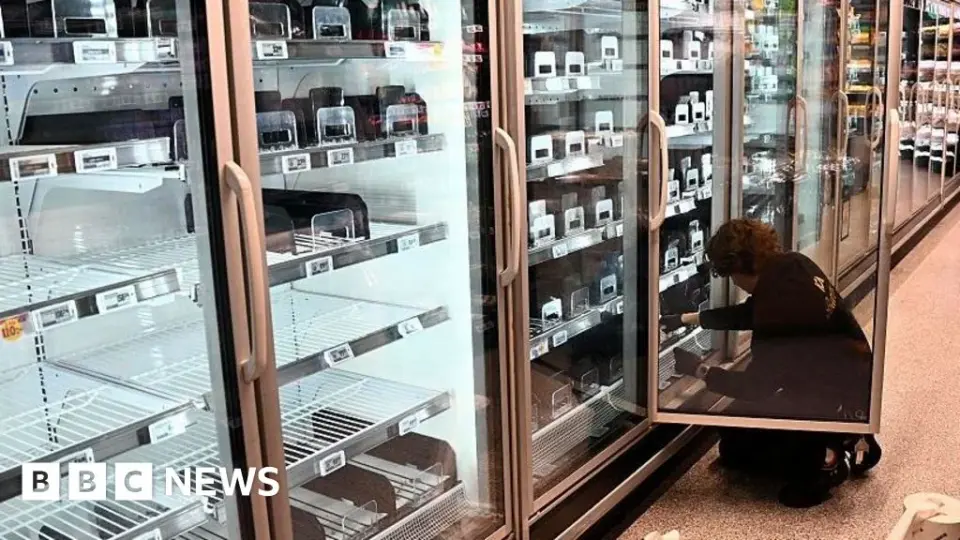
Cyberattacks have expanded from European supermarkets to French blood storage facilities, though no medical products were lost. While Russian hacktivist groups claim responsibility, security firms remain skeptical, citing evidence of Iranian or state-linked actors and the coordinated nature of the attacks.
Key points
- The French Blood Establishment (EFS) confirmed that hackers accessed cold storage rooms at three sites, altering temperature settings to 110°C. Staff intervened quickly, preventing any loss of blood products or health impacts.
- This incident follows a second wave of attacks on supermarkets in seven European countries, including Sweden, Belgium, and Italy, where temperatures spiked to 50°C, spoiling food and costing millions.
- Russian groups NoName057 and Z-Pentest Alliance claimed responsibility for hacking Danfoss systems, but French firm Sekoia and others remain skeptical, noting the groups' history of false attributions and lack of technical evidence for Russian involvement.
- Security experts point to Iranian actors or state-sponsored 'hybrid warfare' as plausible culprits, citing previous attacks on Israeli and US military bases using similar Danfoss and Copeland controllers.
- The attacks exploit legacy, internet-exposed refrigeration controllers with default passwords and end-of-life firmware, highlighting critical infrastructure vulnerabilities across Europe.
Background
This development follows an initial wave of freezer hacks in October 2026 that primarily affected French and Dutch retailers. A second wave in early November expanded to seven European countries, prompting EU crisis meetings and warnings from the UK's National Cyber Security Center. The current incident marks the first confirmed breach of medical blood storage facilities, extending the scope of the cyber campaign beyond retail.
How outlets are covering it
BBC and Sekoia emphasize the lack of technical evidence for Russian involvement, highlighting the skepticism toward NoName057's claims and pointing to Iranian actors or state-based signaling. Yahoo and AP focus on the technical debt of legacy systems, noting that attacks exploited known vulnerabilities in Danfoss and Copeland controllers rather than zero-day exploits. The Guardian highlights the psychological impact on consumers and the potential for state-sponsored sabotage, while also noting the simplicity of the hack, which left no malware trace. All sources agree that the attacks were coordinated and targeted, but they differ on the likely perpetrator, with some favoring state actors and others considering lone-wolf hackers or copycats.
Why it matters
The expansion of cyberattacks to critical medical infrastructure like blood banks underscores the vulnerability of legacy, internet-connected devices in essential services. The lack of clear attribution and the coordinated nature of the attacks suggest a potential state-sponsored campaign, raising concerns about broader hybrid warfare tactics in Europe. The incidents highlight the urgent need for patching and securing industrial control systems, as even simple exploits can cause significant economic and public health risks.
What to watch
Authorities in multiple countries are actively investigating the hacks and warning businesses about potential future attacks. Cybersecurity firms are continuing to monitor honeypots for further clues on the attackers' methods and origins. The EU and national agencies are expected to issue further guidance on securing legacy refrigeration systems, while retailers are urged to patch software and disconnect vulnerable units from the internet.
- Russian hacktivists say they were behind freezer hacks, but speculation remains BBC
- European supermarket fridges got hacked. Again. Here's what to know Yahoo
- Who is hacking Europe’s supermarket fridges and freezers, and why? The Guardian
- Supermarket fridge attack is just the start, says UK cybersecurity chief Reuters
- European Freezer Hacks Highlight Risks to Internet-Connected Cold Chain WSJ
Want the full story? Read the original reporting
Read on BBC