
Krugman Warns Global Trade Is Becoming a Weapon of War
Paul Krugman argues that while global trade historically promoted peace, it now enables 'weaponized interdependence,' where economic ties are exploited for coercion. He cites the Strait of Hormuz crisis and Houthi attacks on Saudi oil infrastructure as real-world examples of how economic integration can escalate into conflict, challenging the traditional view that commerce ensures stability.
Key points
- Krugman notes that the U.S. post-WWII dominance relied on the belief that global economic integration, or 'commerce,' was a force for peace, a view championed by Cordell Hull.
- The International Monetary Fund defines 'geoeconomics' as using financial and trade relationships to achieve geopolitical goals, a concept gaining traction before recent tariff and Hormuz crises.
- Political scientists Henry Farrell and Abe Newman coined 'weaponized interdependence,' describing how economic links can be used as tools of coercion rather than just cooperation.
- Current events illustrate this concept: Iranian-backed Houthis have seized parts of the Red Sea coast, and Iranian drones have attacked Saudi Arabia's East-West pipeline, threatening oil routes bypassing the Strait of Hormuz.
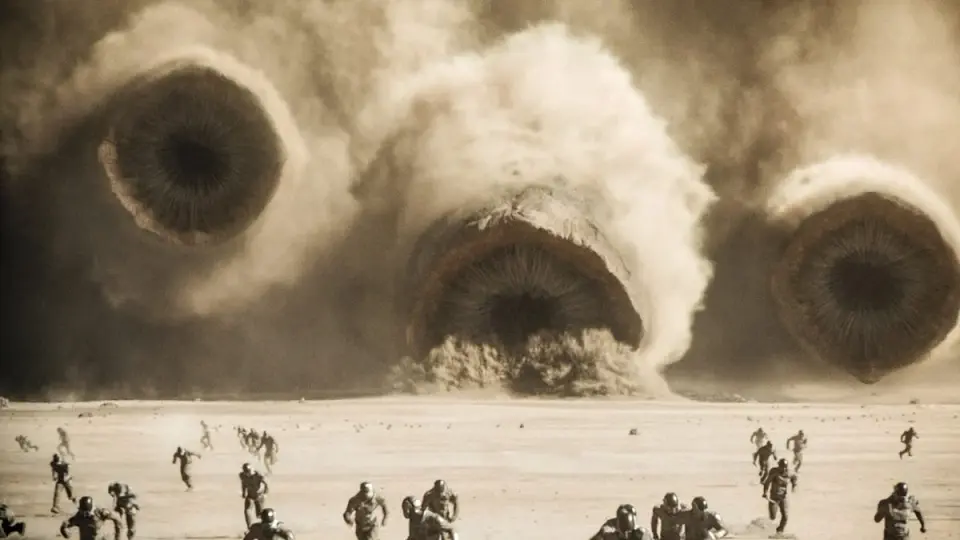
- Krugman compares this dynamic to the sci-fi novel 'Dune,' where control of a vital resource leads to galactic conflict, warning that real-world policy is now influenced by these fears of economic vulnerability.
Background
This analysis follows recent diplomatic efforts to end the war in Ukraine, where U.S. envoys Jared Kushner and Steve Witkoff met with Vladimir Putin and Volodymyr Zelenskyy in early September 2026. Those talks focused on peace terms and sanctions, highlighting how geopolitical conflicts are increasingly intertwined with economic leverage and strategic resource control, a theme Krugman explores in his broader critique of globalization.
Why it matters
Understanding 'weaponized interdependence' is crucial for policymakers and investors, as it reveals how trade agreements and supply chains can become vulnerabilities in times of conflict. This shift from trade as a peace-building tool to a coercive instrument may lead to more fragmented global economies and heightened risks of military escalation over resource access.
What to watch
Krugman plans to deliver the Jean Monnet lecture at the European Central Bank conference on geoeconomics on September 17, 2026, where he will likely expand on the costs of insecurity and the future of international trade in a volatile geopolitical landscape.
- Trade, Peace and War paulkrugman.substack.com
- Trump Pushes Fed to Lower Rates Despite Pressure to Raise Them Bloomberg.com
- Trump keeps heralding an economic boom, but even a solid jobs report is causing problems for him PBS
- Asked about Fed decision, Trump says US should have the lowest rate in the world TradingView
Want the full story? Read the original reporting
Read on paulkrugman.substack.com