
Midterm Shifts Threaten $1 Trillion AI Buildout as Texas Moratorium Looms
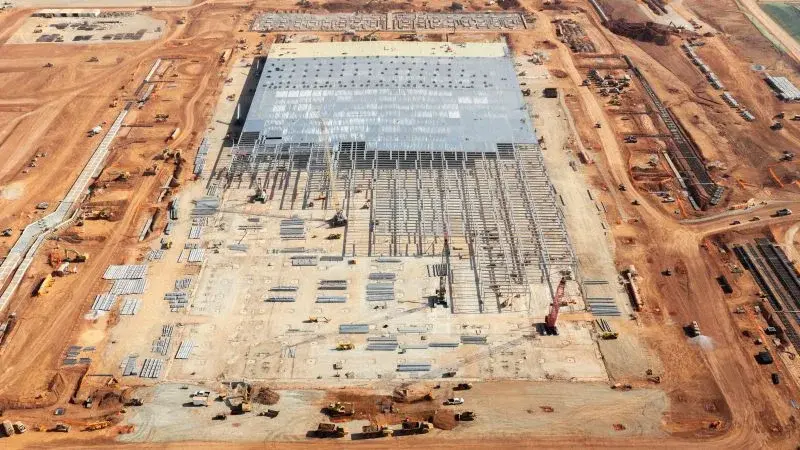
Democratic victories in key states, particularly Texas, have triggered a potential slowdown in the US artificial intelligence infrastructure boom. With AI spending accounting for up to 25% of US economic growth this year, new state-level moratoriums and stricter regulations threaten to disrupt a projected $1 trillion annual investment cycle. While hyperscalers like Microsoft and Amazon remain resilient, debt-funded neocloud companies face severe financial strain due to rising borrowing costs and permitting delays. Analysts warn that while the immediate impact may be limited to 2027, significant disruptions to the AI supply chain could emerge by 2028, potentially forcing a more sustainable but slower pace of technological expansion.
Key points
- Goldman Sachs estimates that states controlled by Democrats supporting AI moratoriums will account for 45% of planned US data center capacity by January 2027.
- Texas, which hosts a quarter of planned US AI infrastructure, is central to the debate; Governor-elect Gina Hinojosa has proposed extending a statewide moratorium on new data center permits.
- Wells Fargo estimates that a 10% reduction in Texas data center capacity could lead to a 1.6% cut in Big Tech AI infrastructure spending, a significant figure given the trillion-dollar scale of investment.
- CoreWeave, a neocloud provider, saw its bond yields surge to 15% and stock prices drop, reflecting fears that its return on investment is insufficient to cover expansion costs.
- Nomura predicts that while 2027 capacity is largely under construction, projects planned for 2028 face greater exposure to regulatory delays and permitting uncertainties.
- RSM US chief economist Joe Brusuelas projects US economic growth may slow from 3.4% to 2.4% if AI spending decelerates, though he does not predict a recession.
Background
This development follows the 2026 midterm elections, where Democrats achieved a historic surge, flipping control of both the House and Senate and winning key gubernatorial races in Texas, Ohio, Georgia, and Nevada. Prior to the election, public opposition to data centers had grown, with over 70% of Americans opposing local construction. The election results marked a decisive shift, with voters passing dozens of local and state measures restricting AI infrastructure, signaling a broader rejection of the rapid expansion of the technology sector.
How outlets are covering it
CNN emphasizes the macroeconomic implications, noting that AI spending has driven a quarter of US growth this year and that a slowdown could curb inflation and unsustainable business models. CNBC focuses on the financial bifurcation between hyperscalers and neoclouds, highlighting how rising borrowing costs disproportionately affect debt-funded companies like CoreWeave. The Atlantic frames the event as a political rebuke of Silicon Valley, noting that tech companies spent hundreds of millions to oppose regulations but lost across multiple states. While CNN and The Atlantic view the slowdown as a potential correction toward sustainability, CNBC and JPMorgan analysts warn of immediate financial instability for smaller AI firms. All sources agree that Texas is the pivotal state, but they differ on the severity of the economic impact, with some viewing it as a manageable slowdown and others as a threat to the entire AI investment cycle.
Why it matters
The outcome of the 2026 midterms directly impacts the pace of one of the largest investment booms in US history. A slowdown in data center construction could alter the trajectory of US economic growth, potentially reducing inflationary pressures but also delaying the deployment of advanced AI capabilities. The financial strain on neocloud companies could lead to a consolidation of the AI infrastructure market, favoring larger, better-capitalized firms. Additionally, the political shift may force tech companies to adopt more community-focused and sustainable practices to maintain their social license to operate, influencing long-term competitive dynamics against global rivals like China.
What to watch
Investors will monitor the specific regulatory actions taken by Governor-elect Gina Hinojosa in Texas, particularly regarding the extension of the data center moratorium and changes to tax incentives. The financial health of neocloud companies like CoreWeave will be a key indicator of the industry's resilience, with potential defaults or restructuring likely if borrowing costs continue to rise. By 2028, the impact of permitting delays on new projects may become more pronounced, potentially forcing a reassessment of AI infrastructure timelines. Hyperscalers may accelerate acquisitions of existing capacity or pivot to more sustainable energy models to mitigate regulatory risks.
- America got the anti-data-center wave it voted for. Here come the economic consequences CNN
- The midterms could fuel the K-shaped AI trade CNBC
- Silicon Valley’s Very Bad Night The Atlantic
- Texas data centers face uncertain future after Hinojosa wins governor’s race Reuters
- The AI boom hits a blue-state roadblock Politico
Want the full story? Read the original reporting
Read on CNN