
Aluminum tariffs and dairy bans ripple through Upstate NY and Canadian supply chains
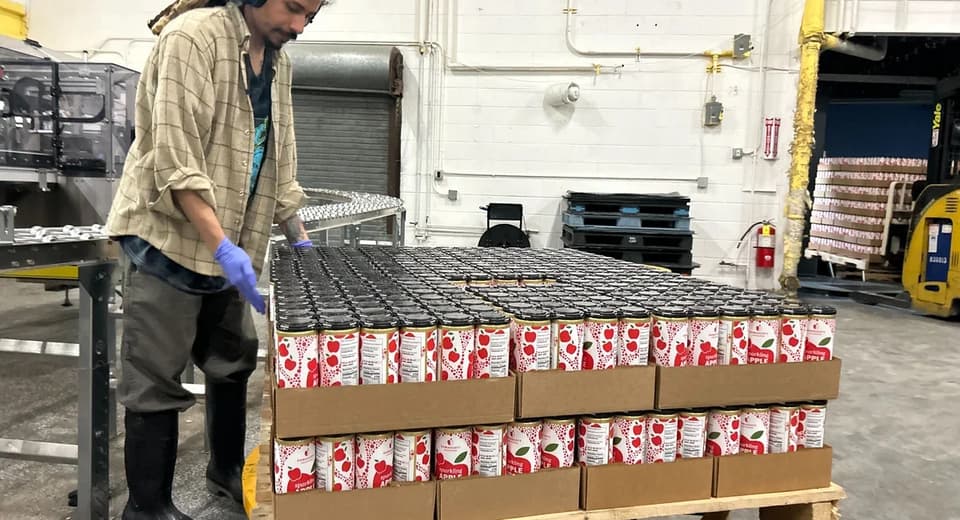
Trump’s 50% tariffs on Canadian steel and aluminum are raising costs for New York businesses, while new import bans on Canadian dairy and beer threaten to disrupt protein supply chains. A North Albany cidery faces a 30% increase in canning costs due to Canadian aluminum sheets, and Canadian whey retailers face soaring prices amid a global shortage. New York Senator Kirsten Gillibrand has introduced legislation to repeal the tariffs, but trade talks collapsed in August, and new import bans take effect on September 29.
Key points
- Nine Pin Ciderworks in North Albany, NY, uses 3.3 million pounds of apples annually but relies on aluminum sheets from Canada for its 2.4 million cans, causing a 30% increase in canning costs.
- The 50% tariff on steel and aluminum imports, imposed by President Trump starting in 2025, has strained profit margins for local businesses like Nine Pin, forcing them to increase credit lines with banks.
- Canadian dairy and whey protein companies face a global shortage and soaring prices due to increased demand for protein, compounded by US tariffs and new import bans on Canadian dairy, beer, and motorcycles taking effect on September 29.
- US Senator Kirsten Gillibrand introduced legislation to repeal the Canadian tariffs, calling them a 'Bad Deal Act' that harms American families and local businesses.
- Trade talks between the US and Canada collapsed in August, and Canada has begun talks to become an 'associate member' of the European Union, while Trump has escalated tensions by renaming Lake Ontario to 'Lake America'.
Background
The US-Canada trade war has been escalating since 2025, with Trump imposing steep tariffs on Canadian goods, including a 50% tariff on steel and aluminum. Canada has retaliated with its own tariffs, and trade talks collapsed in August. The dispute has included nationalist gestures like Trump's proposal to rename Lake Ontario to 'Lake America.' The current situation reflects a broader pattern of economic disruption and political tension between the two countries, with local businesses in both nations feeling the impact of rising costs and supply chain disruptions.
How outlets are covering it
Gothamist focuses on the impact of aluminum tariffs on a local New York cidery, highlighting the 30% increase in canning costs and the strain on profit margins. CBC emphasizes the global shortage of whey protein and the impact of US tariffs on Canadian dairy and protein retailers, noting that prices have doubled since last October. mynbc5.com reports on the broader economic impact on local businesses in Upstate New York, such as a campground facing a 40% decrease in customers and rising costs. All three sources agree that the trade war is causing significant economic strain, but they differ in their focus: Gothamist and mynbc5.com highlight the impact on local US businesses, while CBC focuses on the Canadian side of the trade war and the global protein shortage.
Why it matters
The trade war between the US and Canada is not just a political dispute; it is having tangible effects on local businesses and consumers in both countries. The 50% tariffs on steel and aluminum are raising costs for US businesses that rely on Canadian materials, while the import bans on Canadian dairy and beer are disrupting supply chains and driving up prices for protein products. The collapse of trade talks and the escalation of nationalist gestures like the renaming of Lake Ontario to 'Lake America' suggest that the dispute is unlikely to be resolved quickly, potentially leading to further economic strain and political tension.
What to watch
New import bans on Canadian beer, motorcycles, and dairy products are set to take effect on September 29. Senator Kirsten Gillibrand has introduced legislation to repeal the Canadian tariffs, but it is unclear if it will pass. Trade talks between the US and Canada have collapsed, and Canada has begun talks to become an 'associate member' of the European Union. The impact of the trade war on local businesses and consumers is expected to continue, with costs likely to rise further if the dispute escalates.
- How Trump's trade war with Canada is squeezing a farm cidery in Albany Gothamist
- Canada Goose Is Ensnared in Trump’s Tariff War With Canada The New York Times
- Canadian producers, retailers feel impacts of protein boom as dairy tariffs hit CBC
- Vermont cheesemaker says US-Canada trade war wiped out his business overnight NewsNation
- Local campground sees effects of Trump's Canadian tariffs mynbc5.com
Want the full story? Read the original reporting
Read on Gothamist