
China Withholds Soybean Tariff Relief to Maintain Leverage Over U.S. Farmers
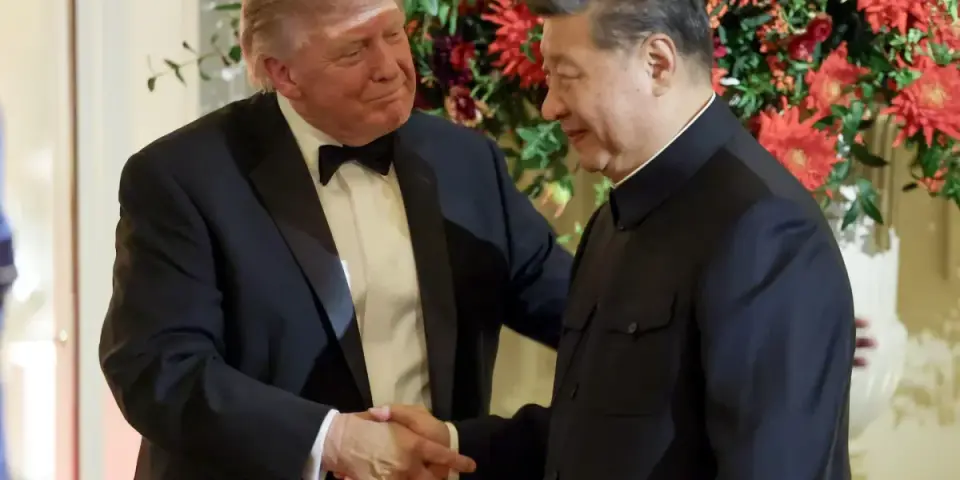
Following the recent U.S.-China summit, Beijing agreed to lower tariffs on $30 billion of American goods but excluded raw soybeans. This omission preserves China’s leverage over U.S. Midwest farmers, who face stiff competition from Brazil and rely on stable Chinese demand for their largest agricultural export.
Key points
- China excluded raw soybeans from a tariff reduction package covering 1,619 U.S. products, despite including seed soybeans and processed by-products.
- The U.S. exported $16.5 billion in soybeans last year, with China as the primary buyer due to its limited arable land.
- Brazil now supplies 71% of China’s soybean imports, having overtaken the U.S. as the top supplier over a decade ago.
- Excluding soybeans allows Beijing to maintain economic pressure on U.S. farmers while demonstrating partial cooperation in trade talks.
- Previous tariffs in 2018 caused $9.4 billion in losses for U.S. soybean farmers, with significant impacts on Iowa and Illinois.
Background
Recent U.S.-China trade tensions have fluctuated, with Trump considering new tariffs in August 2026 after earlier levies were struck down by the Supreme Court. The September summit marked the first U.S. presidential visit to China since 2017, focusing on personal diplomacy amid ongoing competition in tariffs and AI. Prior agreements included China committing to buy 25 million metric tons of soybeans annually from 2026 to 2028, but the current exclusion of raw soybeans from tariff relief signals continued strategic caution by Beijing.
How outlets are covering it
Fortune emphasizes the strategic significance of excluding raw soybeans, highlighting how China uses this omission as a bargaining chip to maintain leverage over U.S. farmers. The outlet notes that while China purchased 1 million tons of U.S. soybeans before the summit, the exclusion keeps the market uncertain and expensive for American growers. No secondary source provided alternative perspectives, as the barchart.com link returned a 403 error, offering no additional analysis or data on the soybean trade dynamics.
Why it matters
The exclusion of raw soybeans from tariff relief underscores the fragility of U.S.-China agricultural trade and the vulnerability of U.S. Midwest farmers to geopolitical shifts. With Brazil dominating China’s soybean imports, U.S. farmers face reduced demand and lower prices, impacting states like Iowa and Illinois. This move by China signals a calculated approach to maintaining economic leverage while avoiding full confrontation, potentially influencing future trade negotiations and agricultural policy in the U.S.
What to watch
U.S. farmers may face continued pressure from reduced Chinese demand and competition from Brazil, potentially leading to further policy adjustments or trade disputes. China’s exclusion of soybeans could serve as a template for other sensitive agricultural products in future negotiations. Monitoring shifts in Chinese import patterns and U.S. government responses to the tariff exclusion will be critical for assessing the trajectory of U.S.-China trade relations.
Want the full story? Read the original reporting
Read on Fortune