
College Graduates Pivot to Skilled Trades Amid AI Uncertainty and Rising Debt
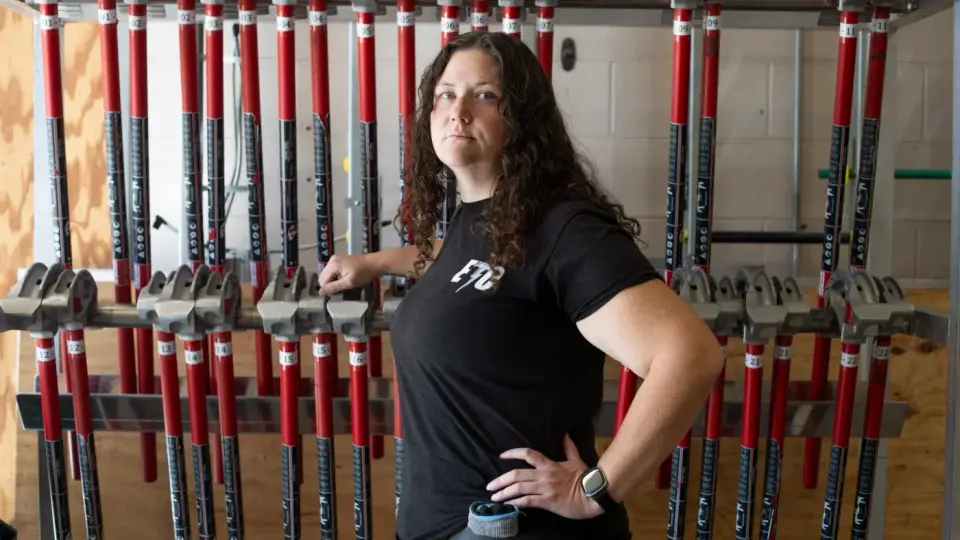
College graduates are increasingly abandoning traditional degree paths for skilled trade apprenticeships, driven by high student debt, uncertain AI-driven job prospects, and the promise of six-figure salaries with benefits. In Columbus, Ohio, enrollment at the Electrical Trades Center has surged from 500 to over 800 apprentices since 2022, fueled by a data center construction boom. While some view this shift as a pragmatic response to economic pressures, others remain skeptical of the environmental and social costs associated with the infrastructure driving this demand.
Key points
- Apprentices at The Electrical Trades Center in Columbus, Ohio, earn a starting wage of $23 per hour, rising to $46 per hour upon completion, with many journeyworkers exceeding $100,000 annually including overtime.
- Enrollment at the center grew from 500 apprentices in 2022 to more than 800 today, with several dozen current students holding four-year degrees and roughly 300 applicants having some college experience.
- The data center construction boom accounts for approximately half of the work in the local jurisdiction, offering incentives such as double or triple time pay, though some apprentices express concerns about the environmental impact of these facilities.
- Ohio Governor-elect Amy Acton has called for a conditional moratorium on new data center construction to ensure developers cover utility costs and adhere to environmental standards, reflecting broader tensions around the sector's expansion.
- Senator Mario Mattera in New York highlights a 15% increase in vocational education enrollment, urging parents to consider trades as a viable alternative to college debt amid AI-driven job displacement in white-collar sectors.
Background
This trend follows earlier reports indicating that the lifetime cost of the American Dream has reached $5.32 million in 2026, leaving bachelor's degree holders with a projected $1.2 million shortfall, which may be driving individuals to seek higher-wage, lower-debt career paths. Additionally, recent defense sector reforms emphasizing AI integration in military education underscore the broader societal shift toward technological adaptation, potentially influencing perceptions of traditional academic careers.
How outlets are covering it
NPR emphasizes the personal financial and professional satisfaction of college graduates transitioning to trades, highlighting the rigorous, college-level curriculum and the tangible rewards of hands-on work. In contrast, The South Shore Press focuses on the macroeconomic threat of AI to traditional professions, with Senator Mario Mattera framing trades as a stable refuge from technological disruption. While both sources agree on the growing appeal of apprenticeships, NPR notes internal debates among apprentices about the environmental costs of data center work, whereas the New York perspective focuses more on the immediate economic security and union benefits without addressing the sustainability concerns of the driving infrastructure projects.
Why it matters
The shift of college-educated individuals into skilled trades signals a fundamental change in American labor dynamics, challenging the traditional 'college or bust' mentality. This trend offers a potential solution to the skilled labor shortage and rising student debt crisis, but it also raises questions about the long-term sustainability of the data center boom driving current demand. As AI continues to disrupt white-collar jobs, the resilience of hands-on trades may become a critical factor in economic stability for the next generation of workers.
What to watch
Expect continued growth in apprenticeship programs as vocational education enrollment rises and more college graduates seek alternatives to traditional degree paths. Policy debates around data center construction, including potential moratoriums or stricter environmental regulations, may influence the pace of this boom. Additionally, increased collaboration between unions and vocational schools, such as the direct recruitment efforts highlighted by Senator Mattera, could further accelerate the pipeline of skilled workers into the trades.
Want the full story? Read the original reporting
Read on NPR