
Economists warn Treasury bond buybacks risk a dollar devaluation spiral
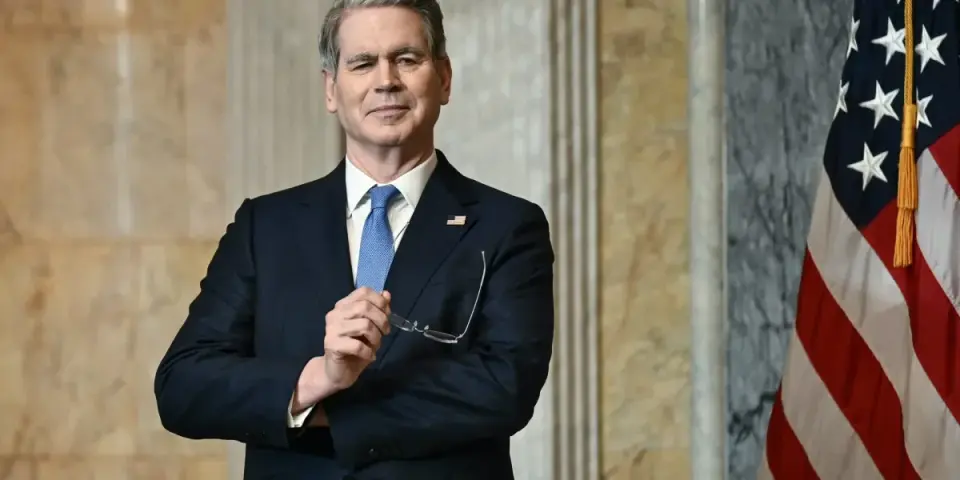
Treasury Secretary Scott Bessent’s plan to double long-term bond buybacks has triggered a 'debasement trade,' with some economists warning it could trigger a currency devaluation spiral similar to Japan's, while others view it as a temporary fix for a broader debt supply crisis.
Key points
- The Treasury announced it would at least double its long-term bond buybacks, starting September 9 and running through November 4, following the 30-year yield hitting a 20-year high.
- Robin Brooks of the Brookings Institution warned that the move ignores the underlying $2 trillion fiscal deficit, potentially morphing a debt crisis into a currency crisis and causing the dollar to enter a devaluation spiral.
- JPMorgan’s James Sullivan compared the strategy to refinancing a mortgage with a credit card, noting it shifts the problem to the future without addressing the mounting wall of government and corporate debt.
- Foreign demand for U.S. debt is waning, with China’s Treasury holdings at an 18-year low and overall foreign government custody at a 14-year low.
- The U.S. fiscal deficit is on track to reach $2 trillion this year, while total government debt stands at approximately $40 trillion.
Background
In late August 2026, the Treasury unexpectedly raised its long-term bond buyback cap from $2 billion to at least $4 billion to ease market stress. This move, dubbed the 'Bessent Bid,' initially pushed the 30-year yield down to about 5.20% but quickly faded as yields rallied and inflation expectations rose. The administration has signaled potential further expansions of the program while previewing a push for fiscal consolidation and tariff-driven revenue to address the mounting debt.
How outlets are covering it
Fortune highlights Robin Brooks' warning that the buyback scheme is mere financial engineering that fails to address the deficit, risking a currency crisis similar to Japan's. Conversely, Capital Economics' Jonas Goltermann argued that debasement fears are overblown and predicted the dollar would strengthen due to a robust U.S. economy, though he noted unconventional policies could change this outlook. CNBC reported JPMorgan's James Sullivan's view that the intervention is a temporary mismatch that does not solve the core issue of surging global debt supply and waning foreign demand. LPL Financial's Lawrence Gillum characterized the yield rise as a necessary normalization rather than a crisis, but acknowledged that the steep deficit and fresh debt issuance from AI hyperscalers will likely keep yields front and center.
Why it matters
The debate over the Treasury's intervention highlights the tension between managing borrowing costs and maintaining currency stability. If the buyback fails to address the underlying fiscal deficit, it could lead to a loss of confidence in the dollar, impacting global asset allocation and increasing the cost of capital for both governments and corporations.
What to watch
The Treasury's expanded buyback program is set to run from September 9 to November 4. Markets will watch for further unconventional policy ideas and the impact of surging corporate debt issuance, particularly from AI infrastructure, on bond yields and the dollar's value.
- Scott Bessent is 'playing with fire' as Treasury debt buyback scheme risks dollar devaluation spiral Fortune
- U.S. bond intervention is like 'paying your mortgage with your credit card,' JPMorgan's Sullivan says CNBC
- The Wild Week When Scott Bessent Was Schooled by the Bond Market WSJ
- Week of Whiplash in Treasuries Is Closing With Traders on Pause Bloomberg.com
- Morning Bid: So much for the Bessent bid Reuters
Want the full story? Read the original reporting
Read on Fortune