
Fuel Prices Stay High as Global Refinery Capacity Crater
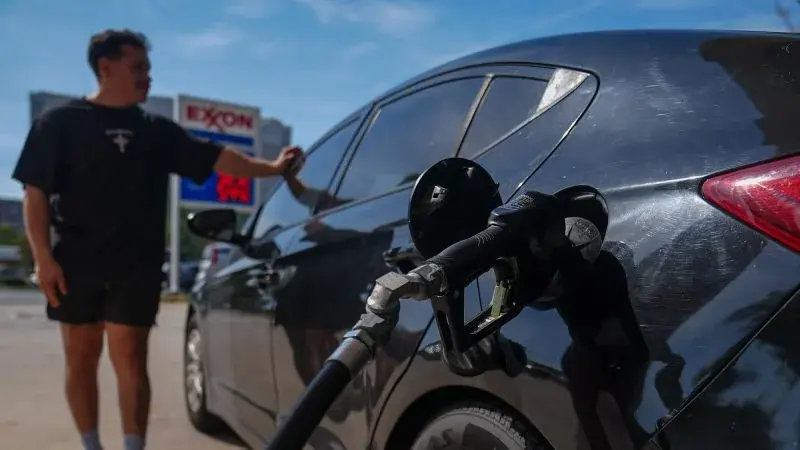
Despite the reopening of the Strait of Hormuz, gasoline and diesel prices remain near record highs due to a global refining crisis. While crude oil flows have recovered, the cost of transporting fuel has skyrocketed, and refinery capacity has dropped by up to 10% due to war damage, drone attacks, and export restrictions. Depleted global stockpiles and elevated insurance costs are keeping prices elevated, with analysts warning that normalcy may take years to return.
Key points
- US gasoline prices average $4.36 per gallon, a record high for this time of year, while diesel is near all-time highs.
- The cost to hire a supertanker for the Persian Gulf-to-China route has surged from $65,000 to $1.6 million per day.
- Global refinery capacity has declined by up to 10%, driven by Ukrainian drone strikes on Russian refineries and Houthi attacks in the Red Sea.
- The US Strategic Petroleum Reserve is at its lowest level since 1982, with global inventories down by approximately 450 million barrels since the conflict began.
- Real-world crude prices (Dated Brent) are $135.74 per barrel, significantly higher than the $100 futures price, reflecting logistical and security premiums.
Background
This situation follows a series of emergency stock releases by the G7 and IEA in late September and early October. While crude oil exports from the Gulf have recovered to over 81% of pre-war levels, refined product flows remain constrained. Previous coverage noted that Saudi Arabia’s East-West pipeline has restored flows, but security threats and thin inventories continue to drive volatility. The current crisis represents a shift from a simple oil supply crunch to a broader energy system constriction involving multiple simultaneous conflicts.
How outlets are covering it
CNN emphasizes the 'real-world' cost of energy, highlighting that the physical cost of moving crude has spiraled from $2 to $33 per barrel due to security risks, sailor wages, and insurance. This explains the gap between financial market prices and consumer pump prices. The Federal Reserve Bank of Dallas focuses on the structural 'refining shock,' noting that crack spreads (the difference between crude and refined fuel prices) have exceeded levels seen after the 2022 Russia-Ukraine invasion. The Fed highlights that long-term underinvestment in Western refineries and the closure of older facilities have left the market with no buffer, meaning high prices will persist even if the Strait of Hormuz normalizes. While CNN focuses on the immediate logistical nightmare, the Fed points to a deeper, longer-term structural deficit in global refining capacity.
Why it matters
The persistence of high fuel prices despite the reopening of key shipping lanes indicates that the global energy system is facing a structural, not just a temporary, crisis. With inventories at multi-decade lows and refinery capacity significantly reduced, the risk of further price spikes and supply shortages is elevated. This could lead to higher inflation, reduced consumption, and economic strain for consumers and businesses globally, potentially lasting for years as damaged infrastructure is rebuilt and new capacity is developed.
What to watch
Analysts suggest that prices will remain elevated until at least two of the three ongoing conflicts (US-Iran, Yemen-Houthi, Ukraine-Russia) are resolved. The US Strategic Petroleum Reserve could face viability issues within six months if current draw rates continue. Hurricane Isaias poses an additional risk to US Gulf Coast refineries, which are already operating near capacity. Global inventories are expected to continue declining, potentially leading to greater price volatility and curtailed consumption in the coming year.
- If the Strait of Hormuz is open, why are gas and diesel so expensive? CNN
- Why are gas prices still high even as traffic improves in the Strait of Hormuz? ABC News - Breaking News, Latest News and Videos
- The Global Diesel Crisis, Explained Foreign Policy
- Refinery outages pumping up fuel prices more than cost of crude oil Federal Reserve Bank of Dallas
- Who will the diesel crisis hit first? DW.com
Want the full story? Read the original reporting
Read on CNN