Michigan gas prices have cooled from late-April highs, but GasBuddy analyst Patrick De Haan warns a Monday price spike is likely amid refinery disruptions and broader energy concerns, including a Chalmette refinery incident; Michigan is prone to price cycling where stations cut prices only to raise them again.
Gasoline prices in the US are rapidly increasing, with the national average climbing 11 cents in the past week to $3.28 a gallon, the highest in nearly three months. This rise is attributed to both normal factors such as increased demand and the switch to more expensive summer fuel, as well as abnormal factors like refinery outages limiting supply. The trend could complicate the Federal Reserve's efforts to control inflation and challenge the White House's economic message. Experts predict that gas prices will continue to rise, potentially reaching between $3.50 and $3.75 a gallon this summer, barring any major disruptions in crude oil supply.
Gas prices are rapidly rising across the US, reaching a national average of $3.28 per gallon, due to a combination of normal seasonal increases in demand and the switch to more expensive summer fuel, as well as unexpected refinery outages. Experts predict prices will continue to rise, potentially reaching between $3.50 and $3.75 per gallon this summer, with the possibility of further spikes if major disruptions occur in the Middle East. This trend poses challenges for consumers and policymakers, impacting inflation and the Biden administration's economic messaging.
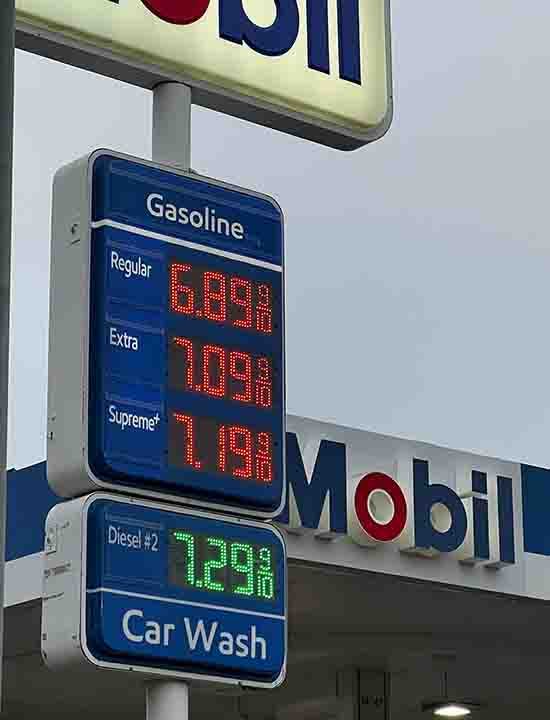
Gas prices in California are nearing $7 per gallon at some pumps, with the average cost at the pump in the state being $6.032, the highest in the nation. Refinery outages, including power outages caused by Hurricane Hilary and problems at Chevron refineries, along with scheduled maintenance at the PBF Torrance refinery, have contributed to the increase in prices. Meanwhile, the national average for a gallon of gas is $3.835, with Mississippi having the lowest state average at $3.255.
Diesel markets are tightening due to refinery outages, changing global oil trade flows, low inventories, and increased demand from the trucking industry. This tightening is expected to raise diesel prices, which could lead to inflationary pressures and potentially impact the broader economy. The low inventories and refinery maintenance are also expected to reduce distillate fuel oil supplies to the East Coast, increasing demand for heating oil during the winter. Globally, oil inventories are falling, and OPEC+ production cuts are restricting the supply of sour crudes, which have higher yields of diesel and other distillate fuels. With larger-than-normal distillate draws expected in the U.S. and a tentative recovery in the trucking industry, diesel prices are set to rise, potentially impacting inflation forecasts and leading to higher interest rates.