
Halloween Candy Prices Hit Record Highs as Cocoa Shortages and Tariffs Squeeze Households
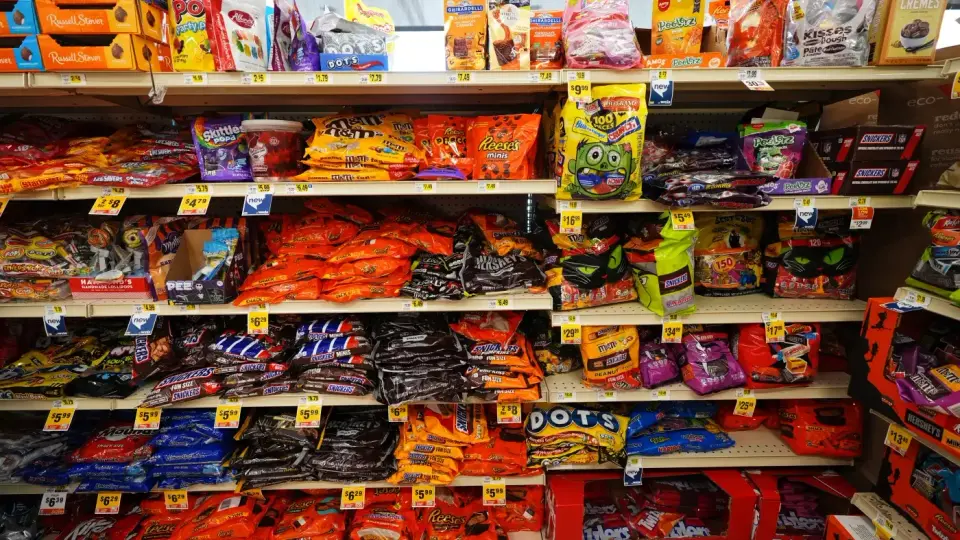
Halloween candy prices have surged 7.7% year-over-year, driven by cocoa supply shocks, fuel costs, and tariffs. While total spending is projected to hit a record $13.5 billion, individual households are cutting back, with some skipping the tradition entirely due to affordability concerns.
Key points
- Candy and gum prices rose 7.7% in the past year and 18% over two years, outpacing average food inflation, according to federal data cited by NPR.
- The National Retail Federation projects total Halloween spending will reach a record $13.5 billion, up 3% from last year, with an average of $115 per person.
- Cocoa prices remain high due to drought and heavy rains in West Africa, though global production is rebounding; however, consumer prices are 'sticky' due to production lags.
- Manufacturers face additional costs from higher sugar prices, fuel surcharges linked to the war in Iran, and U.S. tariffs, including a 50% tariff on some Canadian packaging materials.
- A survey of 182 Richmond-area residents found that over a third are buying less candy or switching to cheaper brands, while 45% report no change in their plans.
- Candy sales dropped 6.7% in the month ending October 17, 2026, despite rising aggregate spending, indicating a squeeze on household budgets.
Background
Previous coverage noted that Halloween candy prices surged 8.1% year-over-year in early October, driven by a 15.5% increase in chocolate costs. Despite broader economic pressures, Americans remained committed to purchasing treats, with 96% of shoppers planning to buy sweets. Recent data shows a 6.7% drop in early candy sales, reflecting consumer caution amid high gas and cocoa costs.
How outlets are covering it
NPR emphasizes the structural drivers of high prices, including cocoa supply shocks, fuel costs, and tariffs, while noting that chocolate candy sales have increased for several years despite higher costs. Axios highlights the local divide in Richmond, where some residents are stocking up on over 1,000 pieces of candy for large crowds, while others are rationing or skipping the tradition due to dwindling trick-or-treaters and rising costs. The New York Times focuses on the human impact, with one retired couple considering turning off their porch light to avoid the cost of buying candy, illustrating the strain on tight household budgets.
Why it matters
The rising cost of Halloween candy reflects broader inflationary pressures and supply chain disruptions, impacting consumer behavior and household budgets. While total spending is at a record high, individual households are making difficult choices, with some skipping traditions or switching to cheaper alternatives. This trend highlights the tension between cultural traditions and economic realities, as well as the impact of global supply shocks and trade policies on everyday consumer goods.
What to watch
Cocoa prices are expected to moderate as global production rebounds, but consumer prices may remain elevated due to production lags. Manufacturers are likely to continue reformulating products and promoting non-chocolate alternatives to manage costs. Consumer behavior may shift further toward smaller packs or cheaper brands as the holiday approaches, with some households potentially skipping the tradition entirely.
- Candy prices got you scared stiff? What to know about the cost of Halloween this year NPR
- Richmond's Halloween candy divide: Too many kids or too few Axios
- Trick or Treat, Smell My Feet, This Economy Ain’t So Sweet Bloomberg.com
- The Scariest Part of Halloween This Year? The Candy Prices. The New York Times
- Here’s why Halloween spending is hitting an all-time high, as 1 in 5 shoppers are financing the fun Cleveland.com
Want the full story? Read the original reporting
Read on NPR