
Iran War Drives Heating Oil Costs Up 50%, Exposing Gaps in Federal Aid
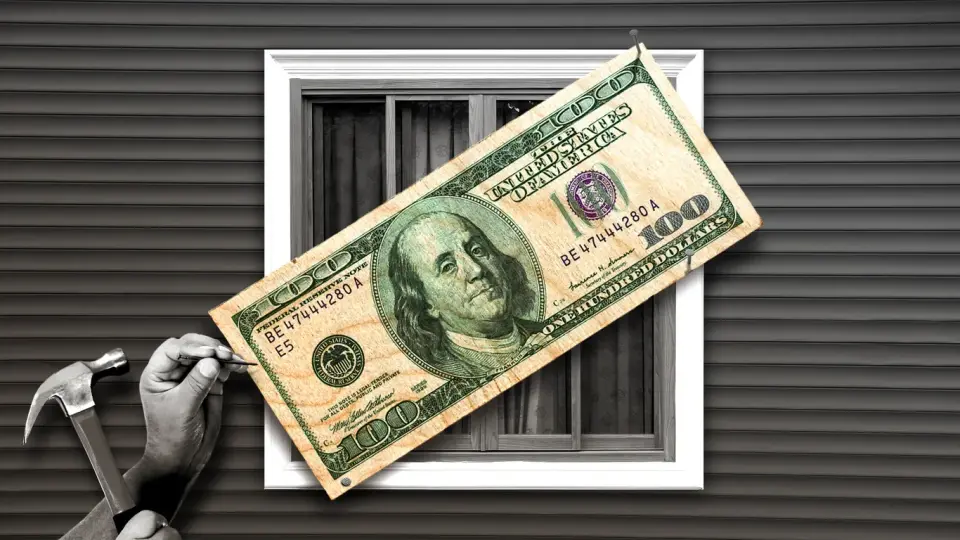
The ongoing conflict in Iran is driving a sharp increase in U.S. heating oil costs, with the National Energy Assistance Directors Association (NEADA) projecting a 50% rise for this winter. This surge, which adds approximately $878 to the average household bill, is significantly steeper than the 21% increase projected by the Energy Information Administration. While natural gas and electricity costs are expected to remain relatively stable or decline, heating oil users in the Northeast face a severe affordability crisis. Federal assistance through the Low Income Home Energy Assistance Program (LIHEAP) remains insufficient, leaving many low-income households with a shortfall of over $500 per year. State governments in the Northeast are declaring energy emergencies to deploy emergency funds, but experts warn that current federal funding levels are inadequate to offset the price spike caused by global supply disruptions.
Key points
- NEADA estimates heating oil costs will rise by 50% this winter, adding roughly $878 to the average bill, compared to a 21% increase projected by the Energy Information Administration.
- The average cost to heat a home with oil is expected to exceed $2,600, with Northeastern households bearing the brunt as 82% of U.S. heating oil is consumed in the region.
- LIHEAP benefits, averaging $467 in fiscal year 2025, leave low-income families with a shortfall of more than $500 against rising costs, prompting NEADA to urge Congress to double funding from $4 billion to $7 billion.
- Massachusetts Governor Maura Healey declared a State of Energy Emergency, unlocking nearly $150 million in relief, while Rhode Island and Maine also announced emergency measures to assist residents.
- The Trump administration’s dismantling of LIHEAP’s federal staff in April 2025 has left state administrators without dedicated federal support, exacerbating the crisis despite the program’s continued operation.
Background
This development follows a series of reports in September 2026 highlighting the economic fallout of the Iran War. Earlier coverage noted a 68% spike in heating oil prices in Pennsylvania’s Lehigh Valley and legislative efforts in the House to curb U.S. military action in Iran, with the Congressional Budget Office estimating the war has cost over $38 billion. The current surge in heating costs represents a direct consequence of the conflict’s impact on global oil markets, with crude oil trading above $100 per barrel. The situation has intensified since mid-September, when NEADA initially projected a 31.3% increase, before revising its estimate upward to 50% in late September due to worsening supply conditions.
How outlets are covering it
Axios emphasizes the disparity between heating oil and other fuel types, noting that while electricity and natural gas costs are expected to rise or fall modestly, heating oil faces a 50% surge. Axios also highlights the political dimension, pointing to the Trump administration’s reduction of LIHEAP staff and the subsequent state-level emergency declarations. WBAL-TV focuses on the inadequacy of LIHEAP benefits, stressing that the average benefit of $467 leaves families with a shortfall of over $500, and calls for increased federal funding. Yahoo Finance, though its content is largely obscured by technical errors, appears to frame the issue as a broader 'sticker shock' for consumers amid an oil crisis, aligning with the market-driven narrative of the other sources. All three outlets agree on the severity of the price increase but differ in emphasis: Axios on policy and state responses, WBAL-TV on the gap between aid and costs, and Yahoo Finance on the consumer impact.
Why it matters
The 50% increase in heating oil costs threatens to push millions of low-income households into energy poverty, forcing them to choose between heating, food, and medicine. The inadequacy of LIHEAP benefits, combined with the federal government’s reduction of program staff, leaves states with limited tools to protect consumers, particularly in the Northeast where heating oil is the primary fuel source. This crisis underscores the broader economic impact of the Iran War on U.S. households and highlights the need for increased federal funding to prevent a winter of energy hardship.
What to watch
Congress is expected to debate NEADA’s request to increase LIHEAP funding from $4 billion to $7 billion. State governments in the Northeast will likely continue to deploy emergency funds and expand assistance programs to middle-class households. The White House and HHS will need to address the staffing gaps in LIHEAP to ensure timely distribution of funds. As the Iran War continues, global oil markets will remain volatile, potentially further impacting heating oil prices.
- A brutal winter heating bill is coming for some homes Axios
- ‘A very expensive winter.’ Home heating oil prices soar as household expenses already reach breaking point. The Boston Globe
- Northeast Democrats urge Trump administration action as heating oil costs surge Reuters
- LIHEAP heat benefits may fall short as winter bills jump, new data shows WBAL-TV
- 'A lot of sticker shock': Home heating costs soar for millions amid oil crisis Yahoo Finance
Want the full story? Read the original reporting
Read on Axios