Tag

Liheap

All articles tagged with #liheap

Iran War Drives Heating Oil Costs Up 50%, Exposing Gaps in Federal Aid
economy14 days ago

Iran War Drives Heating Oil Costs Up 50%, Exposing Gaps in Federal Aid

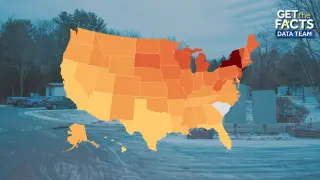
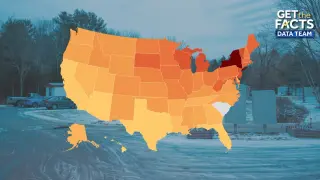
The ongoing conflict in Iran is driving a sharp increase in U.S. heating oil costs, with the National Energy Assistance Directors Association (NEADA) projecting a 50% rise for this winter. This surge, which adds approximately $878 to the average household bill, is significantly steeper than the 21% increase projected by the Energy Information Administration. While natural gas and electricity costs are expected to remain relatively stable or decline, heating oil users in the Northeast face a severe affordability crisis. Federal assistance through the Low Income Home Energy Assistance Program (LIHEAP) remains insufficient, leaving many low-income households with a shortfall of over $500 per year. State governments in the Northeast are declaring energy emergencies to deploy emergency funds, but experts warn that current federal funding levels are inadequate to offset the price spike caused by global supply disruptions.
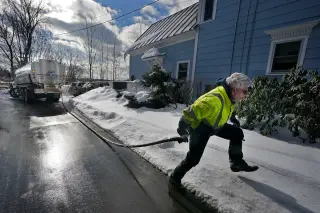
Winter heating costs surge 113% as LIHEAP benefits leave low-income families facing a $500 gap
economy15 days ago

Winter heating costs surge 113% as LIHEAP benefits leave low-income families facing a $500 gap

U.S. households face an average winter heating bill of $1,030, up $82 from last year, while Low Income Home Energy Assistance Program (LIHEAP) benefits average only $467. This leaves a shortfall of over $500 for nearly 5 million assisted households. Heating oil prices have spiked 113% year-over-year to $4.79 per gallon due to Middle East conflicts and supply disruptions. NEADA urges Congress to triple LIHEAP funding from $4 billion to $7 billion to prevent utility delinquencies.

Heating Oil Crisis: Northeast Households Face $1,000 Winter Bill Spike
economy16 days ago

Heating Oil Crisis: Northeast Households Face $1,000 Winter Bill Spike

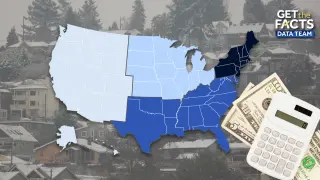
Heating oil costs in the U.S. have surged 113% year-over-year, reaching $4.79 per gallon at New York Harbor. This spike, driven by global diesel shortages and Middle East conflict, is projected to add nearly $1,000 to winter bills for Northeast households. Low-income families face a critical shortfall as LIHEAP assistance remains capped, prompting calls for emergency federal funding.

Heating oil prices spike 113% as LIHEAP benefits leave low-income families with a $500 winter gap
economy16 days ago

Heating oil prices spike 113% as LIHEAP benefits leave low-income families with a $500 winter gap

U.S. households face an average heating bill of $1,030 this winter, an $82 increase from last year, driven by crude oil prices above $100 per barrel due to the Middle East conflict. Low-income families receiving LIHEAP assistance, which averages $467, face a shortfall of over $500. Heating oil costs have surged 113% year-over-year, reaching $4.79 per gallon, leaving Northeastern households with potential out-of-pocket costs exceeding $1,000 after assistance.

Heating oil costs surge 50% as LIHEAP benefits lag behind rising energy bills
economy16 days ago

Heating oil costs surge 50% as LIHEAP benefits lag behind rising energy bills

U.S. households face a 50% jump in heating oil costs this winter, driven by Middle East conflict and oil prices above $100 per barrel. While average heating costs rise to $1,030, LIHEAP benefits remain around $467, leaving low-income families with a shortfall of over $500. NEADA urges Congress to increase funding from $4 billion to $7 billion to address the crisis.

Heat of summer pushes cooling bills higher as Americans brace for rising energy costs
business4 months ago

Heat of summer pushes cooling bills higher as Americans brace for rising energy costs

Higher temperatures and increased air-conditioning use are expected to boost U.S. electricity bills by about 10.5% this June–September, averaging $792, as inflation persists and wages lag. Many households are seeking LIHEAP aid, but eligibility varies and summer cooling subsidies are limited. With only partial summer disconnection protections, families are cutting AC use, weathering higher costs, or seeking extra work while DOE energy-saving tips offer ways to curb bills.

"Record Heat Waves to Spike Summer Cooling Costs by 8%"
economy2 years ago

"Record Heat Waves to Spike Summer Cooling Costs by 8%"

The cost of cooling American homes this summer is projected to reach a 10-year high, with an average of $719, driven by extreme heat and reduced federal funding for energy assistance programs. This increase is expected to disproportionately affect low-income households, many of whom may face utility shut-offs or debt to cover their bills. The National Oceanic and Atmospheric Administration predicts 2024 will be among the warmest years on record, exacerbating the financial strain on vulnerable families.

"Community Agency Group Provides Aid for Power Bill Assistance"
community-assistance2 years ago

"Community Agency Group Provides Aid for Power Bill Assistance"

Alabama Power extends payment deadline to March 15, but some customers facing doubled bills can seek assistance through Project Share and the ABC Trust Fund. The Community Action Agency of Northeast Alabama offers help through the Low Income Home Energy Assistance Program (LIHEAP) and crisis assistance for elderly, disabled, and households with children under 18. Spots for assistance are filling up fast, so it's recommended to reach out as soon as possible.

Heat-related deaths rise as states cut cooling aid for the poor
social-issues3 years ago

Heat-related deaths rise as states cut cooling aid for the poor

Over 30 million low-income households in the US eligible for federal funding to help with air conditioning costs have not received any money from the Low Income Home Energy Assistance Program (LIHEAP), which was created to protect vulnerable people from dangerous temperatures. An analysis of federal records shows that in 16 states, not a single household received cooling assistance from 2001 to 2021. The program has primarily focused on providing heating assistance, leaving a significant imbalance between cold- and hot-weather aid. Experts argue that the lack of cooling assistance reflects shortcomings in US and state policies to address the increasing dangers of extreme heat, which is responsible for more deaths than other weather-related disasters.