
Lettuce Prices Crash 16% as Cyclospora Outbreak Drives Record Demand Collapse
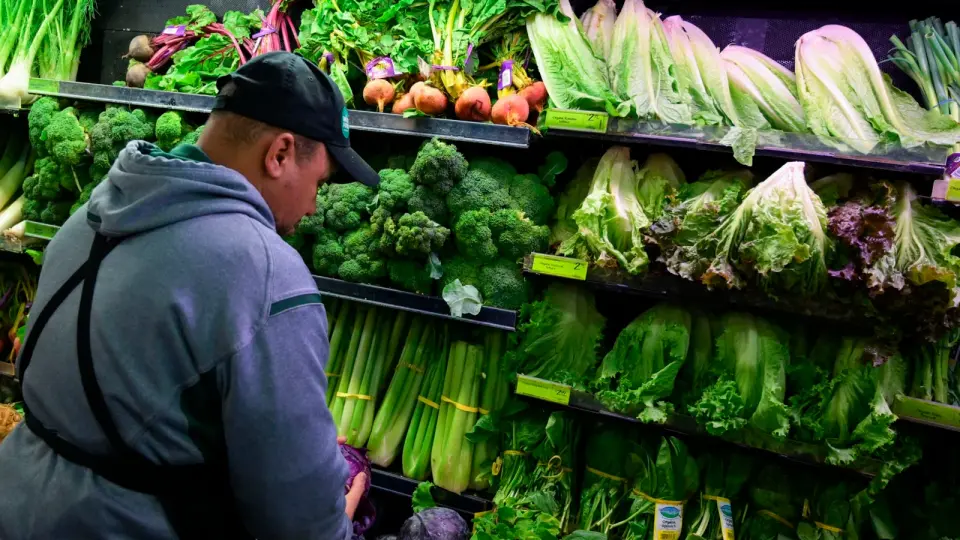
Lettuce prices fell 16.4% in July, the largest monthly drop on record, as consumers avoided the vegetable due to a multistate cyclospora outbreak. The FDA linked the illness to iceberg lettuce from Taylor Farms in Mexico, which has since been recalled. While prices are now down, they remain 7.5% higher than a year ago due to prior cost spikes from fertilizer and labor issues. Restaurant chains like Chipotle and Sweetgreen reported sales declines, though some see recovery. Experts note that while the immediate risk is lower, vigilance remains necessary as new clusters are investigated.
Key points
- Lettuce prices dropped 16.4% in July, the steepest month-over-month decline in Bureau of Labor Statistics history.
- The price crash is attributed to consumer avoidance of lettuce following a cyclospora outbreak that sickened over 22,000 people across 15 states.
- The FDA identified iceberg lettuce processed by Taylor Farms in central Mexico as the likely source, leading to a voluntary recall in July.
- Despite the recent drop, lettuce prices are still 7.5% higher than a year ago, driven by earlier increases in fertilizer and labor costs.
- Restaurant chains including Chipotle, Sweetgreen, and Cava reported sales impacts, though some executives indicate sales are beginning to rebound.
- Michigan, the hardest-hit state, reported over 12,000 cases and two deaths, but new cases have declined since late July.
Background
This outbreak follows a period of rising lettuce prices in early 2026, driven by fertilizer costs linked to the Iran conflict and labor costs increased by mass deportations. Earlier in August, Michigan officials confirmed two deaths linked to the outbreak, both of whom had underlying conditions. The current price collapse mirrors previous boom-and-bust cycles seen in egg prices during avian flu outbreaks, where supply shocks are followed by demand-driven price drops.
How outlets are covering it
CNBC emphasizes the economic impact, highlighting the record price plunge and the paradox that consumers are not buying cheaper lettuce due to safety fears. WIRED focuses on the public health timeline, noting that while the primary source is recalled, new clusters involving other produce are emerging, and it details the lag in symptom onset. The Conversation provides a scientific perspective, explaining how cyclospora spreads via sewage-contaminated irrigation water, noting that standard sewage treatment does not fully eliminate the parasite, and highlighting the role of drought and climate change in increasing risk.
Why it matters
The cyclospora outbreak demonstrates how food safety crises can rapidly disrupt market prices and consumer behavior, even when the immediate health risk is mitigated by recalls. It highlights vulnerabilities in the supply chain, particularly regarding the use of treated sewage for irrigation and the complexity of tracing contamination in mixed salad products. The economic fallout, including reduced restaurant traffic and adjusted corporate outlooks, underscores the significant financial impact of public health events on the food industry.
What to watch
Health officials are monitoring new clusters of cyclosporiasis and a separate salmonella outbreak linked to jalapeños. Restaurant chains are tracking sales recovery, with some executives reporting improved trends. Michigan health officials have advised residents that they can resume normal food handling practices as case numbers decline. Researchers are developing better methods to detect cyclospora in sewage to improve future outbreak surveillance.
- 'Nobody wants it': Lettuce prices see record-setting plunge as cyclospora spooks consumers cnbc.com
- Philadelphia has seen nearly two dozen cyclosporiasis cases this year Inquirer.com
- Is It Safe to Eat Lettuce Yet? WIRED
- Cyclospora spreads through human waste – so how did it get on food? The Conversation
- Michigan cyclosporiasis cases rise 11% in a week, even as new cases slow Reuters
Want the full story? Read the original reporting
Read on cnbc.com