
U.S. July Deficit Hits Five-Year High at $432 Billion Amid Medicare Surge
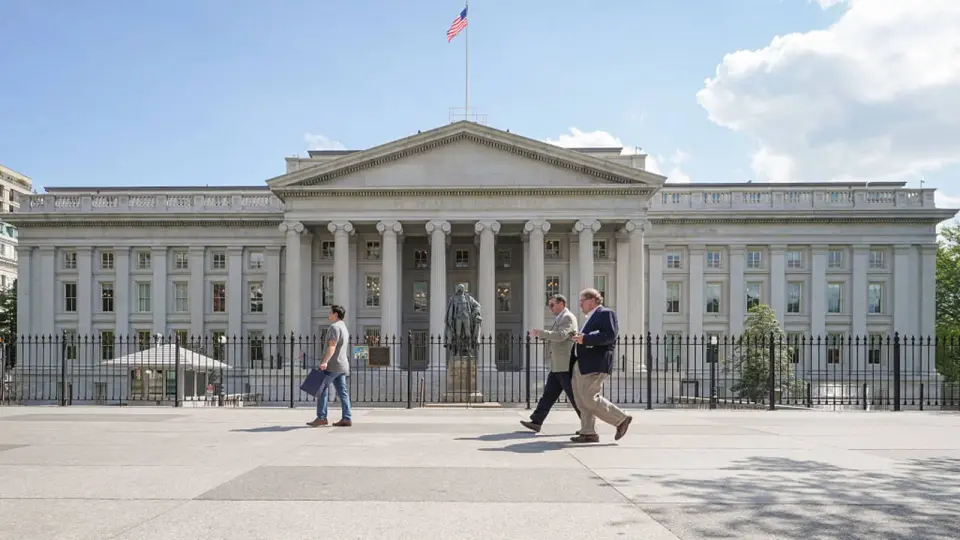
The U.S. federal budget deficit reached $432.3 billion in July 2026, marking the highest monthly level since March 2021. This surge was driven primarily by a sharp increase in Medicare costs, which totaled $174 billion, and significant interest payments on the national debt. The year-to-date deficit for the fiscal year has now exceeded $1.8 trillion, surpassing the same period in 2025. While timing shifts and tariff refunds complicated the figures, the underlying trend indicates rising fiscal pressure.
Key points
- July 2026 deficit totaled $432.3 billion, up 48% from July 2025.
- Medicare spending jumped to $174 billion in July, becoming the largest single expenditure.
- Net interest on the national debt reached $931 billion for the fiscal year to date.
- Tariff refunds cost the government $33 billion in July following Supreme Court rulings.
- The 12-month rolling deficit stands at $1.9 trillion, or 6.1% of GDP.
Background
Recent fiscal trends have been influenced by trade policy shifts and benefit adjustments. Earlier this year, the U.S. trade gap widened in May 2026, while SNAP enrollment dropped significantly following legislative changes. These factors contribute to the broader economic landscape affecting federal revenues and expenditures.
How outlets are covering it
CNBC emphasizes the record-high monthly deficit and the impact of Medicare and debt financing, noting that timing shifts accelerated payments. The Committee for a Responsible Federal Budget (CRFB) provides a more nuanced view, adjusting for timing shifts to show a 'true' July deficit of $333 billion. CRFB also highlights that CBO estimates the full-year FY 2026 deficit at $2.1 trillion, driven by lower-than-expected tariff revenues due to the Supreme Court's decision on IEEPA tariffs. While both sources agree on the high deficit, CRFB places greater weight on the structural impact of tariff revenue losses and tax increases, whereas CNBC focuses on the immediate monthly spike and interest rate dynamics.
Why it matters
The rising deficit and debt servicing costs threaten long-term fiscal stability. With interest payments now a major budget component, future policy flexibility may be constrained. The discrepancy between reported and adjusted deficits highlights the complexity of fiscal timing, but the overall trend of increasing borrowing raises concerns about sustainability, especially as inflation remains above the Federal Reserve's target.
What to watch
The Treasury Department is expected to confirm the full-year FY 2026 deficit, with CBO estimating it at $2.0 to $2.1 trillion. Markets are currently not pricing in any Federal Reserve rate cuts for the next five years, suggesting sustained high interest costs. Future budget decisions will likely focus on managing debt servicing and addressing the revenue shortfall from tariff refunds.
- U.S. budget deficit surged in July to highest level since March 2021 CNBC
- CBO: US Treasury spends $3 billion daily on national debt interest Fortune
- US Budget Deficit Surged in July on Acceleration in Spending bloomberg.com
- US July deficit tops $432 billion as outlays grow, tariff receipts stay negative Reuters
- 12-Month Rolling Deficit is $1.9 Trillion in July 2026-2026-08-10 Committee for a Responsible Federal Budget
Want the full story? Read the original reporting
Read on CNBC