
Tag

Medicare Spending

All articles tagged with #medicare spending

U.S. July Deficit Hits Five-Year High at $432 Billion Amid Medicare Surge
economy3 months ago

U.S. July Deficit Hits Five-Year High at $432 Billion Amid Medicare Surge

The U.S. federal budget deficit reached $432.3 billion in July 2026, marking the highest monthly level since March 2021. This surge was driven primarily by a sharp increase in Medicare costs, which totaled $174 billion, and significant interest payments on the national debt. The year-to-date deficit for the fiscal year has now exceeded $1.8 trillion, surpassing the same period in 2025. While timing shifts and tariff refunds complicated the figures, the underlying trend indicates rising fiscal pressure.

"Rising Costs of Diabetes and Weight-Loss Drugs Impacting Medicare and Patients"
healthcare2 years ago

"Rising Costs of Diabetes and Weight-Loss Drugs Impacting Medicare and Patients"

Medicare spending on Ozempic and similar diabetes drugs has skyrocketed to $5.7 billion in 2022, up from $57 million in 2018, leading to concerns about potential costs for both the federal government and Medicare enrollees. The pricey medications, including Mounjaro and Rybelsus, have gained popularity for treating diabetes and weight loss, but Medicare is not allowed to cover drugs for weight loss. The KFF analysis found that the combination of high demand and prices for these treatments is likely to place significant pressure on Medicare spending, Part D plan costs, and premiums for Part D coverage. While coverage of these drugs could reduce other healthcare spending, their current prices would likely cost the federal government more than they would save, according to a Congressional Budget Office analysis.

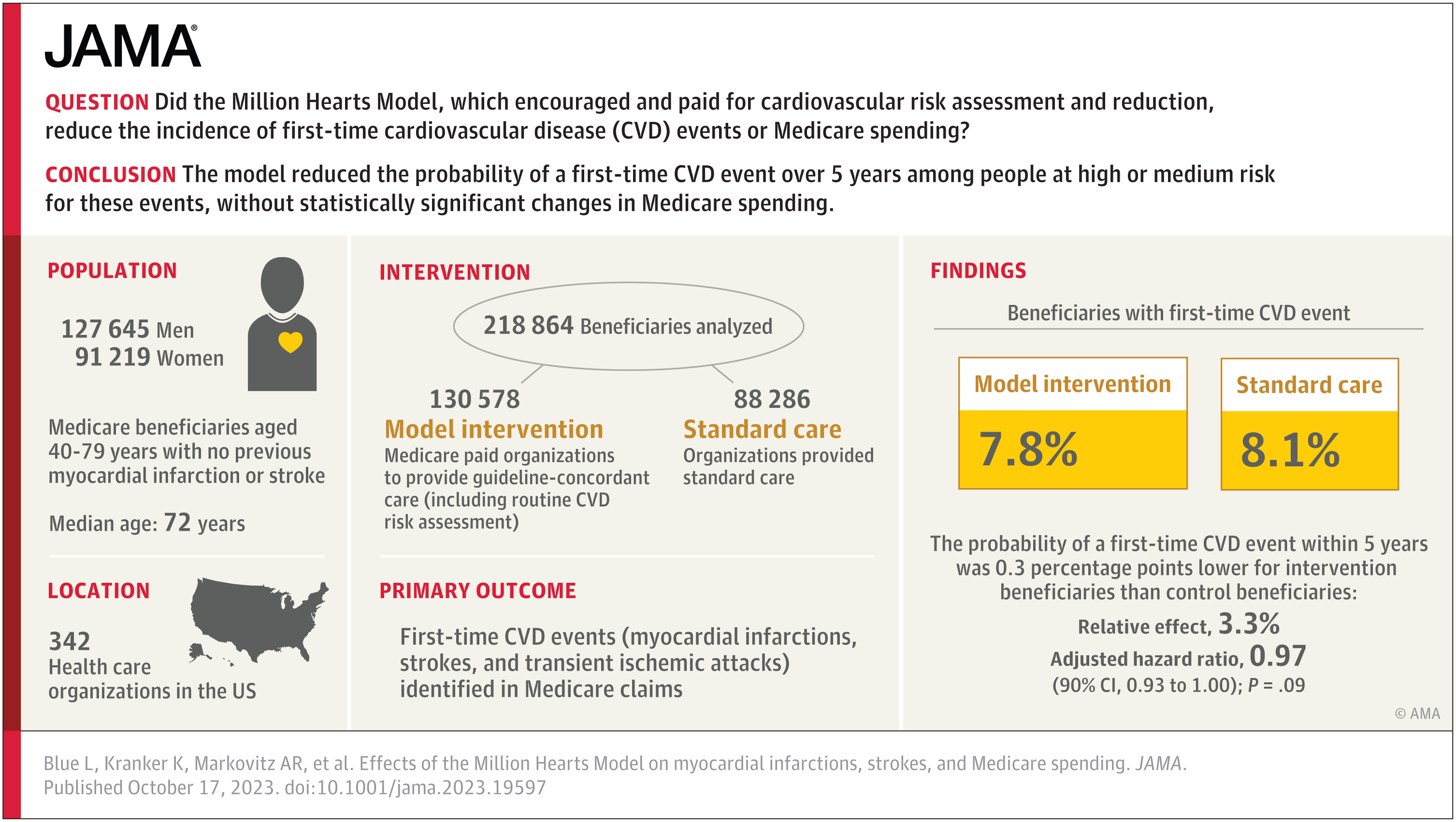
"Million Hearts Model: Reducing Heart Attacks, Strokes, and Medicare Spending"
healthcare3 years ago

"Million Hearts Model: Reducing Heart Attacks, Strokes, and Medicare Spending"

The Million Hearts Model, a program that incentivized and funded cardiovascular risk assessment and reduction, was found to reduce the probability of first-time myocardial infarctions or strokes by 0.3 percentage points over 5 years among high or medium-risk individuals, without significant changes in Medicare spending. The commitment of healthcare organizations to risk assessment and follow-up, coupled with payments for risk reduction, resulted in lower rates of heart attacks and strokes, supporting guideline recommendations for cardiovascular risk assessment.