
Heating Oil Surge Drives Northeast Winter Bills to Record Highs Despite El Niño
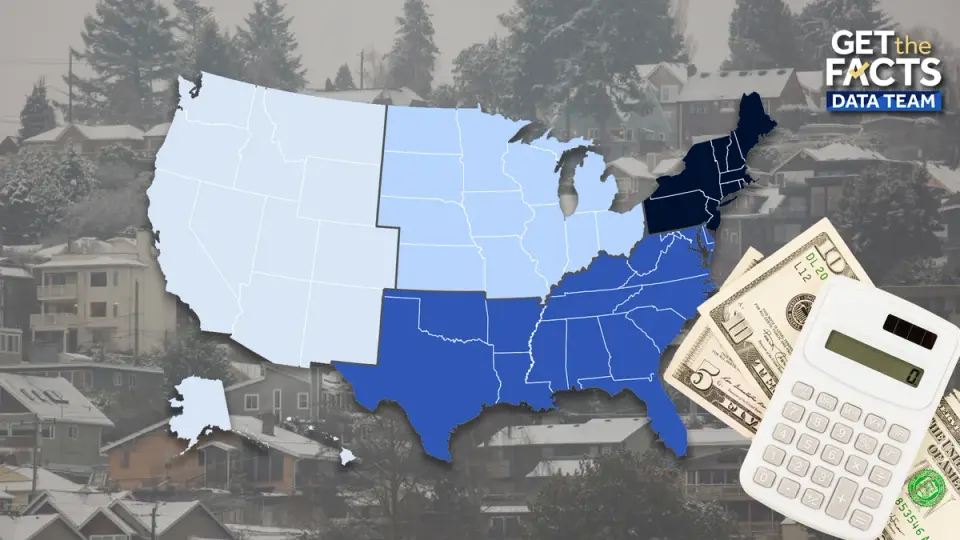
U.S. households face a 9% rise in winter heating costs, averaging $1,030, with the Northeast hit hardest due to heating oil prices jumping 31% to nearly $2,300.
Key points
- National Energy Assistance Directors Association projects average U.S. heating costs will rise 9% to $1,030 for the mid-November to mid-March period.
- Heating oil prices are expected to surge 31% to nearly $2,300 per household, driven by global oil market disruptions and the U.S.-Iran conflict.
- The Northeast will bear the highest costs, with average heating oil expenses at $2,297 and electricity at $1,885, compared to lower rates in the Midwest and South.
- Electricity costs are also rising 9% due to increased demand from AI data centers and aging grid infrastructure, despite El Niño bringing warmer weather.
- Experts advise homeowners to seal leaks, upgrade furnaces, and apply for energy assistance programs as the era of cheap energy ends.
Background
Previous coverage from our archive noted similar projections from NEADA regarding the 9% cost increase and the specific regional disparities between the Northeast and Midwest. Those earlier reports also highlighted the impact of global oil markets and inflation on heating oil prices, as well as the recommendation for households to adopt energy-saving measures. The current briefing confirms these figures and adds specific details on the Brent Crude price shift from $72 to over $100 per barrel due to Middle East tensions.
Why it matters
Rising heating costs threaten household budgets, forcing families to make difficult spending decisions. The significant price hikes, particularly for heating oil, indicate a structural shift in energy affordability, requiring proactive planning and efficiency improvements to mitigate financial strain during the winter months.
What to watch
Households are expected to monitor their energy usage closely and implement efficiency measures such as caulking leaks and replacing old furnaces. They should also explore available energy-assistance programs to offset the higher costs. The exact impact will depend on the severity of the winter and future oil price fluctuations, but the trend toward higher energy costs is likely to persist.
Want the full story? Read the original reporting
Read on WPBF