
US Treasury Intervenes to Halt Yen Collapse, Protecting American Borrowing Costs
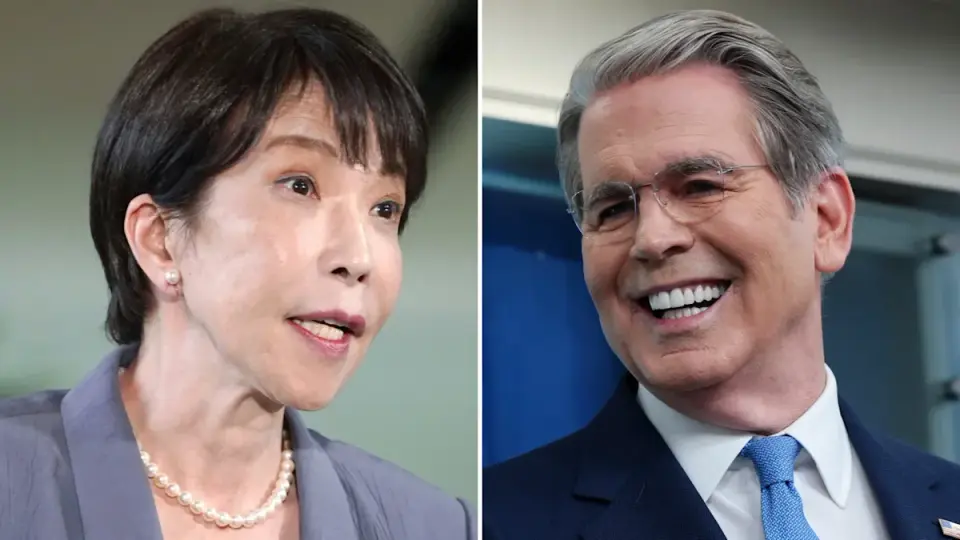
The US Treasury intervened in currency markets to support the Japanese yen, which had fallen to a 40-year low against the dollar. Treasury Secretary Scott Bessent stated the move was necessary to protect the US-Japan alliance and prevent Japan from selling US Treasury bonds, which would have raised American borrowing costs. While the intervention may stabilize the yen short-term, experts note that long-term currency trends are difficult to control through government action alone.
Key points
- The Japanese yen reached its lowest value against the US dollar in 40 years, prompting a rare coordinated intervention by the US and Japanese governments.
- Treasury Secretary Scott Bessent vowed to do 'whatever it takes' to support the yen, framing the action as essential for economic security and the US-Japan alliance.
- US intervention aims to prevent Japan from selling its large holdings of US Treasury bonds to raise funds for currency support, which would have increased US interest rates.
- A stronger yen benefits the US by making American exports more affordable for Japanese buyers, potentially helping to reduce the US trade deficit with Japan.
- Experts warn that while the intervention may provide short-term relief, it is unlikely to reverse the long-term trend of yen weakness due to the massive size of global currency markets.
Background
This intervention follows a period of significant yen weakness driven by inflation, a historic oil shock from the Iran war, and Japan's low interest rates. The US-Japan coordinated effort marks the first such joint currency intervention since 2011. Previous coverage highlighted concerns that a weak yen could trigger broader currency devaluations in Asia and that the US move was partly motivated by the need to protect the stability of US Treasury markets amid rising national debt.
How outlets are covering it
ABC News emphasizes the domestic US benefits of a stronger yen, noting that it prevents Japan from selling US Treasuries, which would raise borrowing costs for the US government and consumers. It also highlights how a stronger yen makes US exports more competitive in Japan. Yahoo Finance, through its headline, questions whether Americans will bear the cost of this intervention, suggesting potential trade-offs. Both sources agree that the intervention is a short-term measure, with experts from ABC News noting that currency markets are too large for government actions to permanently alter trends.
Why it matters
The intervention underscores the interconnectedness of global financial markets and the strategic importance of the US-Japan alliance. It highlights how currency fluctuations can impact borrowing costs and trade balances, with potential consequences for US interest rates and consumer prices. The move also reflects the Trump administration's focus on reducing trade deficits and supporting key allies through economic means.
What to watch
Analysts expect the Bank of Japan to potentially raise interest rates in the coming months to support the yen, though this could hinder economic stimulus efforts. The US Treasury will likely monitor the yen's value and the impact on US Treasury yields. Japan may face pressure to implement fiscal and monetary policies that address the root causes of yen weakness, such as high public debt and inflation. The long-term effectiveness of the intervention will depend on these policy adjustments and broader market dynamics.
- Freefalling yen sparks rare US intervention as Scott Bessent vows 'whatever it takes.' Will Americans pay the price? Yahoo Finance
- Why is the US Treasury propping up Japanese yen? Experts explain ABC News - Breaking News, Latest News and Videos
- Carry Trade Is Powering On as Investors Sidestep Yen’s Gains Bloomberg.com
- What the Stock Market’s Record Rally Has to Do With Rescuing the Yen The New York Times
- Nudge from Bessent firms case for BOJ rate hike in September Reuters
Want the full story? Read the original reporting
Read on Yahoo Finance