The Bank of Japan raised its policy rate to 1.25%, a 31-year high, but markets reacted counterintuitively with a weaker yen and rising stocks due to a split decision and lack of hawkish guidance.
The Bank of Japan (BOJ) raised its benchmark interest rate to 1.25% on September 18, 2026, marking a 31-year high not seen since 1995. This 25-basis point increase follows a trend of tightening monetary policy since 2024, driven by rising inflation and a weak yen. The move aligns with recent rate hikes by the US Federal Reserve and the European Central Bank, all responding to inflationary pressures exacerbated by energy disruptions from the Iran war. Despite the hike, the yen weakened slightly, and bond yields fell, reflecting market uncertainty. The decision was split, with two board members dissenting, citing concerns that the economy is not strong enough to justify further tightening.
The Bank of Japan raised its policy rate by 25 basis points to 1.25%, the highest level since 1995, in a decision that accelerated the pace of monetary normalization. The move, which was split 7-2, was driven by concerns that inflation might exceed the 2% target, despite core inflation easing to 1.7% in August. The decision followed a coordinated U.S.-Japan intervention to support the yen and aligns with broader global central bank tightening amid rising energy costs from the Iran war.
The Japanese yen’s 6% rally against the dollar since late July has forced traders to seek new funding currencies for carry trades, with the Chinese yuan and Canadian dollar emerging as primary alternatives. This shift follows a historic unwind of speculative yen shorts and hawkish signals from the Bank of Japan, which is expected to raise rates this week. While the yen remains a key funding source due to low global rates, its recent strength and regulatory warnings have reduced its attractiveness, prompting a rotation toward other low-yield currencies.
US Treasury Secretary Scott Bessent has warned currency traders not to bet against the Japanese yen, claiming he possesses 'asymmetric information' regarding Japanese policymakers' next moves. This statement follows a rare joint US-Japan intervention in late July that supported the yen, which had fallen to a 40-year low. Bessent, speaking at Southern Methodist University, described the US Treasury as 'the house' in currency markets, suggesting Washington has insight into Bank of Japan actions. The yen has since rebounded to near its strongest level of the year, reaching approximately ¥153.3 against the dollar, driven by expectations of faster Japanese rate hikes and potential further interventions. Meanwhile, Bessent is expanding US Treasury bond buybacks to control soaring borrowing costs, with 10-year yields near 2023 highs.
The Japanese yen strengthened significantly against the dollar, reaching its highest level in a month, driven by speculation that the Bank of Japan (BoJ) will accelerate interest rate increases. This move follows hawkish comments from BoJ board member Hajime Takata and occurs amid a broader global bond market sell-off triggered by inflation fears. While some analysts attribute the surge to potential government intervention, others point to shifting expectations regarding domestic capital repatriation and faster monetary tightening.
The Japanese yen surged over 1% against the U.S. dollar on Thursday, reaching its strongest level in a month at 156.34 per dollar. This rally was driven by heightened expectations for a Bank of Japan (BOJ) rate hike and speculation regarding potential currency intervention. While some analysts attribute the move to hawkish comments from BOJ policymakers, others suspect quiet government action, particularly after the currency briefly crossed the 160-per-dollar threshold earlier in the week.
Global equity markets opened mixed on Thursday, with Asian indices showing divergent trends and European markets struggling for direction. The U.S. dollar weakened slightly as global bond yields eased following a recent sell-off, while the Japanese yen hit a four-month high against the dollar. Oil prices remained flat as traders assessed ongoing Middle East tensions, and after-hours U.S. trading saw significant moves in tech and retail stocks following earnings reports.
US Treasury Secretary Scott Bessent has warned that a 'disorderly' Japanese yen could ultimately lead to higher interest rates in the United States. This statement follows recent coordinated currency interventions between Washington and Tokyo, which aimed to stabilize the yen and prevent broader financial turmoil. While the move was framed as a 'signal of friendship' by President Donald Trump, it raises questions about the long-term impact on US borrowing costs and global monetary policy.
Treasury Secretary Scott Bessent issued a scathing letter to Sen. Elizabeth Warren, rejecting her claims that US taxpayers bear risk from the recent intervention to support the Japanese yen. Bessent asserted that no new congressional appropriation or credit was extended to Japan, stating that Japan owes Treasury nothing. He criticized Warren’s understanding of foreign exchange markets, suggesting she needs a remedial tutorial. The dispute centers on the first coordinated US-Japan effort to strengthen the yen since 1998, which occurred after the currency hit a 40-year low. While Warren demanded details on the scale and legal justification of the purchase, Bessent cited existing statutes and defended the action as necessary to protect US economic interests and prevent global market instability.
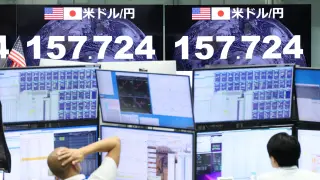
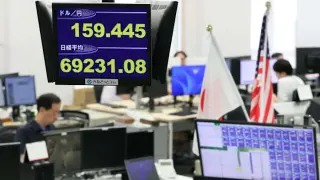
The Japanese yen has reversed its post-intervention gains, returning to approximately 159 per dollar. This resurgence of weakness follows a historic joint US-Japanese intervention in late July that briefly stabilized the currency. Market participants are increasingly betting against the yen, driven by significant interest rate differentials and speculative activity, raising concerns about potential market volatility.
Goldman Sachs estimates Japan possesses approximately $200 billion in liquid cash reserves, sufficient for multiple rounds of currency intervention similar to the historic July operation. The bank notes that access to the Federal Reserve’s FIMA facility could theoretically unlock the full $1 trillion of US Treasury holdings held by Tokyo. While the recent joint US-Japanese intervention temporarily stabilized the yen, the currency has since weakened back toward the 160 level. Analysts warn that without a significant Bank of Japan rate hike, the carry trade dynamic will continue to pressure the yen, making further interventions likely if US economic data weakens.
The yen has recovered approximately half of its losses following a historic joint intervention by the US and Japan, currently trading near 159 per dollar. However, analysts argue that the currency remains vulnerable because fundamental economic forces, specifically the interest rate differential between the US and Japan, have not changed. While the intervention successfully reset market psychology and reduced speculative excess, it did not address the underlying incentives for investors to borrow cheaply in yen and invest in higher-yielding US assets. The Bank of Japan is expected to address this through potential rate hikes in September, but experts warn that without broader fiscal and investment reforms, the yen’s weakness may persist.
The Japanese yen has lost nearly half of its post-intervention gains, slipping from 155 to 158.50 per dollar. While the joint US-Japan effort briefly stabilized the currency, analysts argue that without significant domestic policy shifts, the rally is unsustainable. Treasury Secretary Scott Bessent acknowledged that intervention alone cannot reverse the trend, emphasizing that long-term stability depends on Japan's monetary policy direction.
The US and Japan executed a coordinated currency intervention to support the yen, marking the first joint operation since 1998. Analysts view this as a shift from conventional FX management to a geopolitical tool, potentially altering global carry trade dynamics and signaling a new era of statecraft in currency markets.