
Record Diesel Prices Squeeze Midwest Farmers and School Districts Amid Supply Crises
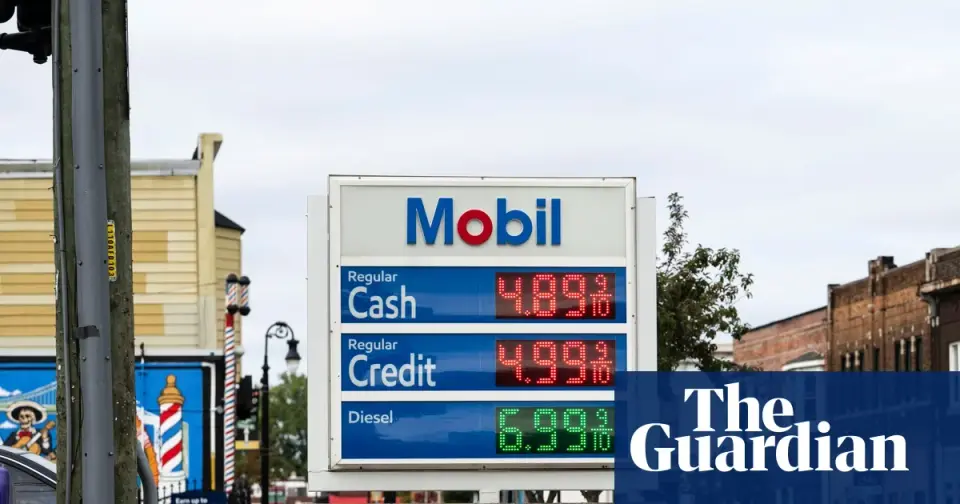
US diesel prices have surged to record highs, reaching $6.53 per gallon, causing severe financial strain for Midwest farmers, truckers, and public schools. The spike is driven by the Iran conflict, Russian refinery damage, and regional supply disruptions, including a shutdown at an ExxonMobil facility in Illinois. While the Trump administration considers banning diesel exports to lower domestic costs, analysts warn this could raise gasoline prices and fail to solve long-term shortages. Farmers face an additional $12,500 in fuel costs per 1,000 acres, while school districts cut routes and jobs to manage budgets.
Key points
- Diesel prices have risen over 80% since January 2026, reaching $6.53 per gallon, with four of the five highest weekly increases occurring in Midwest states like Indiana and Ohio.
- Midwest farmers face an estimated $12,500 increase in fuel costs for every 1,000 acres harvested, with one Indiana farmer expecting to use 9,000 gallons of diesel for the upcoming soybean harvest.
- Regional supply issues, including a week-long shutdown at an ExxonMobil refinery in Joliet, Illinois, and a six-month labor dispute at a BP refinery in Whiting, Indiana, have exacerbated local shortages.
- The Strategic Petroleum Reserve is at its lowest level in 43 years, having drawn down 172 million barrels, which limits the government's ability to stabilize prices during the upcoming winter demand season.
- The Columbus school district in Ohio has cut nearly 300 jobs and closed four schools to manage a potential $157 million deficit, partly driven by rising diesel costs for its 15,000-bus fleet.
Background
Recent coverage highlights that rising diesel prices have become a central political issue ahead of the November midterms. In late September, Republican lawmakers pressured President Trump to pause diesel exports, though the White House denied considering such a ban. Goldman Sachs warned that an export ban could eventually raise gasoline prices by $0.30 per gallon. Additionally, US energy executives predict diesel prices will remain elevated for over four quarters, with Texas declaring a state of disaster to mitigate costs for rural voters.
How outlets are covering it
The Guardian emphasizes the structural vulnerabilities of the Midwest, noting that the region lacks the water access and refinery density of coastal areas, making it harder to import emergency fuel. It highlights the human impact on farmers and school districts, detailing specific budget cuts and operational changes. The New York Times, through an opinion piece by Adam Wingfield, focuses on the broader economic ripple effects, arguing that diesel costs will inevitably raise prices for consumer goods. Wingfield criticizes the proposed export ban, suggesting it would only temporarily lower prices in some regions while raising them elsewhere, and notes that the current supply constraints are unlikely to resolve soon due to ongoing conflicts in Iran and Ukraine.
Why it matters
The sustained rise in diesel prices threatens the profitability of US agriculture and the viability of public transportation systems, potentially leading to reduced crop yields and educational service cuts. The reliance on a depleted strategic reserve and regional refinery disruptions creates a fragile energy landscape that could exacerbate inflation and political instability ahead of the midterm elections.
What to watch
Farmers are adopting no-till farming methods to reduce fuel usage, but many will still face elevated costs for the 2026 harvest. School districts are consolidating bus routes and cutting non-essential trips. The Trump administration is expected to continue evaluating export restrictions, while the Strategic Petroleum Reserve faces potential capacity reductions in Louisiana due to stability concerns in neighboring caverns.
- Soaring diesel prices take their toll on US farmers in midwest corn belt The Guardian
- Why is diesel more expensive than regular gas? NPR
- Opinion | Who Uses a Lot of $6 Diesel? Farmers, Truckers, Trump Voters. The New York Times
- California drivers cut back as Kern County diesel hits record $7.81, gas tops $5.85 Yahoo
- Truckers Are Using Every Trick They Can to Survive Soaring Diesel Prices WSJ
Want the full story? Read the original reporting
Read on The Guardian