
U.S. Rents Hit Fastest Annual Rise in a Year as Supply Crunch Meets High Mortgage Rates
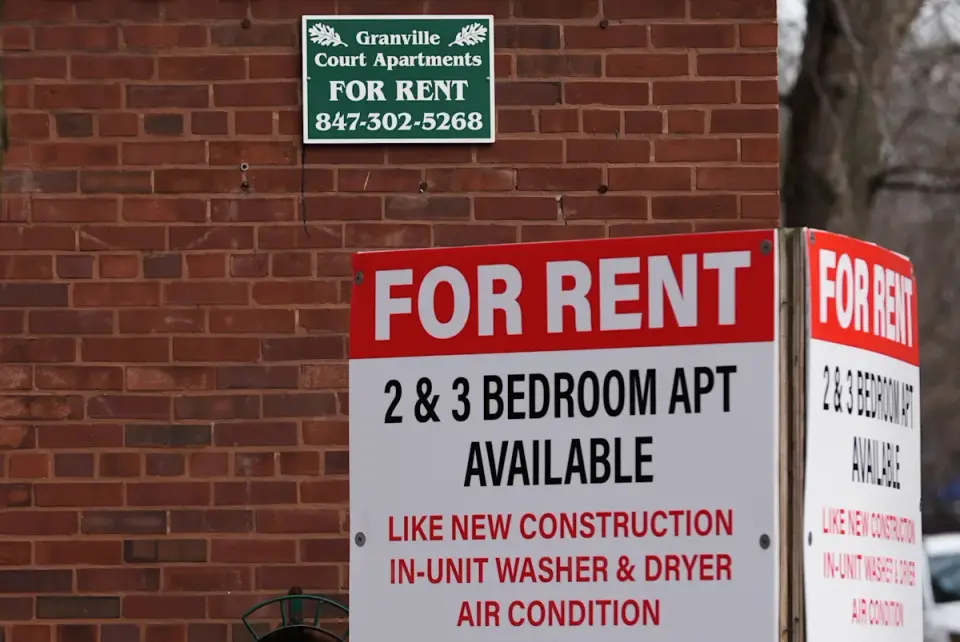
U.S. rents are rising at the fastest rate in over a year, driven by shrinking apartment supply and high mortgage rates that keep buyers renting. While national median rents remain below last year's levels, the trend has reversed from a multi-year decline, with regional disparities widening between oversupplied Sun Belt cities and tight coastal markets.
Key points
- National median asking rent rose 2.3% year-over-year to $1,962 in July, the fastest annual increase in about a year, according to Zillow.
- Apartment construction permits fell 31% from their 2022 peak, reducing new supply and reversing the previous trend of falling rents.
- Mortgage rates above 6.5% and high home prices require an income of $99,800 to buy versus $78,488 to rent, keeping demand in the rental market.
- Regional gaps are stark: San Francisco rents rose 9.7% to $3,372, while San Antonio saw the steepest decline at 5.1% year-over-year.
- Landlord concessions remain high, with 39.8% of listings offering incentives, but this is expected to shrink as supply tightens.
Background
This shift follows a period of rent declines since 2022, driven by a construction boom that peaked in 2024 with over 600,000 new units. Recent archive data showed Manhattan rents hitting record highs in July 2026, reflecting the same supply-demand imbalance now seen nationally. The current trend marks a reversal from the tenant-favorable market of the past two years.
How outlets are covering it
Zillow and Seoul Economic Daily emphasize the 'fastest annual increase' and the role of shrinking supply, noting that multifamily permits are down 31% from 2022. CNBC and Globest focus on the 'stabilization' narrative, highlighting that August marks the first positive rent growth since 2022, though rents remain 0.8% below last year's levels. While Zillow cites a 2.3% annual rise, Apartment List reports a smaller 0.1% monthly increase, reflecting different measurement methodologies. All sources agree that regional disparities are widening, with the Sun Belt seeing declines and coastal cities like San Francisco and San Jose seeing sharp increases.
Why it matters
The reversal in rent trends signals a shift in the housing market from tenant-favorable to landlord-favorable conditions. As new supply dries up and mortgage rates remain high, renters may face increasing costs and fewer concessions. This could impact household budgets, inflation, and the broader economy, particularly as the market approaches the peak moving season.
What to watch
Analysts expect rent growth to accelerate further next year as the effect of new supply fades. Zillow projects multifamily rents will rise 1.9% and single-family rents 2.9% this year, marking a break from the slow growth of the past two years. Landlord concessions are expected to shrink as supply tightens, and the typical seasonal slowdown may be delayed due to strong demand.
- 'More than I expected to pay': Rents are rising at the fastest rate in over a year Yahoo Finance
- August apartment rents turn positive for the first time in four years CNBC
- Multifamily Shows Early Recovery Signs Despite Elevated Vacancies Globest
- U.S. Rents Turn Higher as Apartment Supply Dries Up Seoul Economic Daily
Want the full story? Read the original reporting
Read on Yahoo Finance