Chicago-area listings vanish from Zillow in data-dispute
Midwest Real Estate Data cut off its data feed to Zillow in a dispute over where home listings are visible, causing Chicago-area listings to stop appearing on Zillow.
All articles tagged with #zillow

Midwest Real Estate Data cut off its data feed to Zillow in a dispute over where home listings are visible, causing Chicago-area listings to stop appearing on Zillow.

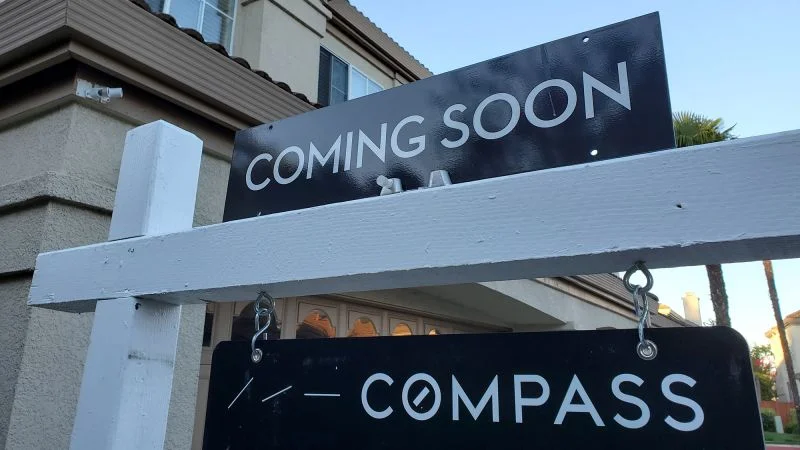
Zillow filed an antitrust lawsuit alleging that Chicago MLS operator MRED and broker Compass conspired to hide listings behind private networks, causing thousands of Chicago-area listings to vanish and prompting a bid for a preliminary injunction to restore access and transparency in the housing market.

Thousands of Chicago-area home listings disappeared from Zillow after Midwest Real Estate Data pulled access to its regional MLS amid a dispute over private listings marketed to select buyers; Zillow has sued MRED and Compass, arguing the move undermines its rules and hurts buyers, with the suspension causing many listings to go-dark or stay outdated as listings don’t refresh.

Zillow’s April report identifies 10 U.S. metros with the strongest odds for first-time buyers, led by Jacksonville, FL—a city where rent accounts for about 23% of median income and 47.8% of listings are affordable—followed by Birmingham, San Antonio, Atlanta, Houston, St. Louis, Detroit, Raleigh, Baltimore, and Louisville, reflecting lower rent burdens, more affordable listings, and a healthier share of younger buyers.

Compass voluntarily withdrew its lawsuit against Zillow after Zillow relaxed some of its 'Zillow Ban' rules on certain for-sale listings. The clash highlighted tensions over access to listings, with Compass expanding its exclusive inventory and striking deals with Redfin and Anywhere. The broader question now is how listings are shared and monetized across portals, and how much control agents and sellers should exert over listing exposure, which could affect how buyers search for homes.

Compass has dropped its lawsuit against Zillow over how homes are marketed online after Zillow amended its listing rules to allow public-facing listings and launched Zillow Preview for pre‑market listings. Compass had argued that Zillow’s one-day public display rule was anticompetitive, while Zillow contended the policy improves transparency. A New York judge had declined to block Zillow’s rule, and Compass subsequently formed a partnership with Redfin to display Compass come‑soon listings exclusively. With these changes, Compass praised the move as beneficial for sellers and agents, and Zillow argued the claims lacked merit, emphasizing that private listing networks are not in the best interests of consumers.

Blizzard partners with Zillow to launch a Zillow-style housing explorer for World of Warcraft, letting players browse in-game homes across Azeroth ahead of the Midnight expansion, with the new Hearthsteel currency enabling real-money microtransactions and refunds while highlighting regulatory considerations.

A federal judge denied Compass’s bid for a preliminary injunction, allowing Zillow to keep enforcing its Listing Access Standards and block certain ‘private exclusive’ listings for now. Yet Compass’s growing stockpile of exclusive homes—bolstered by its acquisition of Anywhere Real Estate—along with other brokerages building private networks, suggests a longer, more complex shift in home searching where buyers may increasingly encounter listings that aren’t broadly accessible.

Zillow predicts 2026’s hottest housing markets will be concentrated in the Northeast, led by Hartford, Buffalo, New York, Providence, and others, with no Sun Belt cities in the top 10. The rankings reflect tight supply and strong demand—as homes sell over asking and inventory remains scarce—driving continued price growth in these metros.

Zillow ranks Providence as the 4th hottest real estate market in the U.S. for 2026, citing strong price growth, low inventory, and high buyer competition, with markets like Hartford, Buffalo, and San Jose also leading in demand and appreciation forecasts.

Compass CEO Robert Reffkin is engaged in a legal and strategic battle with Zillow and industry rules, aiming to reshape home search practices by promoting exclusive listings and challenging industry norms, which could significantly alter how Americans buy homes.

Google is testing a new feature that displays home listings directly in search results through a partnership with HouseCanary, which has caused Zillow's shares to drop over 8%. While some analysts see this as a long-term risk for real estate portals, others believe the immediate impact will be limited, and Google may see this as an opportunity to generate more revenue.

Home buyers in the US are benefiting from record-level price reductions, with the typical listing seeing around $25,000 in cuts in October, especially in expensive markets like Los Angeles and New York, as the housing market rebalances and homes take longer to sell.

The article highlights a Facebook group showcasing bizarre and questionable Zillow listings, ranging from homes with strange designs to potential hazards, reflecting the current chaotic housing market and the popularity of viewing odd homes for entertainment and escapism.

Zillow quickly developed a ChatGPT-integrated real estate app in less than six weeks, collaborating with OpenAI using their app development tools to enhance home buying and selling experiences with AI-driven features, emphasizing control over data and user interface, and aiming to lead AI disruption in real estate.