
San Francisco’s AI Boom Creates a 'Permanent Underclass' as Housing Costs and Labor Shifts Exclude Non-Tech Workers
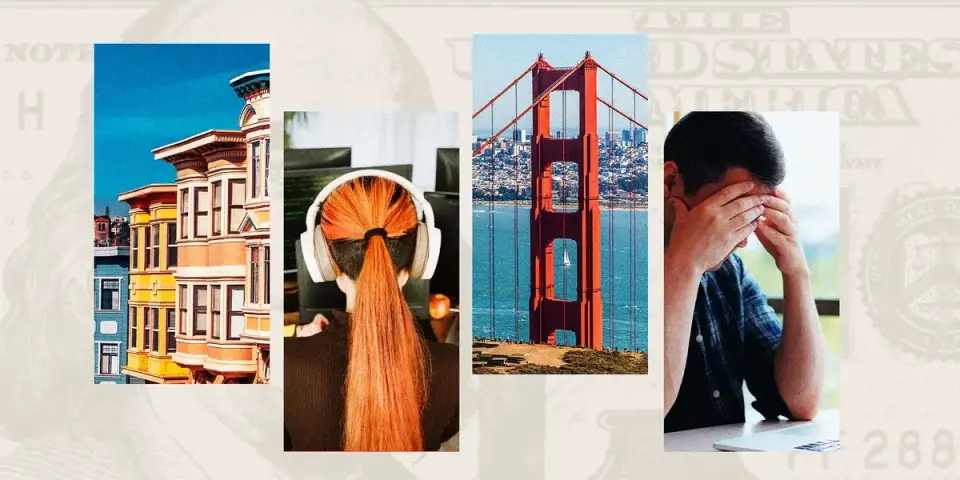
San Francisco’s AI-driven wealth surge is creating a 'permanent underclass' of non-tech workers and small business owners who can no longer afford the city. While AI labs like OpenAI and Anthropic prepare for massive IPOs, housing costs have skyrocketed, forcing residents to downsize or leave. Simultaneously, Bay Area tech layoffs have doubled, and small businesses struggle to hire staff who cannot afford local living costs.
Key points
- Housing costs in San Francisco have surged due to AI wealth, with shared apartments averaging $2,500/month, forcing workers like Kacie Barrett to cut internet and food budgets.
- Small business owners, such as Tolgay Karabulut of BaklavaStory, report difficulty retaining staff who cannot afford housing, leading to reduced wages and reinvestment into the business.
- Bay Area tech layoffs reached 14,500 in the past year, nearly double the previous fiscal year, as AI automates traditional software roles.
- Some tech workers are quitting AI labs over safety concerns, rejecting potential IPO windfalls to protest ethical issues, highlighting a split in the tech workforce.
- Experts warn that the inability to purchase homes is blocking wealth accumulation for the middle class, creating a long-term economic divide.
Background
Previous coverage in August 2026 noted concerns that AI could create a bifurcated labor market, concentrating gains among a tech elite while leaving others with deskilled jobs. The current situation reflects this predicted split, with tangible impacts on housing and employment in San Francisco.
How outlets are covering it
Business Insider emphasizes the lived experience of non-tech workers and small business owners struggling with housing and hiring, framing the 'permanent underclass' as a reality for those outside AI labs. Bloomberg Government News highlights the quantitative labor market shift, noting a doubling of tech layoffs and the automation of software roles. The San Francisco Standard focuses on the ethical dimension, reporting on tech workers quitting AI labs over safety concerns, contrasting the financial incentives of IPOs with moral objections. While Business Insider and Bloomberg focus on economic exclusion, The Standard highlights internal dissent within the AI industry itself.
Why it matters
The AI boom is reshaping San Francisco’s economy, creating a stark divide between AI elites and the rest of the population. This divide threatens the city’s social fabric, as small businesses struggle to operate and middle-class workers are priced out of housing. The situation underscores the broader risks of technological concentration and the potential for long-term inequality if policy and market forces do not adapt.
What to watch
As OpenAI and Anthropic approach IPOs, wealth concentration will likely intensify, further straining housing and labor markets. Small businesses may continue to face hiring challenges, while non-tech workers may be forced to leave the city or accept lower wages. The ethical debates within AI labs could lead to more resignations or policy shifts, but the economic impact on San Francisco’s diverse workforce remains a critical concern.
- Meet San Francisco's 'permanent underclass' — and the ones who think they still have a shot Business Insider
- Jobless Tech Workers Are Being Left Out of San Francisco’s AI Boom Bloomberg.com
- The techie moral awakening The San Francisco Standard
- U.S. Workers Back AI Sovereign Wealth Fund as Tech Layoffs Intensify, Survey Shows - Consensus Beat Rate CarePlus VietNam
- AI Boom Leaves Many Bay Area Tech Workers Behind: BGOV Labor Bloomberg Government News
Want the full story? Read the original reporting
Read on Business Insider