
Studies Link ICE Raids to Local Economic Collapse and Rising Prices
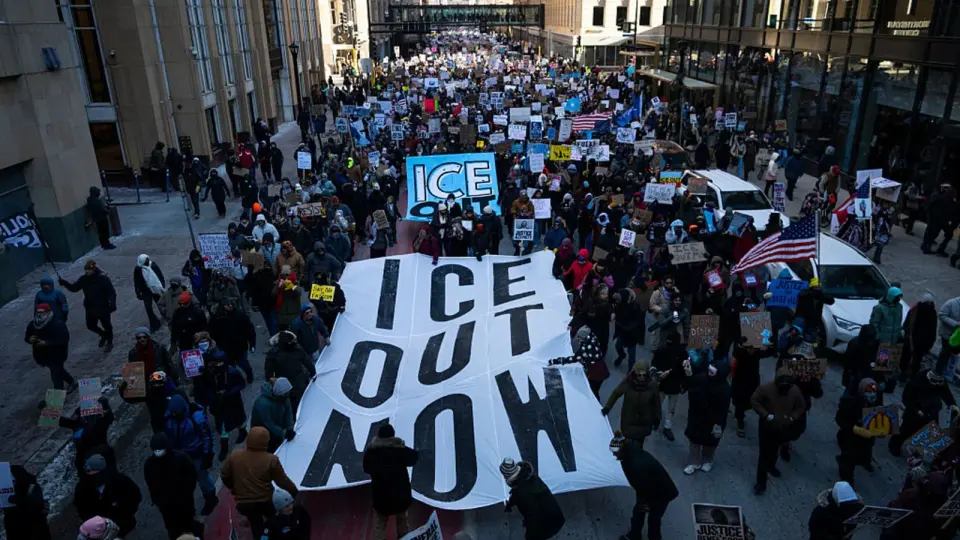
Multiple studies indicate that federal immigration enforcement operations have triggered localized economic downturns, characterized by sharp drops in consumer spending, business closures, and employment losses. While the administration frames these actions as necessary for public safety, critics argue they create an 'economy of fear' that harms all residents and drives up costs for essential goods.
Key points
- University of Pennsylvania analysis shows cities with 2025 raids saw a 3% drop in foot traffic and over 6% decline in spending, totaling billions in lost revenue.
- Minneapolis lost nearly $700 million in economic activity between December and April following Operation Metro Surge, with some businesses closing permanently.
- Chicago lost over $1.26 billion in local business revenue, with retail and restaurant visits falling by 9% and 10% respectively.
- The ACLU and AFL-CIO report links mass deportations to higher prices for labor-intensive services, such as landscaping and home care, due to workforce shortages.
- Employment in targeted cities saw a 0.4% shortfall six months after surges, affecting both immigrant and U.S.-born workers.
Background
This economic fallout follows a series of high-profile enforcement actions, including the Memphis raid in August 2026 and the earlier Operation Metro Surge in Minneapolis. These operations have been part of a broader federal strategy to increase deportations, which advocates argue has destabilized local economies and heightened community anxiety since early 2025.
How outlets are covering it
CNBC and the ACLU emphasize the severe, long-term damage to local businesses and the broader economy, describing the situation as a 'localized recession' and an 'economy of fear.' They highlight that the economic harm extends beyond immigrant communities to affect all residents through rising prices and job losses. In contrast, the Department of Homeland Security and White House officials argue that these actions target public safety threats and that illegal immigration previously suppressed wages and contributed to inflation. The ACLU report further characterizes the enforcement as a tool to undermine democratic norms, while the administration views it as a necessary measure to protect fiscal health and national security.
Why it matters
The economic consequences of immigration enforcement are reshaping local markets and national cost-of-living dynamics. As consumer spending drops and labor shortages drive up prices for essential services, the policy has become a central issue for the 2026 midterm elections, with Democrats urging voters to oppose the current approach and advocate for broader citizenship pathways to stabilize the economy.
What to watch
Congress is expected to debate immigration reform and funding for enforcement in the coming months. Meanwhile, local businesses in affected cities are monitoring foot traffic for signs of recovery, while federal agencies may adjust enforcement tactics following recent court rulings that restrict arrests near immigration courthouses.
- ICE came to town and left behind weakened economies CNBC
- Trump’s immigration policy is breaking American democracy, new ACLU report says USA Today
- The Economic Impact of ICE Arrests on Chicago International Legal and Business Services Group
- Trump’s Deportation Agenda Is Making the Affordability Crisis Worse American Civil Liberties Union
- Economic Cost of Increased Federal Immigration Enforcement MacArthur Foundation
Want the full story? Read the original reporting
Read on CNBC