Tag

Consumer Spending

All articles tagged with #consumer spending

economy1 day ago

February 2026: Spending Rises as Income Edges Down

US personal income fell 0.1% in February 2026 (-$18.2B), with disposable income down 0.1% (-$18.3B), while personal consumption expenditures increased 0.5% (+$103.2B), boosting total personal outlays by 0.5% (+$106.5B). Personal saving reached $931.5B (4.0% saving rate). The income drop was mainly due to lower personal dividend income and fewer transfer receipts, even as compensation rose. The PCE increase was split between goods (+$58.7B) and services (+$44.5B); real PCE rose 0.1%, and the PCE price index climbed 0.4% (0.4% excluding food and energy). Year over year, PCE prices were up 2.8% (3.0% ex food and energy). BEA notes data revisions and ongoing improvements; the next release is April 30, 2026, at 8:30 a.m. ET.

Walmart Recession Signal Flashes Warning of a Slowing US Economy
business11 days ago

Walmart Recession Signal Flashes Warning of a Slowing US Economy

A veteran market strategist says the Walmart Recession Signal (WRS)—which compares Walmart's stock to a luxury-stock basket—has surged to its highest level since the Global Financial Crisis and has historically risen before past US downturns. The gauge suggests stress on lower- and middle-income shoppers, rising private-credit concerns, and softer hiring and housing activity, signaling a potential significant US slowdown, though a swift Iran-war resolution could avert a recession.

Gas at $4 a Gallon: Costs, Inflation, and the Path for the U.S. Economy
business17 days ago

Gas at $4 a Gallon: Costs, Inflation, and the Path for the U.S. Economy

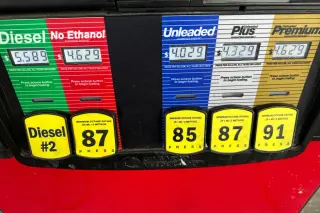
The national average price for regular unleaded is approaching $4 a gallon, a threshold economists say could raise inflation and trim household purchasing power. They quantify the impact: every $10 rise in oil costs drags real GDP by about 0.1 percentage point, boosts inflation by roughly 0.2 points, adds about 24 cents to the pump, and costs the typical household around $450 annually in related expenses. With oil up more than $30 since the conflict began, prices are contributing to higher costs for transportation and food, prompting some Americans to cut back on trips. While this increases uncertainty and raises the risk of a stagflation-like environment if prices stay elevated, the U.S. economy remains more resilient than in 2022, though debt burdens are heavier for lower-income households.

Period-Product Prices Rise as Inflation and Tariffs Bite
business20 days ago

Period-Product Prices Rise as Inflation and Tariffs Bite

Inflation and tariff policies have driven up the price of menstrual products by about 40% since 2020, even as overall unit sales have declined roughly 6% since 2022. Circana and CPI data show broad price pressures, including a spike in personal-care inflation and tariffs raising costs on cotton-based products to the U.S. Consumers are responding with substitutions and a shift toward reusable options, while major brands have raised prices to offset tariff impacts and some states apply pink taxes on these items.

No Shale Cushion Means This Energy Shock Hits Consumers Harder
energy21 days ago

No Shale Cushion Means This Energy Shock Hits Consumers Harder

UBS chief economist Arend Kapteyn argues the current energy shock is not like 2011–14 because US shale is far less responsive to price increases, leaving little offset from investment to cushion consumers. With shale investment weaker and officials framing the shock as temporary, the pain from higher energy costs is more likely to hit consumer purchasing power, while geopolitical disruptions in the Gulf threaten to tighten markets further and risk a pump-price shock.

Iran conflict could dampen tax-refund windfall as gas prices rise
economy27 days ago

Iran conflict could dampen tax-refund windfall as gas prices rise

Americans are receiving larger federal tax refunds this year (average about $3,742, roughly 10.6% higher than last year), which typically boosts spending. But the Iran conflict is driving up oil and gas prices, raising costs for commuting, groceries, and shipping, potentially lifting inflation and mortgage rates and limiting the discretionary boost from refunds.

K-Shape Economy: Spending, Jobs and Debt Split by Income
economy1 month ago

K-Shape Economy: Spending, Jobs and Debt Split by Income

America is in a persistent K-shaped recovery: higher earners continue to spend on essentials and leisure while lower- and middle-income households cut back on groceries and face rising credit stress. Wage growth has shifted in favor of the top third since 2024, GDP gains have disproportionately benefited higher-income groups, and tax changes may widen the gap. Data show richer households increasing purchases of meat, produce, and beverages while lower earners trim discretionary items; recent grads face higher unemployment than the overall workforce, and total credit-card debt rose to about $1.28 trillion in late 2025 with delinquency highest among the lowest-income households.

Price Hikes Trim Foot Traffic in Fast-Casual Bowl Chains
business1 month ago

Price Hikes Trim Foot Traffic in Fast-Casual Bowl Chains

Diners are cutting back on visits to fast-casual chains like Chipotle, Cava, and Sweetgreen as prices rise, leading to softer traffic and sales. Brands are avoiding deep discounts, instead adding limited cheaper items and maintaining premium offerings to balance margins amid higher beef and produce costs, signaling a cautious shift in consumer dining due to inflation.

US retail sales slip in January, marking an eight-month low
business1 month ago

US retail sales slip in January, marking an eight-month low

U.S. retail sales fell 0.2% in January—the largest drop since May—dragged by department stores, personal care shops and gasoline stations, while the core retail measure (the control group) rose about 0.35%, signaling underlying demand. The Commerce Department report was delayed by last year’s government shutdown, and economists expect bigger tax refunds to bolster spending in early 2026.

Bars Edge Ahead as On-Premise Drinking Rises and At-Home Alcohol Purchases Fall
business1 month ago

Bars Edge Ahead as On-Premise Drinking Rises and At-Home Alcohol Purchases Fall

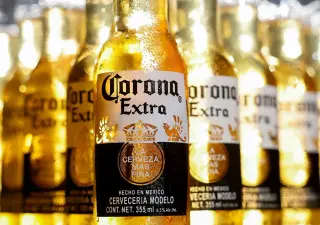
Bank of America data show a shift in U.S. alcohol spending in 2025: spending at bars rose about 4%, while retail spending on alcohol fell roughly 5%, pushing alcohol’s share of consumer outlays to a four-decade low. The divergence is fueling bar-driven growth and prompting venues to expand menus with nonalcoholic options, a trend led by Gen Z. Simultaneously, U.S. alcohol exports slumped amid tariffs—wine exports globally down about 33%, Canada down about 77%—and major producers like Molson Coors and Heineken warned of weaker earnings or job cuts as demand softens. The narrative sits alongside ongoing debate about alcohol’s social role and updated dietary guidance to drink less.

December inflation ticks up again, keeping Fed wary of slow cooling
economics1 month ago

December inflation ticks up again, keeping Fed wary of slow cooling

U.S. inflation accelerated in December as the Commerce Department’s PCE price index rose 0.4% for the month and 2.9% from a year earlier, the fastest yearly rise since March 2024. Core PCE also climbed 0.4% MoM and 3.0% YoY. Yet spending rose 0.4% and while gas prices fell, electricity and natural gas costs rose. The Federal Reserve left rates around 3.6%, with officials wanting inflation closer to 2% before considering rate cuts.

US GDP slows to 1.4% in Q4 2025 as shutdown drags growth
business1 month ago

US GDP slows to 1.4% in Q4 2025 as shutdown drags growth

US GDP rose at a 1.4% annualized rate in Q4 2025, undershooting economists’ expectations of about 3%, as disruptions from the government shutdown and softer consumer spending weighed on growth. The CBO estimated the shutdown shaved roughly 1.5 percentage points from Q4 GDP, with most lost output expected to be recovered. AI-related investment and tax cuts are seen as supports for activity later in the year, even as the economy remains uneven and inflation pressures persist.