
Entertainment Inflation Outpaces General Costs, Driving Americans to Stay Home
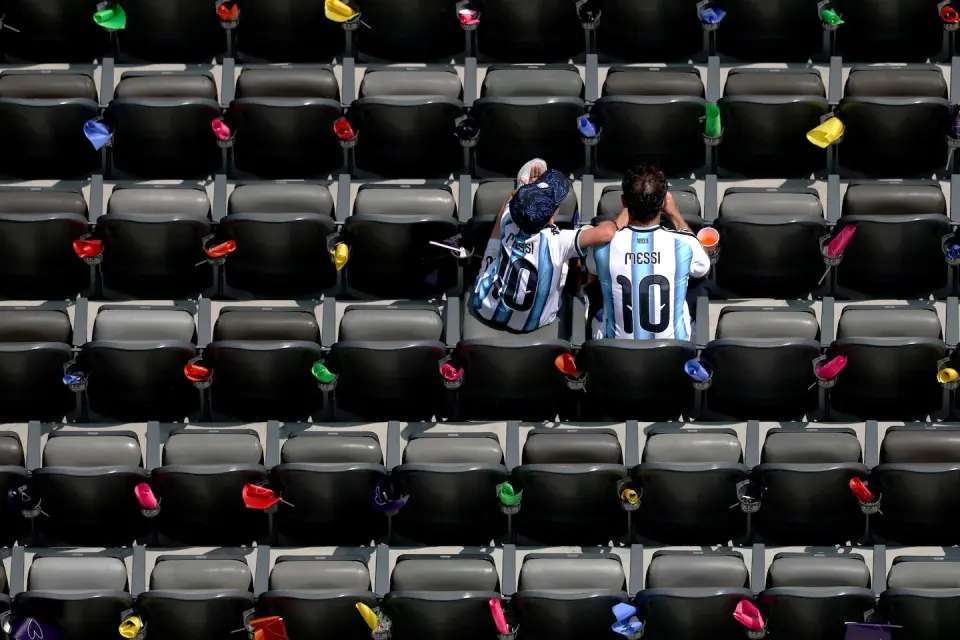
The cost of going out in the US is rising significantly faster than general inflation, with concert and sports tickets more than doubling since 2000. This surge, combined with high gas prices, is pushing consumers toward cheaper at-home entertainment options, leading to a measurable decline in time spent on out-of-house activities.
Key points
- From 2000 to 2026, overall price levels increased by 87 percent, but concert tickets rose by more than 100 percent and sports tickets by 123 percent.
- In 2026, food away from home is 3.4 percent more expensive than the previous year, compared to 2.2 percent for food at home, while gas prices jumped 27 percent due to the US war in Iran.
- At-home entertainment costs, such as televisions and hobby materials, have risen only 37 percent over the same 25-year period, lagging overall inflation by 50 percentage points.
- Americans spent 53 fewer minutes per day on out-of-house activities in 2023 compared to 2019, with the share of people attending arts and entertainment events dropping by over 20 percent since 2019.
- Venues have shifted ticket distribution to sell more high-priced luxury tickets, increasing average prices, while Gen Z is cutting back on out-of-house spending the most due to affordability issues.
Background
This trend follows earlier reports of rising costs impacting local venues, such as the closure of the Music Hall of Williamsburg in New York City due to financial pressures. It also aligns with broader economic discussions regarding funding and borrowing costs, though the current focus is specifically on consumer entertainment inflation.
Why it matters
The divergence between the cost of live entertainment and at-home alternatives is reshaping American social habits and consumer spending. As out-of-house activities become prohibitively expensive for younger generations, the entertainment industry is adapting by targeting wealthier demographics, potentially widening the gap in access to cultural experiences.
What to watch
Consumers may continue to prioritize at-home entertainment and free activities like parks and libraries. Venues will likely maintain high pricing strategies for luxury tiers, while younger demographics may further reduce discretionary spending on live events unless prices adjust or alternative affordable options emerge.
Want the full story? Read the original reporting
Read on The Washington Post