
Treasury finalizes SECURE 2.0 auto-enrollment rules to boost retirement savings
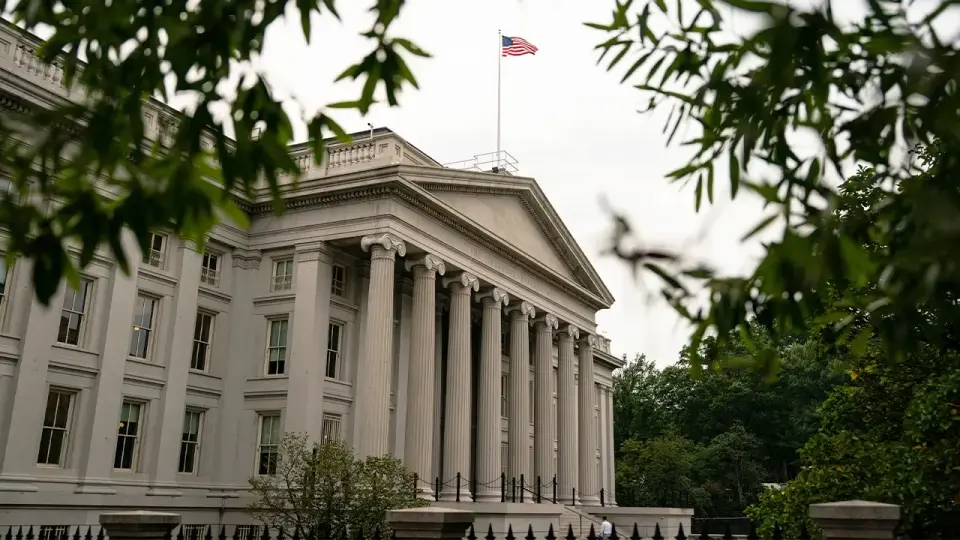
The U.S. Treasury and IRS have issued final regulations implementing automatic enrollment for certain workplace retirement plans, a key provision of the SECURE 2.0 Act. The rules require eligible 401(k) and 403(b) plans to automatically enroll employees at a default contribution rate of 3% of pay, increasing by at least one percentage point annually until reaching a minimum of 10%, capped at 15%. Employees retain the right to opt out or adjust their contribution rates. Treasury estimates these changes will increase aggregate retirement savings by an average of $4.2 billion annually between 2023 and 2032. The regulations apply to plan years beginning after December 31, 2027, allowing employers time to adjust administrative processes. Exceptions are provided for small businesses, new enterprises, governmental plans, church plans, and SIMPLE 401(k) plans.
Key points
- Final regulations mandate automatic enrollment for eligible 401(k) and 403(b) plans, starting at a 3% default contribution rate.
- Default contribution rates must increase by at least one percentage point annually, reaching a minimum of 10% and a maximum of 15%.
- Employees can opt out of automatic enrollment or choose a different contribution rate.
- Treasury estimates the policy will add $4.2 billion in annual retirement savings on average from 2023 to 2032.
- The rules apply to plan years beginning after December 31, 2027, with exceptions for small businesses, governmental plans, and church plans.
Background
This development follows recent adjustments to retirement contribution limits, including the IRS raising the 2027 401(k) employee deferral limit to $25,500. It also aligns with broader Treasury initiatives regarding automatic financial enrollment, such as the controversial implementation of 'Trump Accounts' for children, which sparked debate over mandatory enrollment and opt-out mechanisms. The new auto-enrollment rules aim to address gaps in retirement savings among workers who may not voluntarily participate in workplace plans.
Why it matters
Automatic enrollment is expected to significantly expand retirement savings participation, particularly among workers who might not opt in voluntarily. By setting a default contribution rate that increases over time, the policy aims to ensure more Americans accumulate sufficient funds for retirement, potentially reducing reliance on Social Security and addressing long-term financial security concerns.
What to watch
Employers must implement the new automatic enrollment requirements for plan years beginning after December 31, 2027. They will need to update plan documents, provide required notices, and adjust administrative systems to comply with the new default contribution rates and annual increase schedules. Employees will receive annual reminders and have the opportunity to opt out or modify their contribution rates.
Want the full story? Read the original reporting
Read on Fox Business