
Trump Signs Common Cents Act, Finalizing End of Penny Production and Nickel Cost Reforms
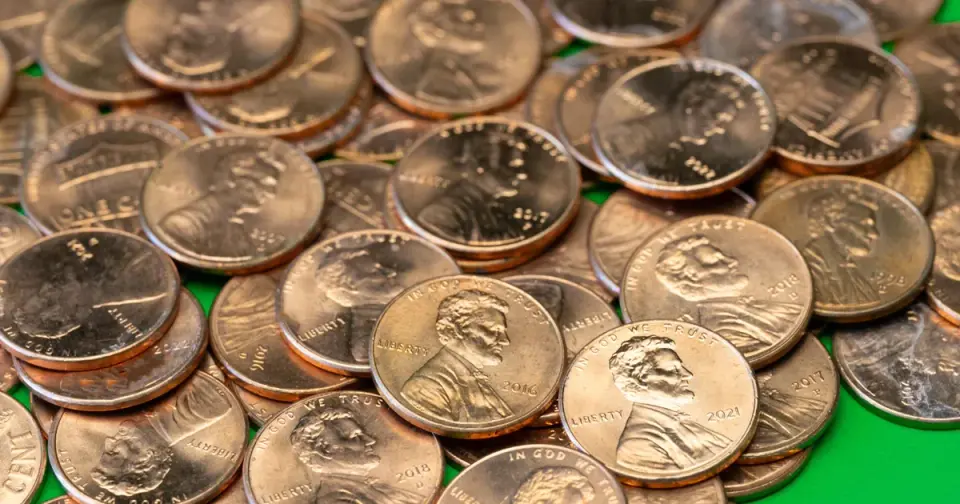
President Trump signed the Common Cents Act on November 20, 2026, formally ending the production of the one-cent coin for general circulation. The law mandates that cash transactions be rounded to the nearest five cents, providing legal protection for retailers who previously faced lawsuits for failing to provide exact change. Additionally, the legislation authorizes the Treasury to explore replacing copper with zinc in nickels to reduce production costs, which currently exceed the coin's face value.
Key points
- The Common Cents Act was signed into law on November 20, 2026, after passing both chambers of Congress.
- The law requires cash transactions to be rounded up or down to the nearest five cents, eliminating the need for exact change.
- Retailers and business advocacy groups, including NACS and Kwik Trip, welcomed the law as it removes legal liability for rounding errors.
- The legislation permits the Treasury to test zinc as a substitute for copper in nickels to lower manufacturing costs.
- The final circulating pennies were sold at auction in December 2025 for a total of $16.76 million, highlighting their collector value.
Background
The Common Cents Act had cleared Congress in October 2026, awaiting presidential signature. Prior to this, the penny had ceased circulation in late 2025, leaving businesses without clear federal guidance on cash handling. The bill addresses the long-standing issue of nickel production costs, which have exceeded face value for 20 consecutive years, with the 2025 unit cost recorded at 13 cents.
How outlets are covering it
CBS News and Punchbowl News emphasized the legal clarity and protection for retailers provided by the rounding rules, noting that businesses previously faced litigation risks. Mining.com.au focused on the potential shift in nickel composition from copper to zinc to address high production costs. Yahoo Finance highlighted the collector market impact, noting that the final pennies sold for over $16 million, while also detailing tax implications for selling rare coins. All sources agree on the bill's passage and signing, but differ in emphasis: CBS and Punchbowl focus on consumer/retail impact, Mining.com.au on industrial/materials policy, and Yahoo Finance on investment/tax implications.
Why it matters
The law resolves a decade-long debate over the penny's future, providing a clear framework for cash transactions in the post-penny era. It also addresses the fiscal inefficiency of nickel production, potentially saving taxpayers money by reducing the cost per coin. For businesses, it eliminates legal risk associated with rounding cash transactions, while for collectors, it marks the definitive end of an era for the one-cent coin.
What to watch
The Treasury is expected to begin testing zinc-based nickels to determine if they meet cost and machine compatibility standards. Retailers will implement the new rounding rules, and the collector market may see increased interest in rare pennies as the circulating supply ends. The legislation also sets the stage for further discussions on other coin compositions and production costs.
- Trump signs Common Cents Act into law CBS News
- Vault: The penny says bye, bye, bye Punchbowl News
- US coin bill would allow zinc to replace copper in nickels Mining.com.au
- The Last Pennies Ever Minted Sold for $16.76 Million. Here Are the Dates in Your Coin Jar Worth More Than One Cent Yahoo Finance
- Penny’s End Made Official in Cash Rounding Law Signed by Trump news.bloombergtax.com
Want the full story? Read the original reporting
Read on CBS News