
US Job Openings Hit Spring Lows as Hiring and Layoffs Remain Stagnant
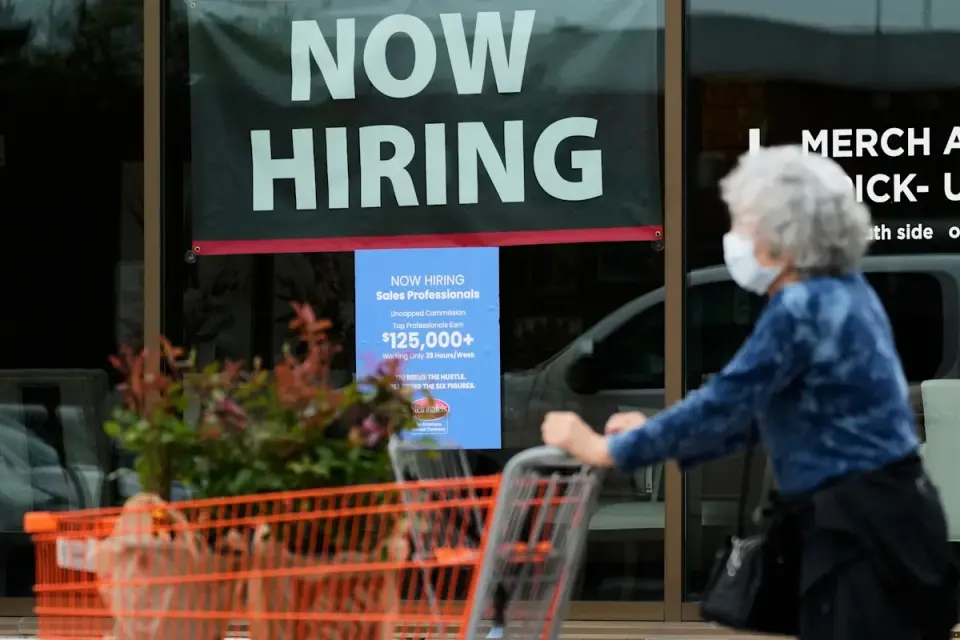
US job openings have fallen to their lowest level since spring, while hiring and layoffs remain stagnant. This 'low hire, low fire' dynamic indicates a labor market that is neither expanding nor contracting rapidly, with businesses maintaining cautious staffing levels.
Key points
- Job openings have declined to the lowest point since the spring, signaling a reduction in employer demand.
- Hiring rates remain low, while layoffs are also minimal, creating a 'low hire, low fire' market.
- The labor market is characterized by stagnation rather than growth or contraction, with businesses maintaining current staffing levels.
- This trend follows a period of steady but anemic hiring and few layoffs in previous months.
Background
Recent data from July 2026 showed job openings stabilizing at approximately 7.3 million, with hiring and total separations near 5.1 million. Layoffs were around 1.7 million, and the layoff rate was approximately 1.1%. The labor market had been described as near-stalled, with anemic hiring and few layoffs, suggesting workers and employers were hesitant to make changes. Earlier reports also noted growing job-seeker distrust due to AI-driven recruitment and 'ghost jobs,' which may contribute to the current stagnation.
How outlets are covering it
Yahoo Finance emphasizes the 'low hire, low fire' nature of the market, highlighting the lack of movement in both hiring and layoffs. AP News focuses on the decline in job openings to the lowest level since spring, indicating a drop in employer demand. Both sources agree on the stagnation but differ in emphasis: Yahoo Finance stresses the balance between hiring and firing, while AP News highlights the historical low in openings.
Why it matters
The stagnation in the labor market suggests economic uncertainty, with businesses hesitant to expand or cut staff. This could lead to prolonged job insecurity for workers and slow economic growth. The 'low hire, low fire' dynamic may indicate a cautious approach by employers, potentially affecting wage growth and consumer spending.
What to watch
Future JOLTS data will be crucial to determine if the trend of low job openings and stagnant hiring continues. Analysts will watch for any shifts in layoffs or hiring rates that could signal a change in the labor market's direction. The impact of AI in recruitment and job-seeker trust may also influence future hiring trends.
- Job openings and hiring hold steady as 'low hire, low fire' market drags on Yahoo Finance
- US job openings fall in August; layoffs remain low Yahoo Finance
- Low-hire, low-fire US labour market is no worry for Fed rate-setters Financial Times
- U.S. job openings slipped to 7.1 million in August but labor market remains sturdy apnews.com
- Job openings are low and hiring is weak. Why the U.S. labor market won’t get better soon. marketwatch.com
Want the full story? Read the original reporting
Read on Yahoo Finance