
US Shipbuilding Needs Realistic 5% Target, Not Maritime Dominance
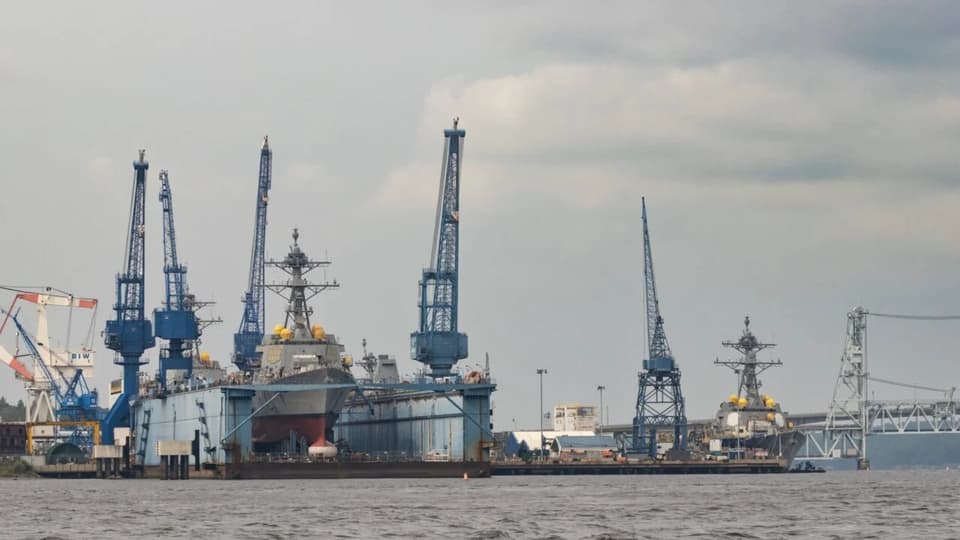
The US cannot match China’s shipbuilding scale, but can restore a 5% global market share through targeted subsidies to secure naval readiness.
Key points
- The US holds only 0.1% of global commercial shipbuilding, while China controls over 50%, with Japan and South Korea holding much of the rest.
- China’s dominance allows it to cross-subsidize military vessel production with commercial profits, creating economies of scale the US lacks.
- The US previously maintained a 5% market share through construction-differential subsidies, which were repealed in 1981, leading to rapid capacity decline.
- Building a 3,600 TEU containership in the US costs approximately $330 million, compared to $60 million in China, a gap requiring $270 million in subsidies per vessel to close.
- Restoring commercial shipbuilding is essential for national security, as it ensures shipyards remain competitive, innovative, and capable of scaling production during emergencies.
Background
This debate follows earlier discussions on US-China industrial competition and the strategic importance of maritime trade, where 80% of global trade moves by sea and 69% of US trade by volume moves via waterways.
Why it matters
Without a viable commercial shipbuilding base, the US relies on non-competitive defense monopolies that inflate costs and hinder innovation, threatening its ability to sustain a global navy and protect its maritime trade.
What to watch
The US must decide whether to restore construction-differential subsidies to cover up to 50% of the cost differential for domestic shipbuilding, despite the high upfront expense and deficit concerns.
Want the full story? Read the original reporting
Read on The National Interest