
USPS Narrows Losses but Warns of Imminent Service Cuts Without Congressional Action
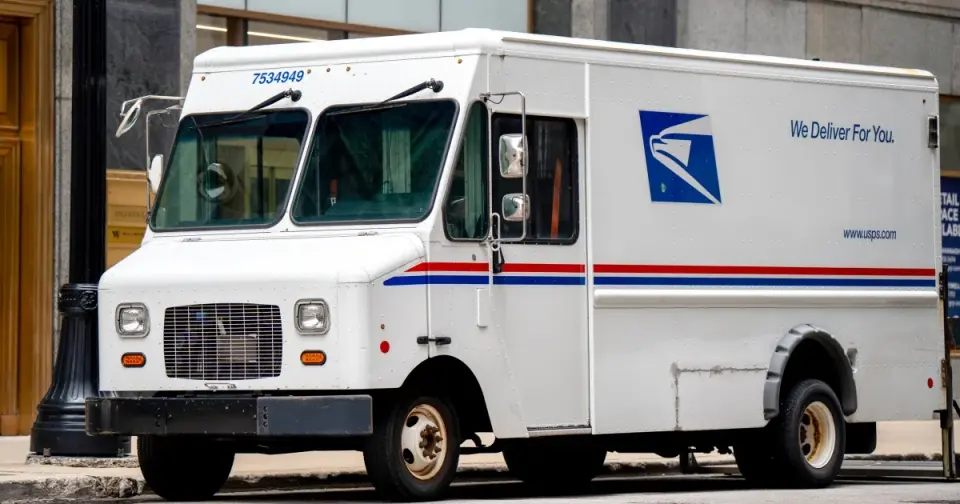
The U.S. Postal Service reported a $2.5 billion net loss for the third quarter of fiscal year 2026, a reduction of nearly $600 million compared to the same period last year. Despite this improvement, Postmaster General David Steiner warned that without legislative intervention, the agency will be forced to close thousands of unprofitable post offices and reduce service levels. Steiner cited a severe liquidity crisis, noting that the agency is currently borrowing from employee retirement funds to maintain operations. He urged Congress to approve a stamp price hike in January rather than waiting until 2027 and to address costly mandates, such as adding new ZIP codes, which could cost an additional $800 million.
Key points
- USPS net loss decreased to $2.5 billion in Q3 FY2026, down from $3.1 billion a year ago.
- Total operating revenue reached $19.9 billion, driven by a new parcel surcharge and higher stamp prices.
- Steiner warned that without congressional action, USPS will cut service levels and close thousands of offices.
- The agency is currently borrowing from employee retirement funds to cover operational costs.
- Steiner criticized the Postal Regulatory Commission for limiting price increases to once a year, costing $700 million in revenue.
Background
This financial strain follows a period of significant political and operational turmoil for the Postal Service. In early 2026, USPS faced legal battles regarding mail-in ballot restrictions, with federal courts halting plans that aligned with presidential directives to limit voting access. These legal disputes occurred alongside broader financial instability, including a recent incident in South Florida where a USPS worker was charged with stealing a lottery ticket, highlighting ongoing internal compliance challenges. The current fiscal crisis is part of a longer trend, with USPS reporting cumulative net losses exceeding $120 billion since 2007 due to declining first-class mail volumes and rising operational costs.
How outlets are covering it
While all sources agree on the $2.5 billion loss figure, they emphasize different aspects of the crisis. NBC News and the official USPS release focus on the immediate liquidity crisis and Steiner’s plea for congressional relief, highlighting the suspension of employer pension payments to conserve cash. FreightWaves provides a more detailed breakdown of the revenue drivers, noting that an 8% parcel surcharge and stamp price hikes offset volume declines, and highlights Steiner’s criticism of regulatory limits on pricing frequency. FEDweek offers a structural analysis, detailing four potential operational scenarios modeled by the Office of the Inspector General, ranging from full taxpayer subsidies to a drastic reduction in delivery days and workforce restructuring. FEDweek notes that while the financial paths are mapped, the specific impacts on employee work conditions remain uncertain, whereas NBC and USPS focus more on the high-level political and financial implications.
Why it matters
The Postal Service’s financial trajectory directly impacts the cost and reliability of mail and package delivery for millions of Americans. If Congress does not intervene, the agency may be forced to reduce delivery frequency from six to four or five days a week and close thousands of local post offices, particularly in rural and low-income areas. Furthermore, the reliance on borrowing from employee retirement funds raises concerns about the long-term stability of the agency’s workforce and pension obligations. The outcome of these legislative debates will determine whether USPS remains a self-sustaining entity or shifts to a publicly subsidized model, with significant implications for federal budgets and consumer services.
What to watch
USPS is seeking approval for a stamp price increase in January 2026, ahead of the scheduled July 2027 adjustment. The agency has also requested legislative relief to address unfunded mandates and to allow for more frequent price adjustments. Steiner has indicated that without these changes, the agency will begin making 'hard decisions' about service prioritization after August 2027. Congress is expected to debate the scope of any potential subsidies or structural reforms, with the Postal Regulatory Commission’s pricing rules likely to be a central point of contention.
- U.S. Postal Service reports $2.5 billion quarterly loss NBC News
- Four Operational Paths for USPS and What That Could Mean for Postal Employees FEDweek
- USPS reports third-quarter financial results USPS
- New parcel surcharge helps Postal Service reach $20B in revenue FreightWaves
- USPS to Seek Money From Congress to Boost Strained Finances (1) Bloomberg Government News
Want the full story? Read the original reporting
Read on NBC News