
Affordable housing units sit empty while the poorest Americans remain homeless
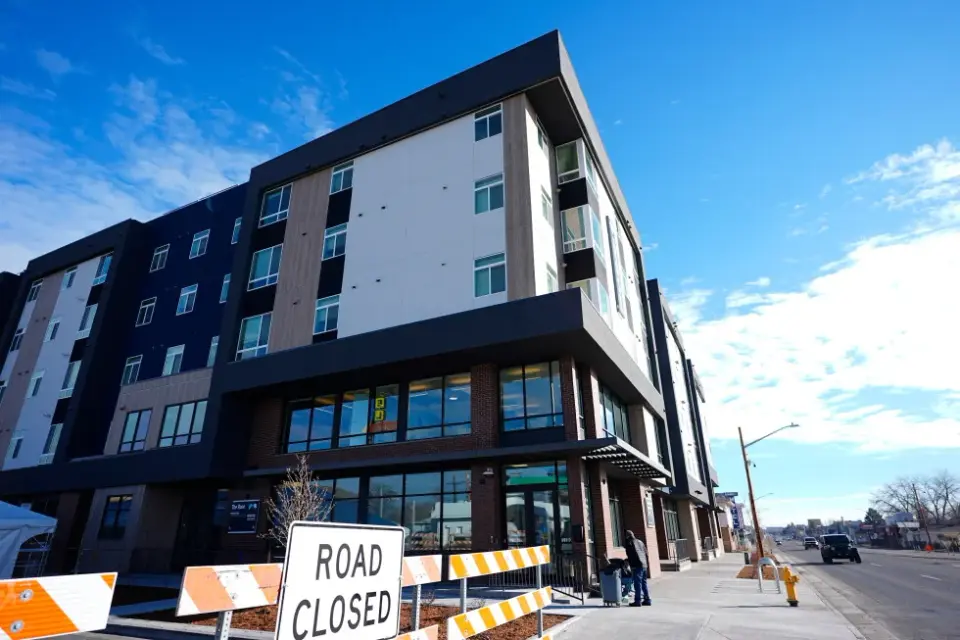
A structural mismatch in U.S. housing policy leaves thousands of subsidized units vacant in major cities while extremely low-income families face years-long waitlists for vouchers and lack access to affordable homes.
Key points
- In Austin, Denver, and Portland, vacancy rates for affordable units targeting 60% of area median income (AMI) range from 13% to 21%, far exceeding the healthy 5% benchmark.
- Only one in four eligible families receives housing vouchers, and waitlists often span years, leaving the poorest without access to market-rate or subsidized housing.
- Developers report that units for 30% AMI households are financially unviable without massive subsidies, as rent income barely covers mortgage and operating costs.
- Applicants for affordable housing face burdensome income verification processes, while market-rate apartments offer faster approvals, causing some low-income renters to pay more to avoid bureaucratic hurdles.
- Austin aimed to build 20,000 units for the poorest by 2027 but had only completed 543 as of 2024, despite finishing all 15,000 units for higher-income brackets.
Background
This issue follows earlier reports in September 2026 highlighting rising vacancies in LIHTC-funded homes and the persistent gap between available affordable units and the needs of the poorest Americans. It also aligns with broader 2026 trends showing that even six-figure incomes are required to afford median-priced homes, exacerbating housing insecurity for lower-income groups.
Why it matters
The disconnect between vacant subsidized housing and unmet demand for the poorest reveals a critical policy failure, leaving vulnerable populations homeless or overpaying for market-rate units while public funds remain underutilized.
What to watch
City officials, such as Austin’s housing department, are adjusting funding priorities to favor proposals including 30% AMI units, but systemic changes to voucher availability and developer incentives remain uncertain.
Want the full story? Read the original reporting
Read on AP News