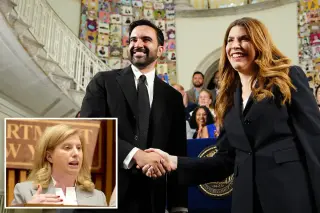
New York City Mayor Zohran Mamdani blindsided City Council Speaker Julie Menin by cutting 580 promised NYPD officers from the city’s $125.8 billion budget, prompting a rushed, opaque budget approval and leaving lawmakers and New Yorkers unsure of what the final package contains as the police force faces shortages during a busy summer workload.
Mayor Mamdani and the City Council clinched a $126 billion budget deal that expands rental assistance via a new CityFHEPS-administered program with $175 million planned next year and $125 million the following year (the rental program could cost about $2 billion next year). The deal also cancels a planned 580-officer expansion, keeping NYPD headcount at 35,000, and expands the Fair Fares program to 200% of the federal poverty level (roughly 340,000 more New Yorkers eligible, 1.3 million total) without a universal free-fares plan. Additional measures include sheltering vulnerable residents, settling a housing-vouchers lawsuit, and relying on state aid and pension deferrals to close the city’s deficit.
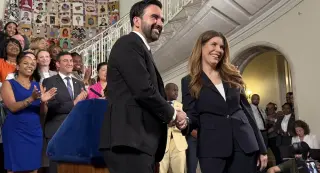
Mayor Zohran Mamdani and City Council Speaker Julie Menin reached a last-minute handshake on NYC’s nearly $126 billion budget for the 2027 fiscal year, preserving current NYPD staffing levels while adding a new $175 million housing-voucher expansion run by the HPD to aid eviction-affected residents and shelter clients not covered by existing programs. The pact includes dropping a lawsuit related to previously approved reforms, moves spending toward education and social services, and was reached just before the July 1 deadline amid protests over police staffing, tax- and revenue-based funding debates, and calls to close a multibillion-dollar budget gap.
After being closed for nearly 15 years, New York City's waiting list for Section 8 housing vouchers has reopened, offering a crucial opportunity for families struggling with high rent. The list, which had over 128,000 families in 2009, now has 3,700 households. Despite the reopening, finding apartments that accept vouchers remains challenging due to a severe housing shortage and landlord reluctance.
A year after the tragic shooting in Half Moon Bay, California, survivors are still facing uncertainty as their housing vouchers expire. Many are dealing with trauma, job insecurity, and a lack of permanent housing. While efforts are being made to support farmworkers, survivors feel like they're in temporary housing limbo and worry about where they'll end up. Advocates are calling for long-term solutions and proactive measures to improve the working and living conditions of migrant farmworkers.
Over 3,100 housing vouchers in Washington D.C. are sitting unused due to bureaucratic delays, despite ongoing reforms. The average wait time from voucher approval to moving into an apartment is over four months, with some applicants waiting even longer. These delays have put eligible residents at a disadvantage, costing them potential housing and, in extreme cases, leading to deaths among homeless individuals. The D.C. Council has funded over 5,000 vouchers since October 2021, but less than 40% have been used. The District has spent nearly $385 million on voucher programs, but not a single person has been housed using the additional vouchers approved for fiscal year 2023.
New York City will allow low-income residents with city-issued housing vouchers to rent apartments outside the five boroughs, such as Buffalo or Binghamton, in an effort to reduce homelessness. The city will cover the rent for families and individuals with CityFHEPS housing subsidies, providing more affordable housing options in areas where prices are lower. The move comes as the city's homeless shelter population continues to rise, driven by newly arriving migrants, and as median rents reach new highs. The CityFHEPS program, which covers the bulk of the rent for voucher holders, will now allow recipients to search for housing anywhere in the state, expanding their options and potentially helping them move out of shelters.
The Department of Housing and Urban Development (HUD) is increasing aid for low-income families to help them keep up with rising rents. HUD is implementing an average 12% increase in fair market rents for fiscal year 2024, allowing beneficiaries of housing vouchers to afford rentals in more competitive markets. Additionally, HUD will release $113 million in housing choice voucher funds to assist around 9,500 households. The increase in aid aims to address the decline in voucher usage due to insufficient fair market rents. The national average rent has risen by about 5.45% in the past year, but there are signs of softening in some markets. This move comes as President Joe Biden faces low approval ratings for his handling of the economy.
Jessica Katz, the chief housing officer of New York City, has announced her resignation, dealing another setback to Mayor Eric Adams' efforts to address the city's housing crisis. Katz, who was responsible for the mayor's housing plan, said she had accomplished much of what she had set out to do and needed time off to spend with her children. However, sources suggest that confusion among city employees about who was in charge of dealing with the city's mounting housing problems and the mayor's opposition to legislation that could increase the number of people who can access city-funded housing vouchers may have played a role in her decision. The city is struggling to deal with a homelessness crisis, with almost 600,000 households spending more than half of their income on rent, and more than 78,000 people in the city's main shelter system as of early May.