
Brent Crude Surges to $114.72 as Iran Threatens Gulf Infrastructure Ahead of US Midterms
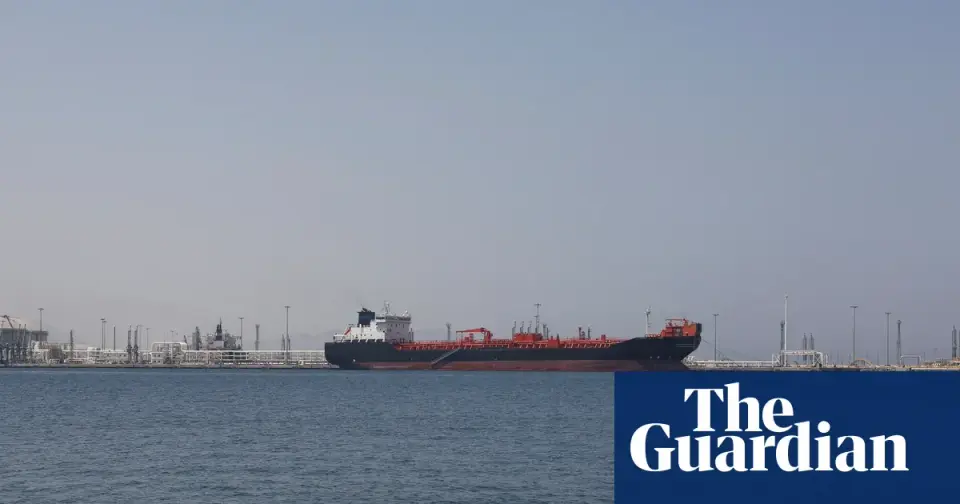
Brent crude reached $114.72 per barrel on Friday, its highest level since May, driven by fears of renewed US strikes on Iran after the November 3 midterm elections. Tehran threatened to target Gulf oil facilities, undersea cables, and data centers if attacked. Simultaneously, Houthi rebels intensified strikes on Saudi Arabia, forcing Aramco staff to evacuate Dhahran, while Iran claimed four ships were hit in the Strait of Hormuz.
Key points
- Brent crude rose 1% to $114.72, marking a five-month high, while US WTI crude climbed 1.7% to $101.11.
- Iran’s Islamic Revolutionary Guards Corps stated it would strike oil, cable, and AI infrastructure in the Gulf if the US or Israel launches a new attack.
- The US State Department ordered non-emergency diplomats and families to leave Saudi Arabia due to escalating Houthi attacks on the kingdom.
- Saudi Aramco instructed staff to evacuate its Dhahran headquarters and work remotely following recent Houthi strikes on airports and offices.
- Iran’s military chief claimed the country is prepared for 'asymmetric warfare' after strengthening its capabilities.
Background
Oil prices have been volatile since the Iran war began in February 2026, when Brent traded at $72. Prices spiked to $126 by late April before easing in September following diplomatic talks at the UN. However, tensions resurfaced in late September after US forces destroyed five Iranian tankers, pushing Brent near $100. The current surge follows a week of heightened geopolitical risk, including a deadly Houthi strike on a Dammam airport and Trump’s assertion that action against Iran will occur 'fairly soon.'
How outlets are covering it
The Guardian and CNBC both report the price surge but emphasize different drivers. The Guardian focuses on the threat of US strikes post-midterms and Iran’s specific threats to digital and energy infrastructure. CNBC highlights the divergence between Brent and WTI, noting WTI is on track for a weekly decline despite the daily rise. CNBC also details Trump’s accusation that Iran is fabricating ship attacks to manipulate oil prices before the election, a point not mentioned in the Guardian report. Both sources agree on the Houthi escalation in Saudi Arabia but differ in the level of detail regarding Aramco’s evacuation orders.
Why it matters
Sustained high oil prices could increase inflationary pressure and consumer costs ahead of the US midterm elections. The threat to undersea cables and data centers introduces new risks to global digital infrastructure, potentially affecting AI and tech sectors. Continued Houthi attacks on Saudi Arabia threaten the stability of a key US ally and major oil producer, while the Strait of Hormuz remains a critical chokepoint for global energy supply.
What to watch
Markets will monitor the outcome of the US midterm elections on November 3 for signals on US foreign policy. Investors will watch for any confirmed US or Israeli strikes on Iran, which could trigger the threatened Iranian retaliation against Gulf infrastructure. The situation in the Strait of Hormuz and the frequency of Houthi attacks on Saudi Arabia will also determine whether oil prices continue to rise or stabilize.
- Oil hits five-month high amid fears US will renew strikes on Iran The Guardian
- U.S. oil rises above $100, Brent at five-month high as Iran says it’s prepared for warfare CNBC
- Brent crude hits more than five-month high on concern over Middle East escalation Reuters
- Stock Market Today: Nasdaq Futures Steady After Selloff; Oil Prices Hit 5-Month High — Live Updates WSJ
- Oil prices approach Iran-war highs as soaring tanker rates trigger a second energy squeeze MarketWatch
Want the full story? Read the original reporting
Read on The Guardian