
Brent Crude Nears $97 as US-Iran Strikes and Saudi Refinery Hit Fuel Price Surge
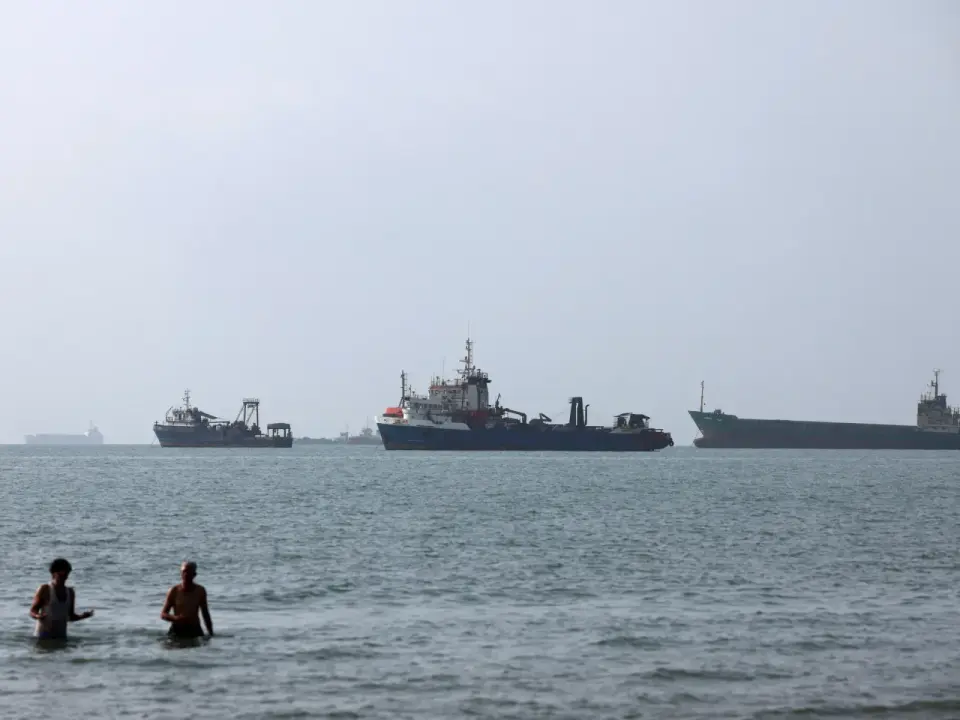
Brent crude futures reached approximately $97 per barrel on Monday, marking a near six-week high and a 19 percent monthly increase, driven by intensified military strikes between the United States and Iran in the Strait of Hormuz. The conflict has reduced shipping traffic through the chokepoint to an average of 10 vessels daily, while Saudi Aramco’s Jizan facilities suffered a second attack in a month. US gasoline prices rose to $4.15 per gallon, up 39 percent since the war began in February, with diesel hitting record highs above $5.90. US households have spent an additional $418.82 on fuel compared to normal levels, impacting voter sentiment ahead of midterm elections. China is mitigating the impact by drawing on strategic reserves, increasing Russian imports, and accelerating the shift to electric vehicles.
Key points
- Brent oil futures hovered around $97 a barrel, up 9 percent in five days and 19 percent in a month, approaching the July 24 peak of $97.93.
- US West Texas Intermediate crude rose to $92.27, also nearing a six-week high, as strikes escalated in the Strait of Hormuz.
- The US struck three Iranian oil tankers on Saturday, while Iran’s IRGC claimed strikes on three tankers and three US-linked vessels.
- Saudi Aramco’s Jizan facilities were attacked for the second time in a month, potentially delaying production returns, according to the Financial Times.
- Average daily traffic in the Strait of Hormuz dropped to 10 commodity ships over the last 10 days, per Kpler data.
- US gasoline prices reached $4.15 per gallon, up 7 cents in a week and 39 percent since the conflict began in February.
Background
The current surge follows a volatile period since the US and Israel first struck Iran on February 28, 2026. A brief pause in strikes in late July allowed for diplomatic talks, but tensions resurged in early September with new US strikes on Iranian air-defense and communications sites. Oil prices had fluctuated between $82 and $94 per barrel in the intervening months, with gasoline prices consistently above $4.00 per gallon in the US. The recent escalation marks a significant intensification of the conflict, with direct attacks on major oil infrastructure like Saudi Aramco facilities and a sharp reduction in maritime traffic through the Strait of Hormuz.
Why it matters
The surge in oil prices directly impacts global energy markets and consumer costs, with US gasoline and diesel prices reaching record levels. This economic strain is influencing US domestic politics, with voters showing dissatisfaction with the administration's handling of the economy ahead of midterm elections. The conflict also highlights the vulnerability of global supply chains, as the Strait of Hormuz handles roughly a fifth of the world’s oil supply. China’s strategic response, including reserve drawdowns and a shift to electric vehicles, demonstrates how major economies are adapting to prolonged geopolitical disruptions in energy supply.
What to watch
Analysts suggest that if the conflict continues, oil prices may reach an inflection point where market reactions to potential ceasefires diminish. The US government faces pressure to address rising fuel costs, which are affecting voter sentiment and economic stability. China is expected to continue diversifying its energy sources and accelerating its transition to clean energy to reduce dependence on imported oil. The situation in the Strait of Hormuz remains critical, with any further escalation likely to keep oil prices elevated and disrupt global shipping routes.
- Oil prices surge as US-Iran strikes intensify in Strait of Hormuz Al Jazeera
- Stocks in Asia Poised to Edge Down, Yen in Focus: Markets Wrap bloomberg.com
- Stocks dented by inflation risk from rising oil, dicey geopolitics Reuters
- Oil closes in on $100 as renewed supply crunch looms Financial Times
- Oil Higher on Hormuz Escalation, Weighing on Sentiment WSJ
Want the full story? Read the original reporting
Read on Al Jazeera