
Houthi Attacks on Red Sea Routes Compound Hormuz Crisis, Pushing Oil Trade to Wartime Lows
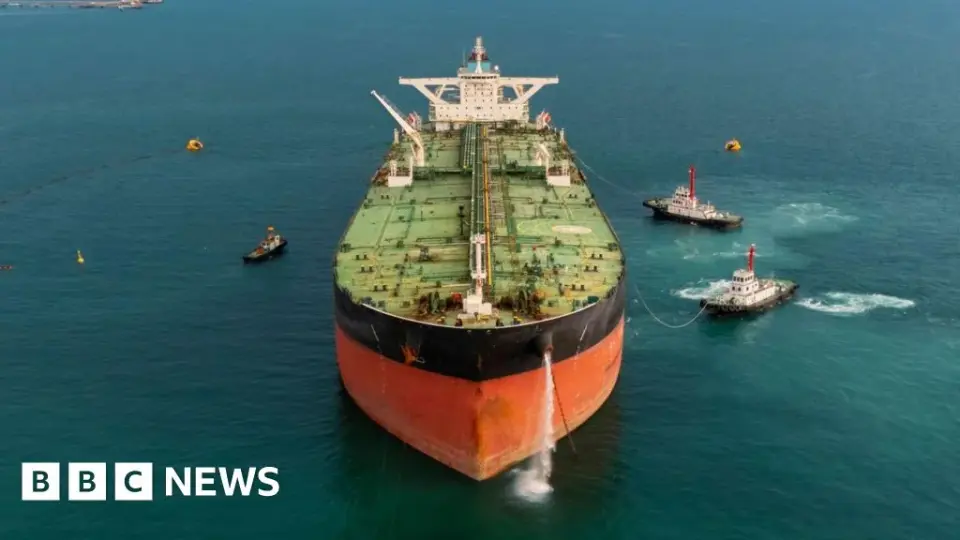
The threat to global oil shipping has reached its peak since the start of the Iran conflict, as attacks by Yemen’s Houthis on the Red Sea disrupt the primary alternative route for tankers avoiding the blocked Strait of Hormuz. While Hormuz traffic remains near zero, the new risk in the Red Sea has forced a 'problem stacked on a problem' scenario for the energy market, with Brent crude prices falling sharply after President Trump paused strikes on Iran pending negotiations.
Key points
- Traffic through the Strait of Hormuz has collapsed to just 8-11 vessels daily, down from over 100 pre-war, with many ships turning off transponders to avoid detection.
- Yemen’s Houthis declared a blockade on Saudi Red Sea ports on July 20, leading to recent attacks on tankers using this alternative route to bypass Hormuz.
- Kpler analyst Matthew Wright described the current situation as the worst period for crude trade since the crisis began, noting that the Red Sea disruption removes a key market balancing factor.
- Brent crude fell 4.4% to $84.05 per barrel after Trump announced he would cancel planned strikes on Iran, though Iran denies direct talks with the US are occurring.
- Restoring normal cargo flows would take three to four months even if Hormuz reopened, as shipping services have been suspended and vessels redeployed elsewhere.
Background
This escalation follows a volatile period since early 2026, including a brief June peace deal that briefly restored Hormuz traffic before renewed strikes in July. Previous incidents, such as the July 26 mine strike on a tanker and the diversion of the Greek-owned Kavomaleas into Iranian waters, highlighted the fragility of Gulf shipping. The current crisis extends the conflict’s impact beyond the Persian Gulf to the Red Sea, a route previously used by Saudi Arabia to maintain exports.
How outlets are covering it
BBC and Kpler emphasize the severity of the current threat, with Wright calling it the worst since the war began. The New York Times highlights the dual disruption of both Hormuz and Bab al-Mandeb straits. RBN Energy notes that while US exports have partially offset lost Persian Gulf flows, the market remains uncertain due to daily changes in conflict status. Breakwave Advisors focuses on long-term geographic adaptations, noting that Saudi Arabia and the UAE are expanding pipeline capacity to bypass Hormuz, but these projects face security risks from drone warfare and militia activity. While BBC focuses on immediate shipping risks, RBN and Breakwave provide broader context on structural shifts in global oil trade routes.
Why it matters
The simultaneous disruption of the Strait of Hormuz and the Red Sea alternative route threatens to sever critical oil supply lines to Asia and Europe. This 'stacked' risk has led to a sharp drop in tanker traffic, with crude exports to Asia falling to just four vessels daily, the lowest since the war began. The instability complicates global energy markets, forcing refiners in South Korea and India to cut runs, and raises the cost of insurance and shipping. Even if a peace deal is reached, the recovery of normal trade flows will be slow, potentially lasting months, due to the need to redeploy suspended services and vessels.
What to watch
Negotiations between Iran and Oman regarding the reopening of the Strait of Hormuz are ongoing, but Iran’s foreign ministry has stated no deal is imminent while US 'aggression' continues. Trump has paused strikes pending 'rapid' talks, but the situation remains fluid. Shipping companies like Hapag-Lloyd are monitoring developments closely and may adjust networks if circumstances change. The long-term impact will depend on whether Gulf producers successfully expand alternative pipeline routes, such as Saudi Arabia’s expansion to the Red Sea and the UAE’s second pipeline to Fujairah, which could reduce future vulnerability to Hormuz disruptions.
- Threat to oil tankers in Middle East worst since start of Iran war, analysts say BBC
- Go With The Flow – Major Changes Disrupting Global Crude Oil and Refined Product Flows RBN Energy
- Chevron chief on Iran war impacting energy markets: ‘The situation remains somewhat fragile and uncertain’ The Hill
- Shipping Risks Spread Across Crucial Middle East Oil Routes The New York Times
- Prisoners of Geography Breakwave Advisors
Want the full story? Read the original reporting
Read on BBC