
Crude flows recover in Hormuz, but diesel shortages and high costs persist
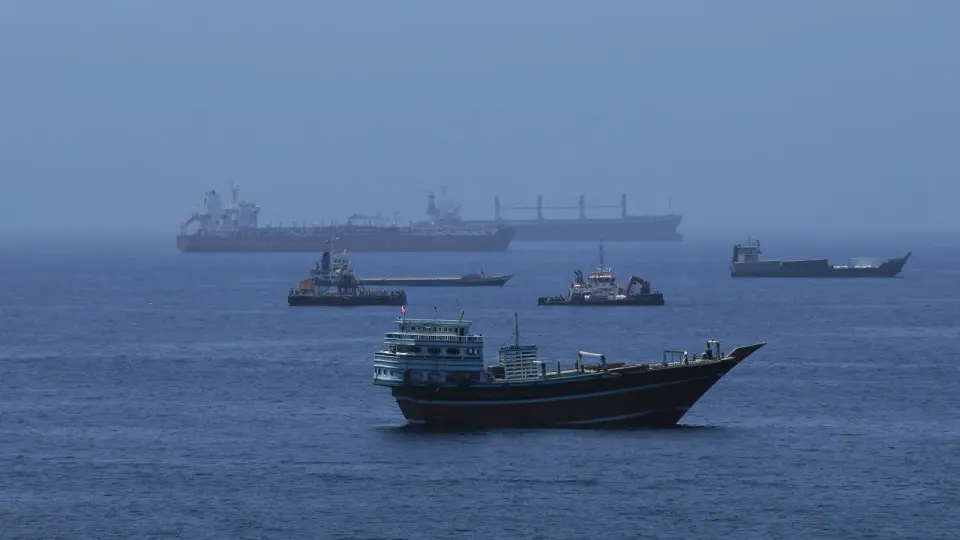
Crude oil exports through the Strait of Hormuz have returned to pre-war levels, but refined product supplies remain severely constrained. This imbalance has driven diesel prices to record highs, prompting US President Donald Trump to consider an export ban. While crude flows have recovered via alternative routes and military escorts, the underlying threat to shipping remains, and global inventories are shrinking.
Key points
- Crude exports through the Strait of Hormuz have hit a seven-day average of 13.5 million barrels per day, matching pre-war baselines, according to Goldman Sachs, JPMorgan, and Kpler.
- Refined product shipments remain far below average, with Kpler reporting only 677,000 barrels per day of refined products as of Monday, compared to 3.6 million before the conflict.
- US President Donald Trump is considering a ban on diesel exports to address record-high prices at the pump, which have reached all-time highs in the UK and exceeded $6 per gallon in the US.
- Alternative methods, including pipeline diversions and ship-to-ship transfers with transponders turned off, have helped restore crude flows, but the underlying threat to vessels remains high.
- Global oil inventories have tumbled by around 2 billion barrels during the Iran war, and JPMorgan analysts note that the market's ability to clear physical oil demand is now the key factor, not just the duration of the war.
Background
This situation follows the outbreak of the Iran war in February 2026, which led to US and Israeli strikes on Iran and subsequent attempts by Tehran to exert authority over the Strait of Hormuz. Prior to the conflict, the strait was a critical chokepoint for global oil supply. Recent archive coverage from September 2026 noted that gasoline prices were near record highs and diesel costs were climbing, with limited policy levers to ease supply. The current recovery in crude flows is a significant development from the initial disruption, but the continued constraint on refined products highlights the ongoing complexity of the supply chain.
How outlets are covering it
CNBC emphasizes the return of crude flows to pre-war levels but highlights the 'cost' in terms of record-high diesel prices and constrained refined product supply. The Guardian focuses on the specific mechanisms used to bypass the strait, such as pipeline diversions and ship-to-ship transfers, and notes the ongoing threat to vessels, including recent projectile attacks. CNN provides a broader analysis, arguing that Iran has lost considerable leverage in the strait but that the current situation is unsustainable due to shrinking inventories and high insurance costs. Yahoo Finance's title suggests a more nuanced view, indicating that while crude flows have recovered, the situation for diesel and gasoline is more complicated, reflecting the persistent constraints on refined products. All sources agree that the recovery in crude flows does not translate to a resolution of the underlying supply issues for refined products.
Why it matters
The continued constraint on refined products, particularly diesel, has significant implications for global economies, as it affects transportation, logistics, and industrial operations. Record-high diesel prices are driving up costs for businesses and consumers, potentially contributing to inflationary pressures. The US President's consideration of a diesel export ban underscores the severity of the situation and the potential for further policy interventions to manage domestic fuel prices. The ongoing threat to shipping and the high insurance costs also indicate that the risk premium for oil remains elevated, which could keep prices high even if crude flows continue to recover.
What to watch
Watch for any official announcement from the US government regarding a potential diesel export ban. Monitor the continued flow of refined products through the Strait of Hormuz and the effectiveness of alternative routes. Keep an eye on global oil inventories and any further developments in the Iran conflict that could impact the stability of the strait. The performance of the oil market in the coming weeks will be crucial in determining whether the current recovery in crude flows can translate to a more stable supply of refined products.
- CNBC Daily Open: Crude flows back at prewar levels, but at what cost? CNBC
- Oil Is Flowing From the Persian Gulf, but Prices Remain High. Why? The New York Times
- Crude oil exports from strait of Hormuz largely return to pre-war levels The Guardian
- Iran has lost considerable leverage in the Strait of Hormuz. It can’t go on like this forever CNN
- Persian Gulf crude oil flows have largely recovered. For diesel and gasoline, it's more complicated. Yahoo Finance
Want the full story? Read the original reporting
Read on CNBC